
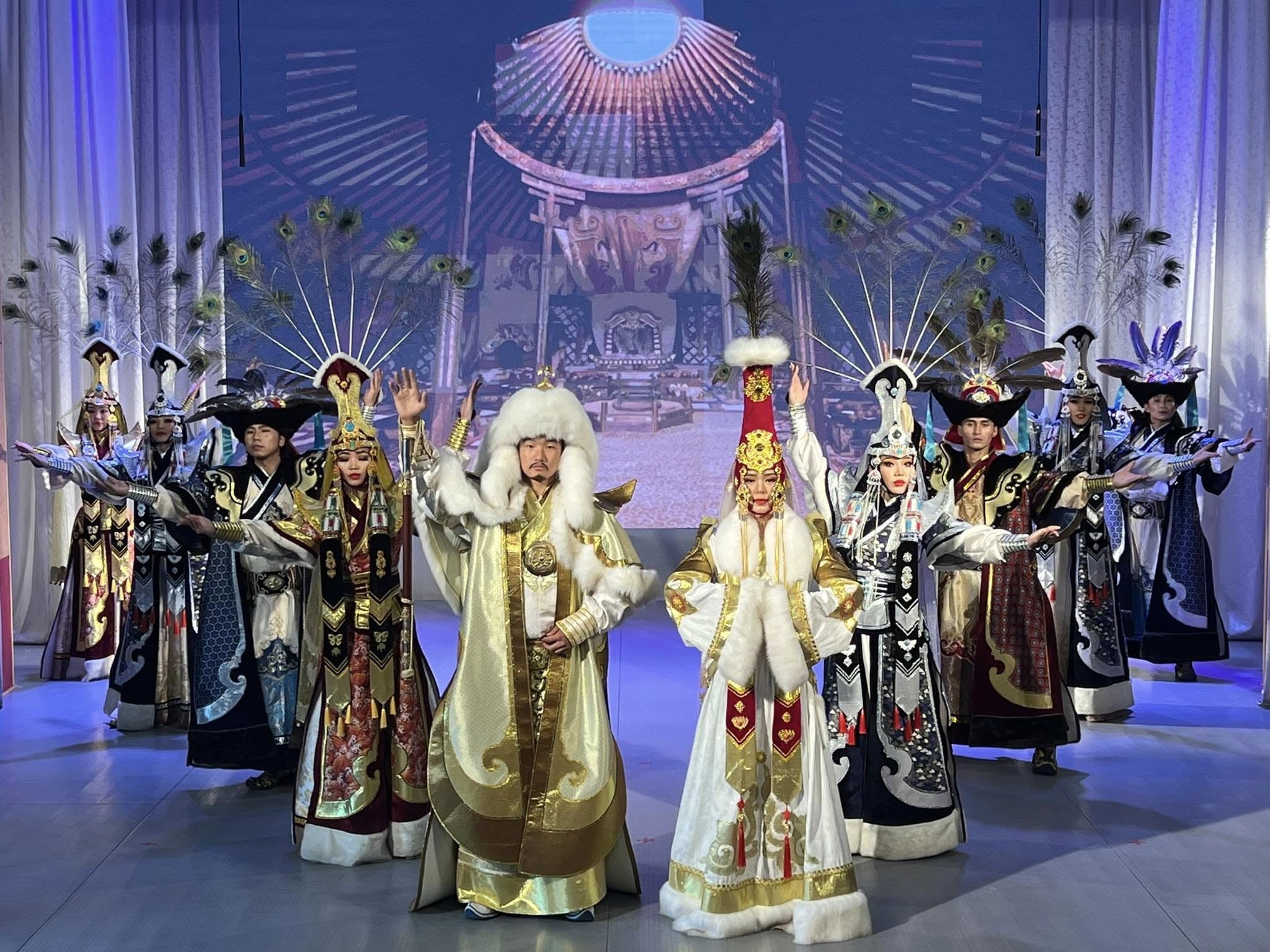
Discover Mongolian Traditional Arts
Immerse yourself in the rich cultural traditions of Mongolia with a live performance by Tsagaan Lavai National Folk Song and Dance Ensemble. Experience the country’s artistic heritage through music, dance, and traditional performing arts.
Morin Khuur, Khoomei & Long Song
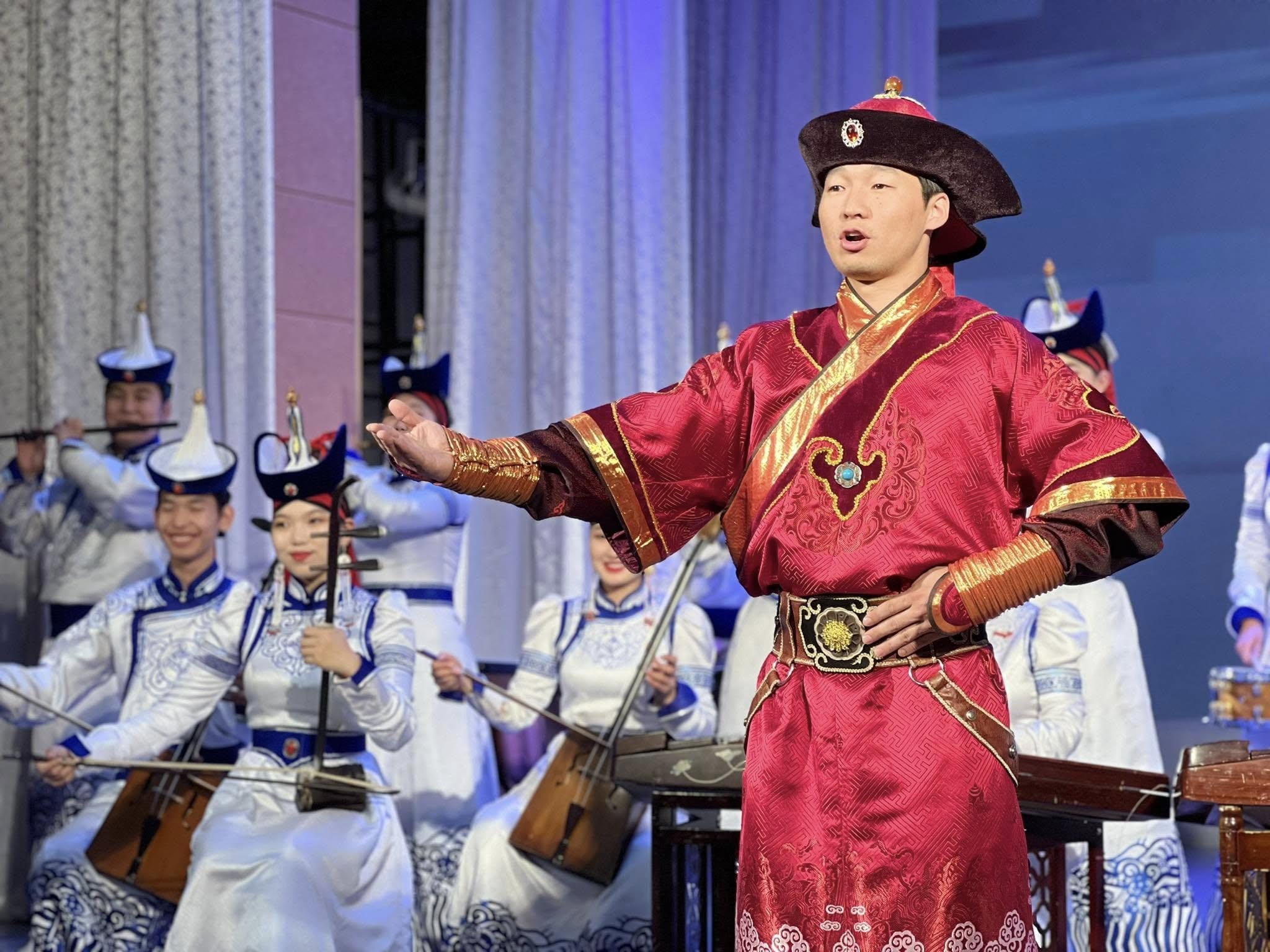
Experience the distinctive sounds of the Morin Khuur (Horsehead Fiddle), the unique vocal technique of Khoomei (Throat Singing), and the expressive melodies of Urtiin Duu (Long Song). Enjoy traditional folk songs reflecting Mongolia’s history, culture, and nomadic lifestyle.
Mongolian Dance & Biyelgee
Discover the beauty of traditional Mongolian dance, including Biyelgee, a unique folk dance that expresses the daily activities, customs, and lifestyle of nomadic communities through graceful and expressive movements.
Contortion & Tsam Dance
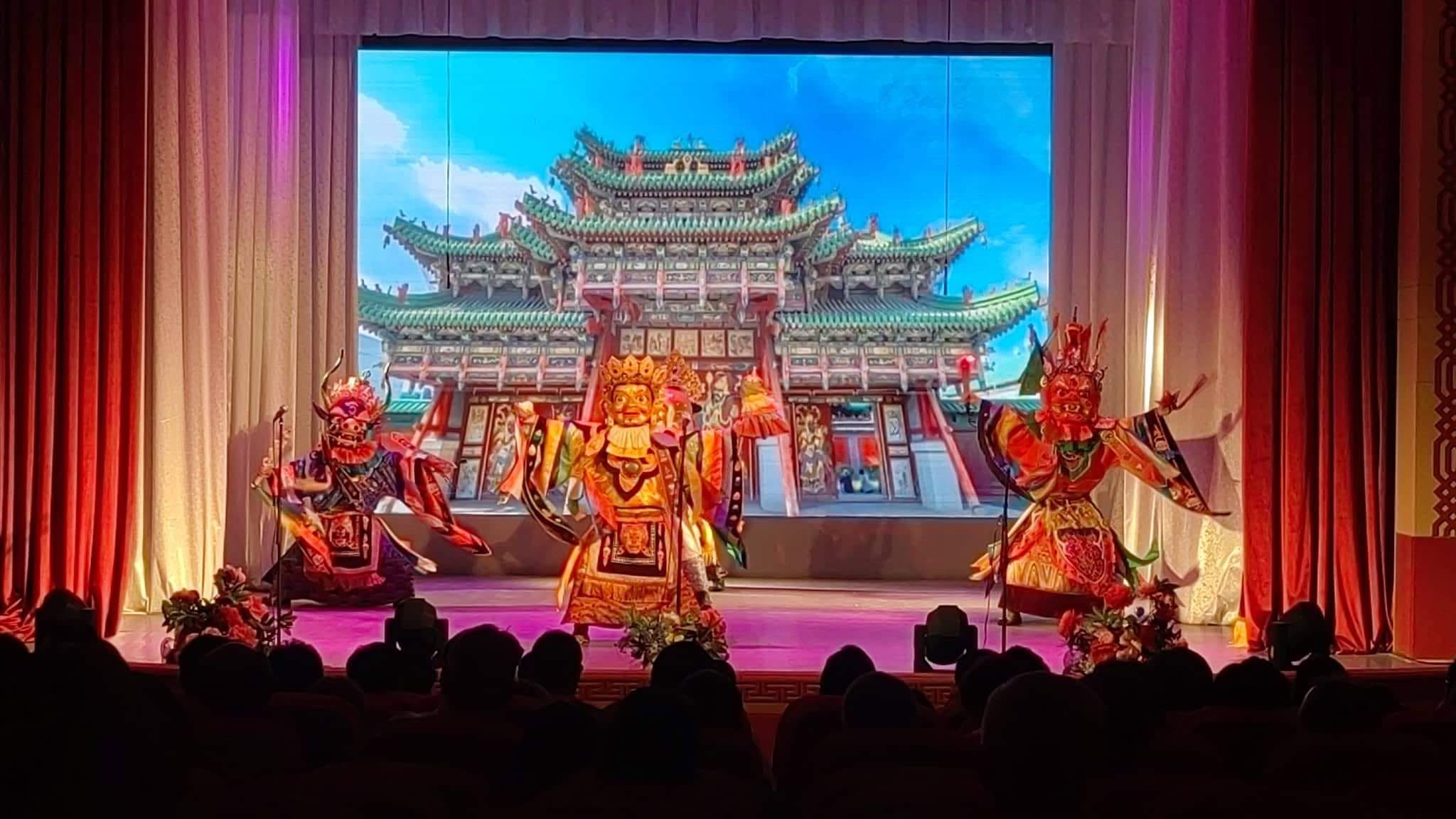
Be amazed by extraordinary Mongolian contortion performances showcasing exceptional flexibility and artistic skill. Discover the symbolic Tsam Dance, traditionally associated with Buddhist ceremonies and spiritual beliefs.
A Glimpse into Nomadic Civilization
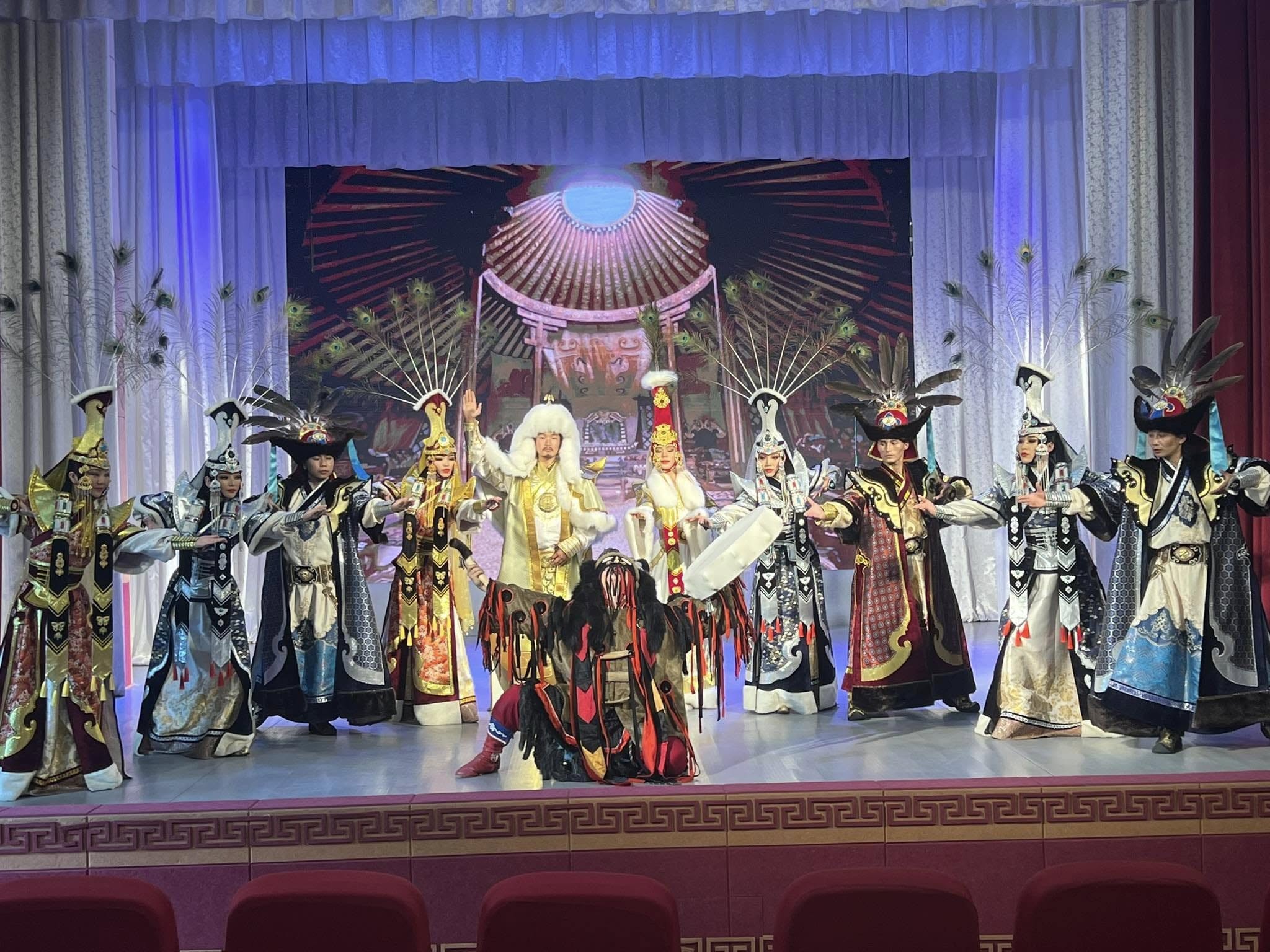
Explore different aspects of Mongolian civilization through traditional music, dance, and theatrical performances. Discover the nomadic way of life, the cultural significance of horses and livestock, ancient customs, spiritual traditions, and artistic heritage passed down through generations.
Reserve Your Cultural Experience
Book your ticket in advance to enjoy this memorable Mongolian cultural performance. Please provide a valid email address when booking, as your ticket will be sent to you by email. Arrive directly at the performance venue and present your ticket upon arrival.
Included
- ✓ Morin Khuur (Horsehead Fiddle) Performance
- ✓ Khoomei (Traditional Throat Singing) Performance
- ✓ Urtiin Duu (Mongolian Long Song) Performance
- ✓ Traditional Mongolian Folk Songs
- ✓ Traditional Mongolian Dance Performances
- ✓ Biyelgee (Mongolian Folk Dance)
- ✓ Tsam Dance Performance
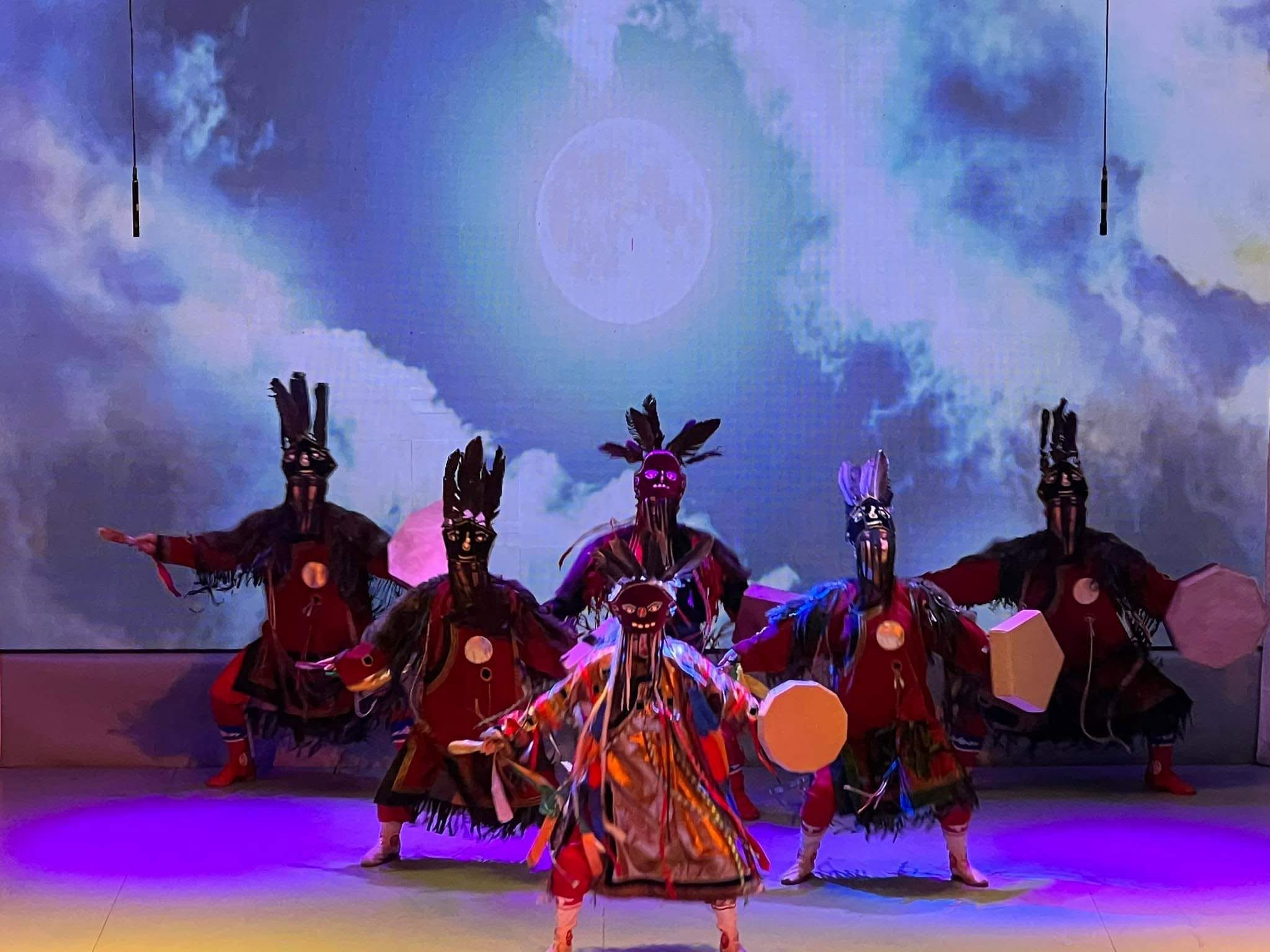
- ✓ Traditional Shamanic Dance Performance
Excluded
- ✕ Transportation to and from the performance venue
- ✕ Meals and beverages
Important Things to Know Before You Go
Cash
Some places may not accept card payments, so please bring a small amount of cash
FYI
Please arrive at the venue on time.
Must
Tickets will be sent by email. Please make sure to provide your email address when placing your booking.
FYI
Concert will start at 17:00 pm these specific days.
Places You Will Visit
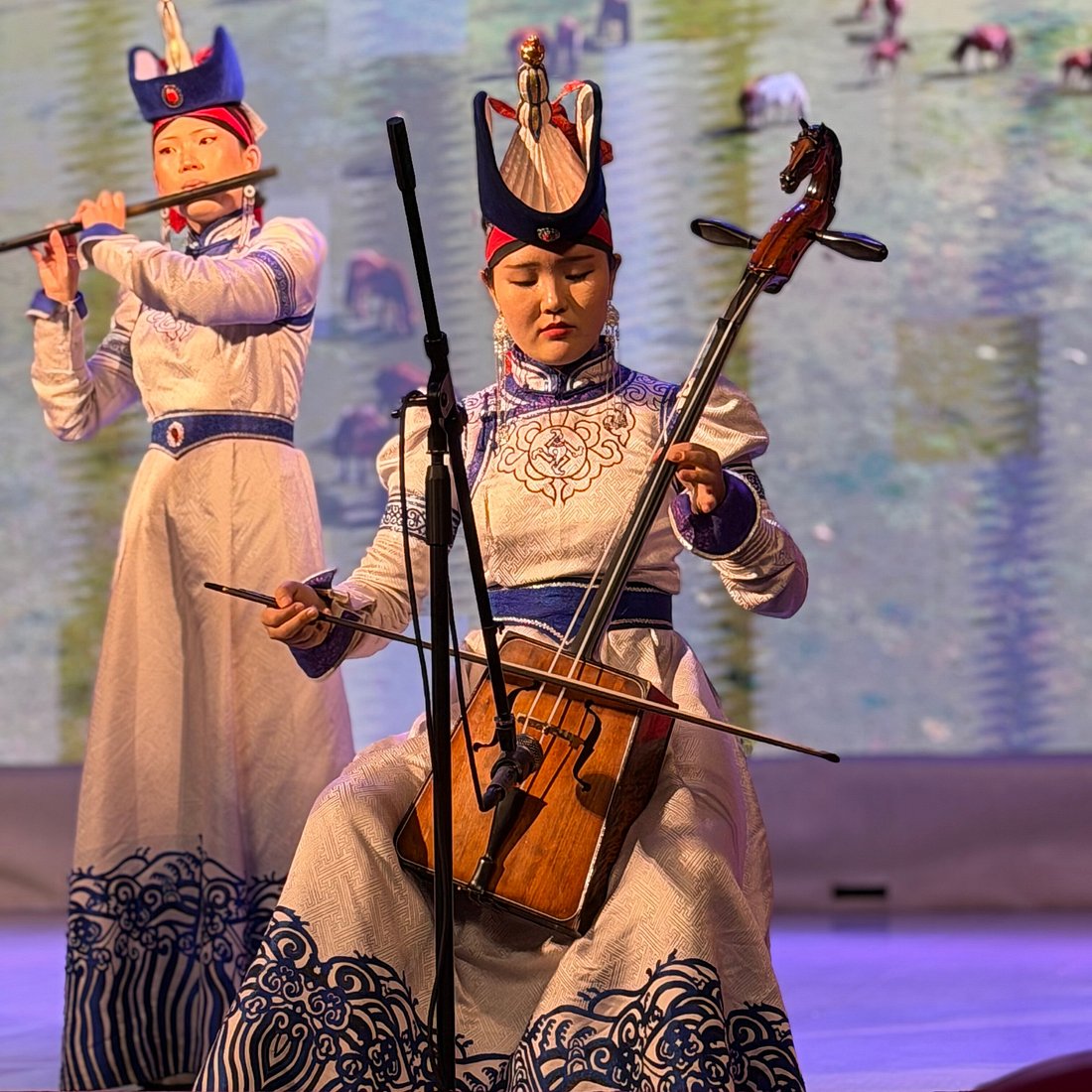
The Morin Khuur, also known as the Mongolian Horsehead Fiddle, is one of the most iconic traditional musical instruments of the Mongolian people. With a history dating back centuries, it is believed to have become widespread as early as the beginning of the 13th century.
During the reign of Genghis Khan, the Morin Khuur held a prestigious place in Mongolian society. It was traditionally played to open state ceremonies, official celebrations, and grand feasts, reflecting its cultural and ceremonial importance.
The instrument is easily recognized by its distinctive horse-head carving at the top of its neck, which symbolizes the deep connection between Mongolian culture and horses.
Its two strings are traditionally made from horsehair, as is the bow used to play it. Unlike most string instruments, the Morin Khuur produces sound by drawing a horsehair bow across horsehair strings. Its warm, resonant tone creates expressive melodies that evoke the vast landscapes, natural sounds, and nomadic spirit of Mongolia.
Today, the Morin Khuur remains a treasured symbol of Mongolian national identity and an essential part of the country’s traditional musical heritage.
Khoomei is a remarkable cultural heritage created by the nomadic people of Mongolia and a unique form of traditional musical expression. This rare and extraordinary art involves producing multiple tones and resonant sounds through controlled breathing and the coordination of the mouth, nose, throat, and chest cavity. By manipulating airflow and creating vibrations within the vocal tract, performers produce distinctive melodies, harmonies, and sounds that resemble the voices of nature.
In 2010, Mongolian Khoomei was inscribed on UNESCO’s Representative List of the Intangible Cultural Heritage of Humanity, recognizing its outstanding cultural significance and its importance as a living tradition of Mongolian nomadic heritage.
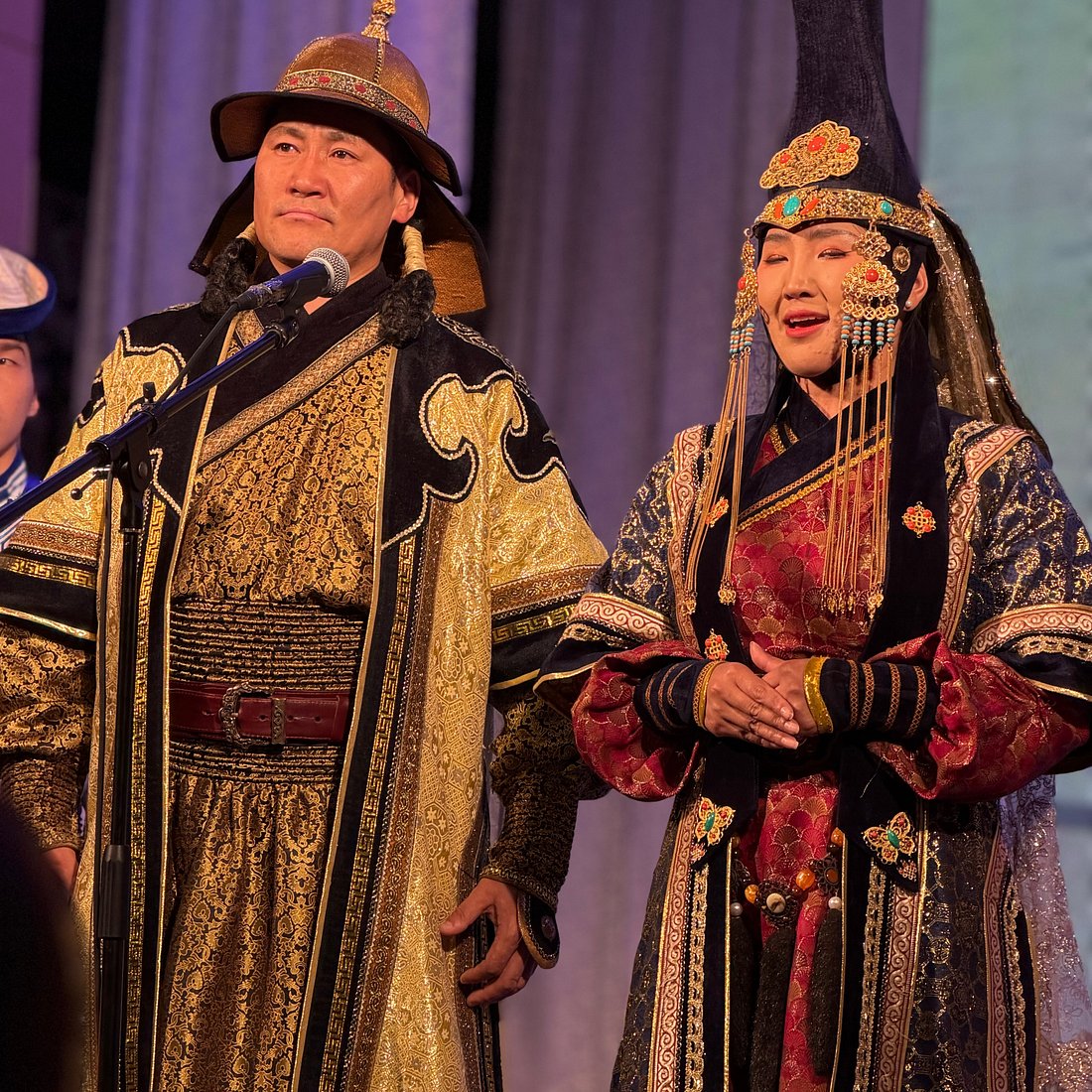
Urtiin Duu, or Mongolian Long Song, is believed to have originated more than 2,000 years ago, during the reign of Modu Chanyu (Modun Shanyu), ruler of the Xiongnu Empire. Its melodies and lyrics emerged naturally from the everyday lives, experiences, and emotions of the Mongolian people. Traditionally, there are no individually credited lyricists or composers, as the songs have been passed down and enriched through generations.
The name “Long Song” does not simply refer to the overall length of a song. Rather, it describes its distinctive singing technique, in which individual syllables are extended with elaborate melodic ornamentation, creating long, flowing vocal phrases. As a result, a song lasting around four minutes may contain only about ten words.
In 2005, UNESCO proclaimed Mongolian Long Song a Masterpiece of the Oral and Intangible Heritage of Humanity, recognizing its exceptional artistic and cultural value. It was later incorporated into UNESCO’s Representative List of the Intangible Cultural Heritage of Humanity in 2008.
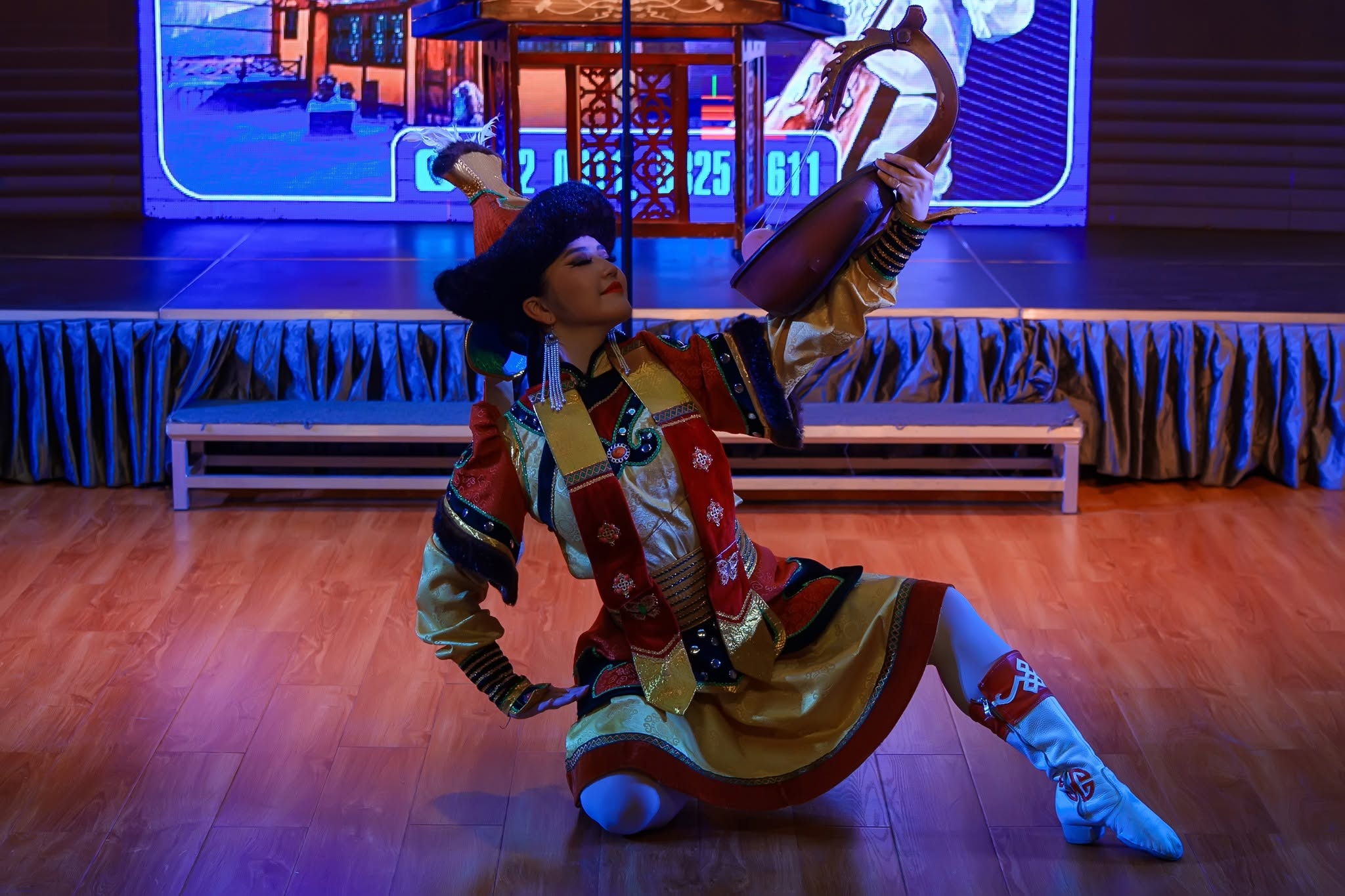
Biyelgee is believed to have originated alongside the emergence of nomadic culture and the traditional Mongolian ger (yurt). It is a unique form of dance that embodies the history, traditions, customs, music, folklore, legends, epics, traditional clothing, and games of Mongolia’s diverse ethnic groups.
Through expressive movements of the upper body, arms, shoulders, and hands, Biyelgee portrays the everyday lives, distinctive lifestyles, customs, traditions, and ways of thinking of different Mongolian ethnic communities. Each movement reflects the cultural identity and heritage passed down through generations.
In 2013, 5,204 Biyelgee dancers, dressed in the traditional costumes of Mongolia’s various ethnic groups, performed this traditional dance together, earning a place in the Guinness World Records and celebrating one of Mongolia’s most treasured cultural heritages.
The history of Mongolian Tsam is believed to have begun in the early 19th century, when the story of Geser was first performed as a dance in Mongolia, leading to the creation of Geser Tsam.
Tsam is a traditional Buddhist ritual dance performed by masked dancers portraying wrathful deities and other sacred figures. These characters are inspired by visions and spiritual experiences that Buddhist practitioners encounter through meditation and contemplation.
Through its striking masks, elaborate costumes, powerful leaps, and dynamic movements, Tsam is believed to drive away evil spirits and negative forces. At a deeper spiritual level, the performance is intended to bring joy, blessings, and enlightenment to Buddhist devotees in all ten directions.
Shamanism is considered one of the oldest spiritual traditions of Mongolia. In ancient times, Mongolian tribes and communities practiced shamanism as their primary belief system. Before transitioning to a class-based society around the 3rd century BCE, tribal communities followed a communal way of life in which shamanic beliefs played an important role. Shamanism is believed to have roots dating back to the Neolithic period.
In times of war, conflict, and major decision-making, leaders would often consult shamans, seeking guidance and the favor of Eternal Blue Heaven.
During rituals, shamans perform rhythmic movements to communicate with ancestral spirits, guardian spirits, and the forces of nature. Through chanting, drumming, and movement, they invoke, honor, or appease spiritual beings and seek to drive away negative forces.
Mongolian Shamanic Dance is therefore more than an artistic performance; it represents a sacred ritual and a spiritual expression of the connection between the human world and the unseen realm.