
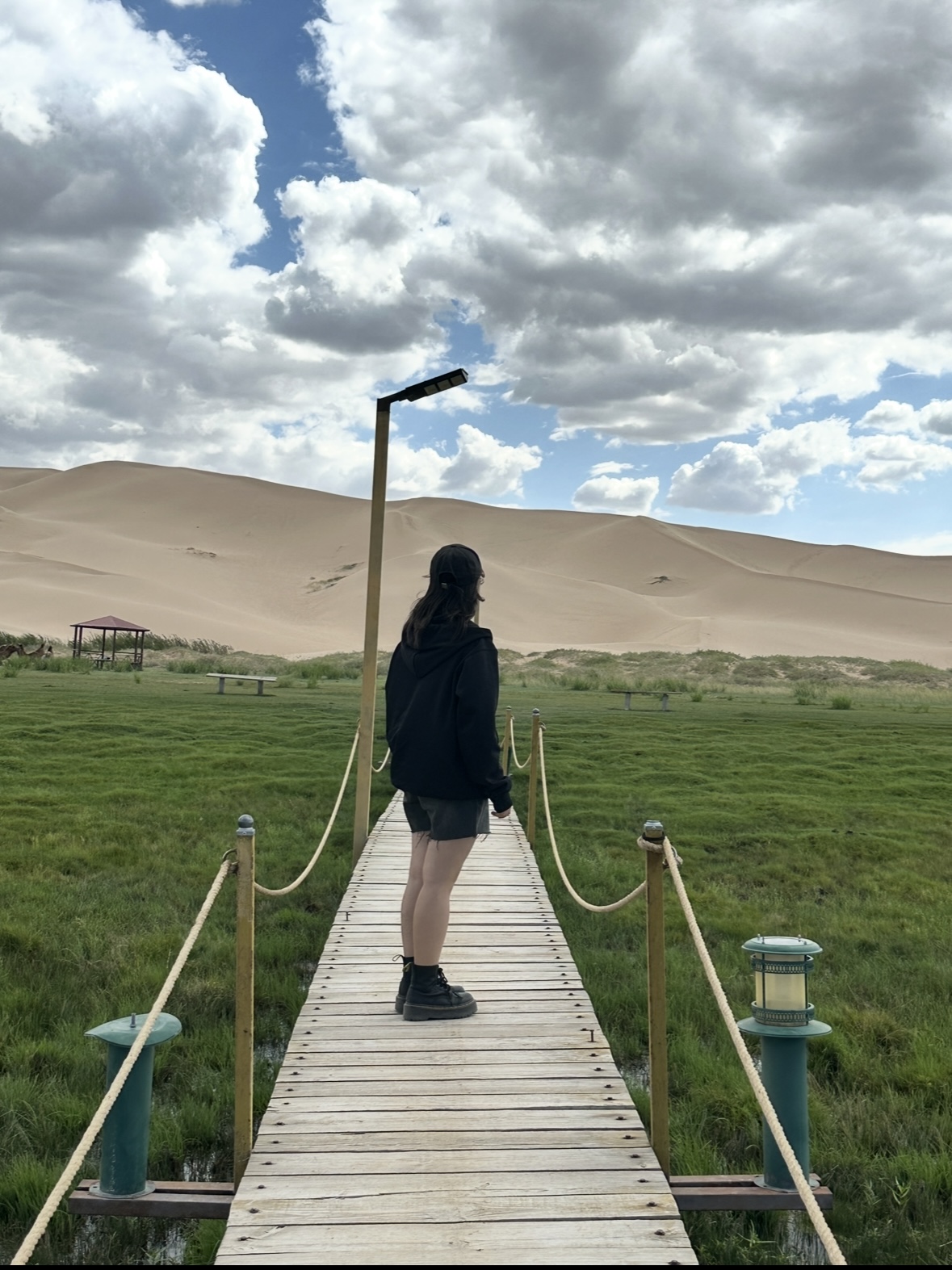
Dragon Bus Terminal → Mandalgobi
Depart from Dragon Bus Terminal at 8:00 AM and travel south toward the Gobi Desert by bus.
Mandalgobi
Stop in Mandalgobi at approximately 1:00 PM and enjoy lunch before continuing your journey.
Tsogt-Ovoo Soum
Arrive in Tsogt-Ovoo at approximately 4:00 PM and transfer to a vehicle for the journey to the White Cliffs.
White Cliffs (Tsagaan Suvarga)
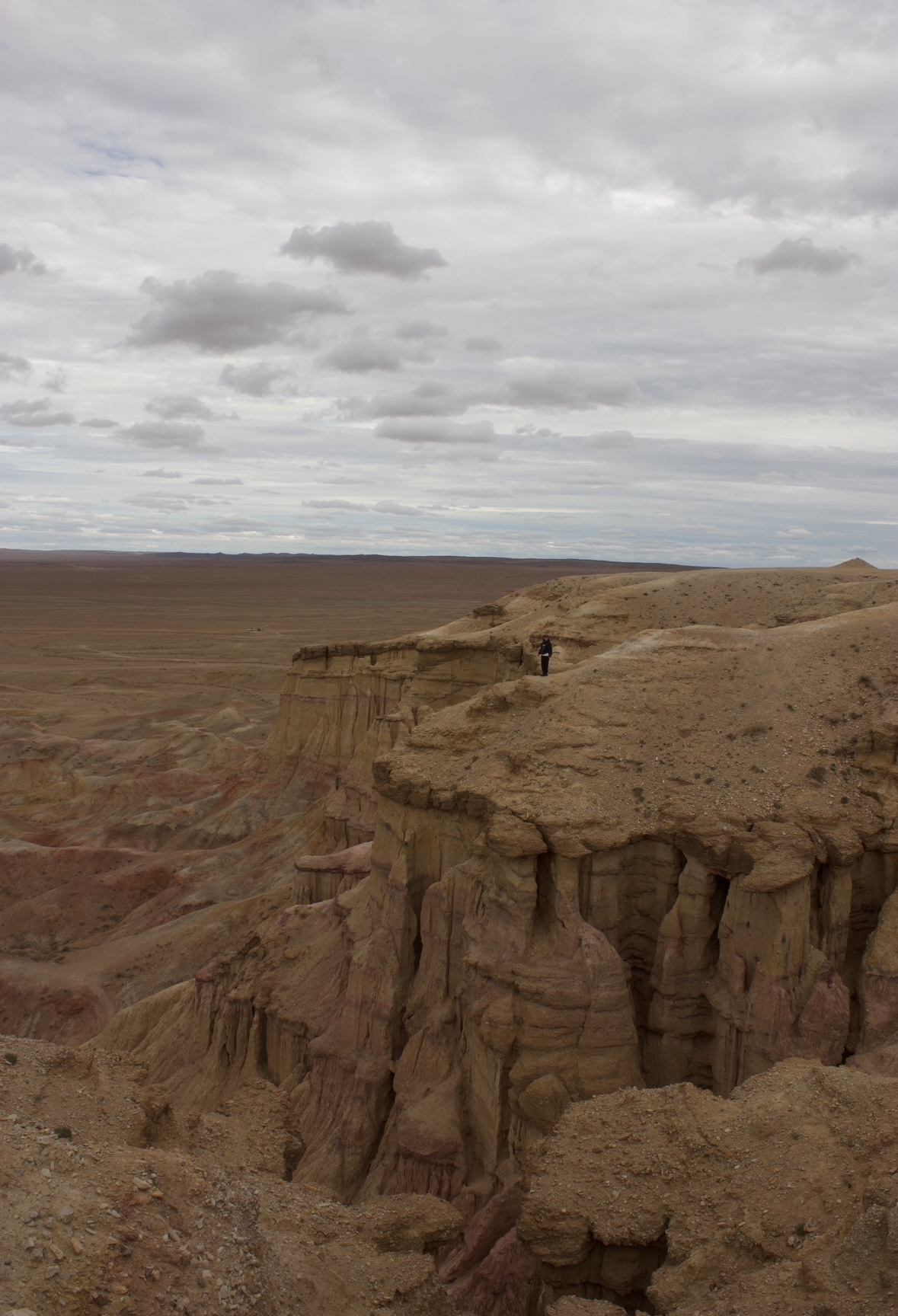
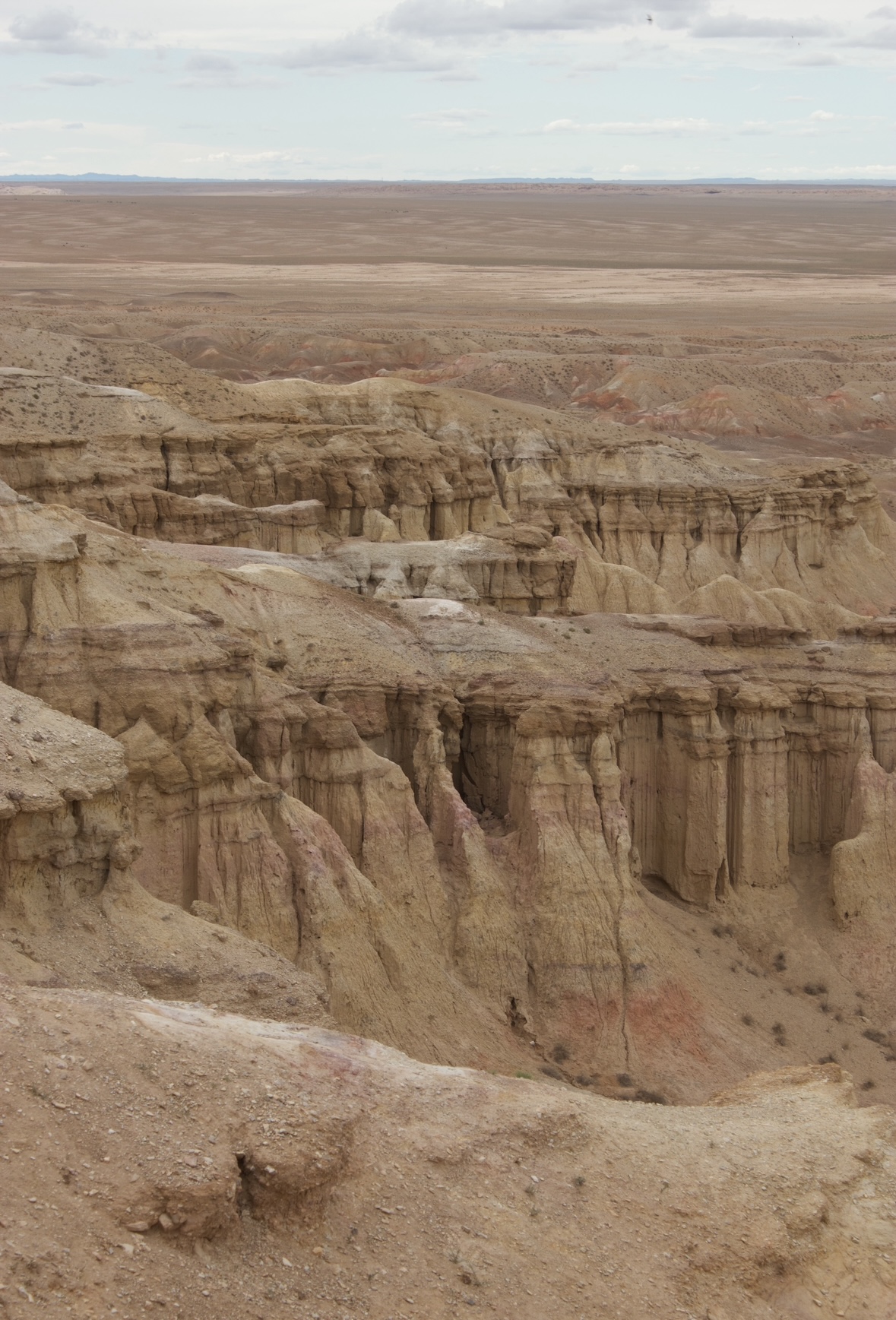
Arrive at the spectacular White Cliffs and admire the dramatic rock formations and beautiful desert scenery.
White Cliffs → Accommodation
Arrive at your accommodation at approximately 8:00 PM, check in, and relax after a day of travel and sightseeing.
Hotel → Yol Valley
Depart from your hotel at 8:00 AM and travel to Yol Valley, a beautiful canyon in Gurvan Saikhan National Park.
Arrive at Yol Valley
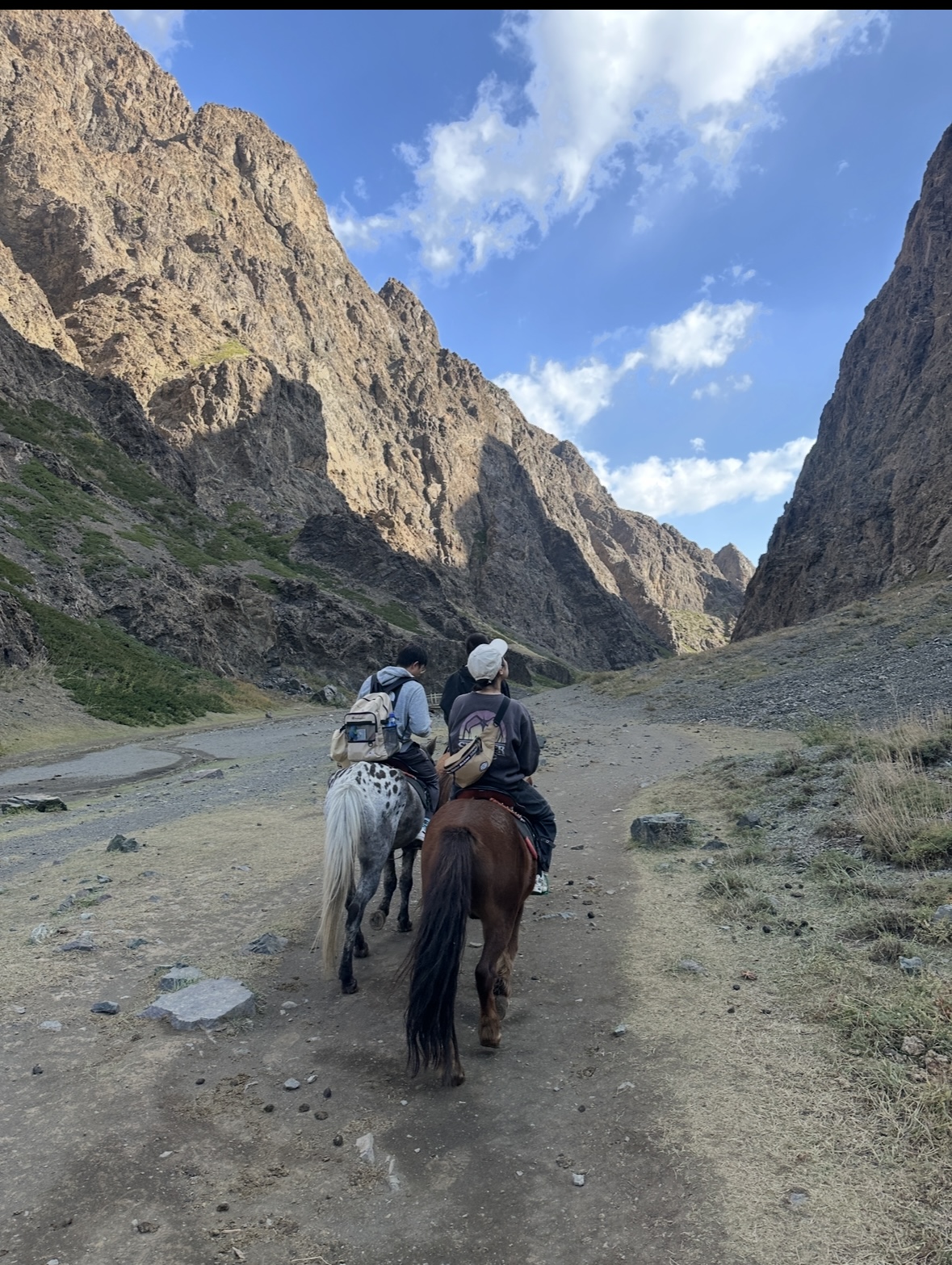
Arrive at Yol Valley around 9:00 AM. Enjoy a scenic walk through the stunning canyon and admire the dramatic mountain landscape.
Lunch at a Local Restaurant
Take a break and enjoy lunch at a local restaurant before continuing your Gobi Desert adventure.
Arrive at Khongor Sand Dunes
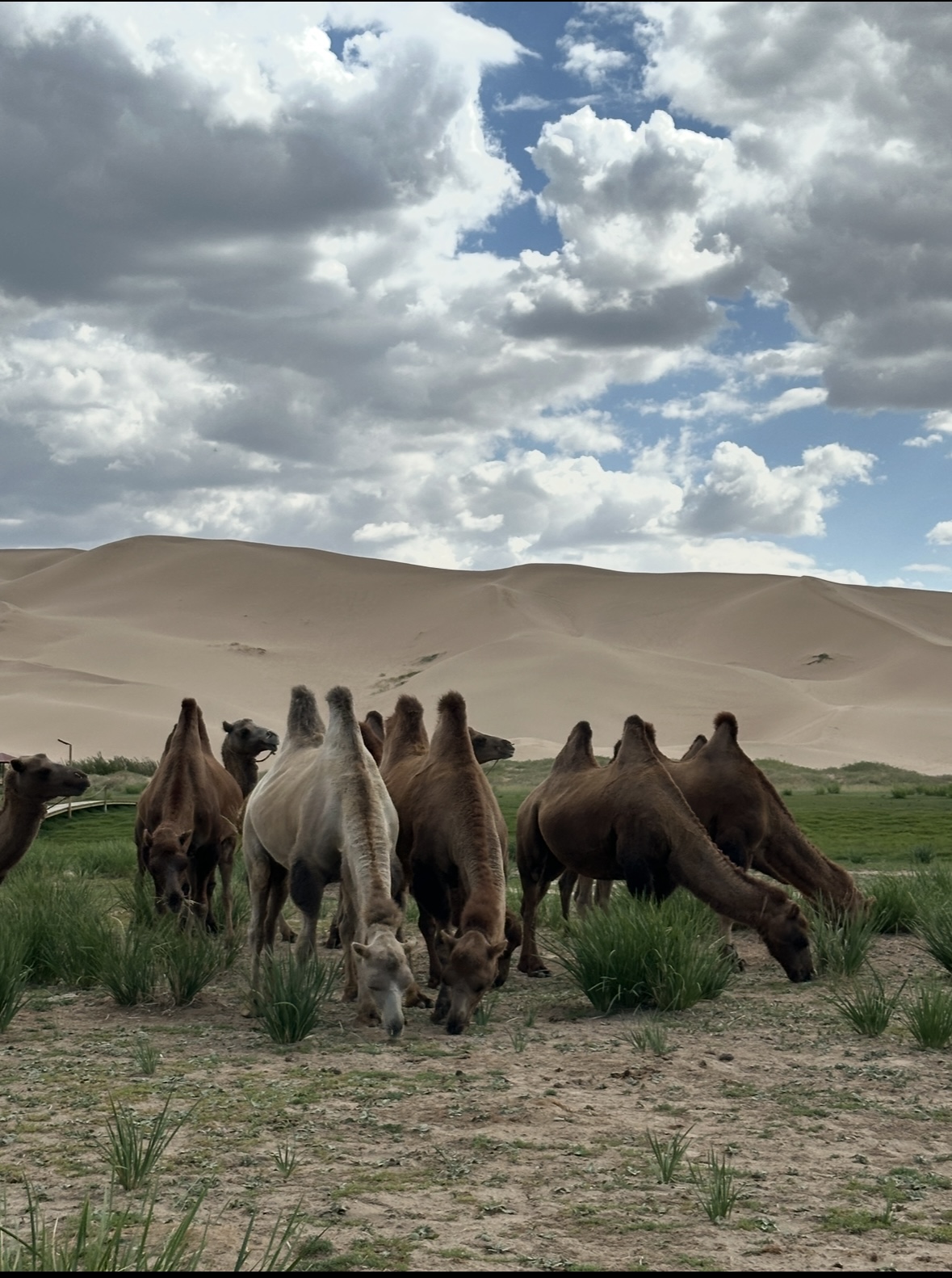
Arrive at the magnificent Khongor Sand Dunes around 4:00 PM. Explore the spectacular desert landscape, enjoy a camel ride, and climb the dunes for breathtaking panoramic views of the Gobi Desert.
Dinner with a Nomadic Family
Enjoy a traditional dinner with a nomadic family and experience Mongolian hospitality and the traditional nomadic way of life.
Stay in ger camp
After dinner, enjoy some free time before spending the night at a nomadic standard ger camp, experiencing traditional Mongolian accommodation in the Gobi Desert.
Ger Camp → Khavtsgait
Depart from your ger camp at 8:00 AM and head to Khavtsgait to discover ancient rock paintings that offer a glimpse into Mongolia’s distant past.
Khavtsgait Ancient Rock Paintings
Explore the ancient rock paintings of Khavtsgait and discover fascinating traces of the people who lived in this region thousands of years ago.
Lunch Break
Take a break and enjoy lunch before continuing your journey to the spectacular landscapes of the Gobi Desert.
Bayanzag (Flaming Cliffs)
Explore Bayanzag, also known as the Flaming Cliffs, a world-famous dinosaur fossil discovery site. Admire the dramatic red sandstone formations and learn about the area’s remarkable prehistoric history.
Bayanzag → Dalanzadgad
Depart Bayanzag at approximately 3:00 PM and travel back to Dalanzadgad.
Arrive at Your Hotel in Dalanzadgad
Arrive at your hotel in Dalanzadgad at approximately 8:00 PM, check in, and relax after a day of exploring Mongolia’s fascinating history and landscapes.
Hotel → Bus Terminal
Get picked up from your hotel at 7:00 AM and transfer to Bus Terminal to board your bus.
Bus Terminal → Mandalgobi
Depart from Dragon Bus Terminal at 8:00 AM and travel by bus through Mongolia’s scenic countryside.
Mandalgobi
Arrive in Mandalgobi at approximately 1:00 PM and enjoy lunch before continuing your journey.
Arrive at Dragon Bus Terminal
Arrive at Dragon Bus Terminal at approximately 6:00 PM, concluding your bus journey.
Included
- ✓ 3-night accommodation
- ✓Tour guide and translator service
- ✓Private car transportation
- ✓Bus tickets
- ✓Day-2 breakfast, lunch, dinner
- ✓Day-3 breakfast, lunch
- ✓Day-4 breakfast
Excluded
- ✕Tip
- ✕Personal expenses,snacks and drinks
- ✕Day-1 bf, lunch, dinner
- ✕Day-3 dinner
- ✕Day-4 lunch, dinner
- ✕Extra costs
Important Things to Know Before You Go
Clothing
Sun hat and sunglasses, Long-sleeved sun-protective shirts, Warm layers for night
Shoes
Comfortable walking shoes, Extra pairs of socks, Sandals for relax camp
Sun protect
Sunscreen, Lip balm, Hand cream
Water
at least 3 bottle of water
Cash
Some places may not accept card payments, so please bring a small amount of cash
Extra
Powerbank, Extra camera battery, Wet wipes, Some medicians
FYI
During long journeys through the Mongolian countryside, modern restroom facilities may not be available along the way, You may need to use outdoor restrooms roadside stops, which may uncomfortable than what you are used to.
Must
Passport information is required to book bus tickets. Name, passport number, date of birth
Places You Will Visit
These spectacular formations were created by wind and erosion over layers of mud and sediment that once lay beneath the sea. The cliffs rise approximately 60 meters high and stretch about 400 meters wide, with nearly vertical sides.
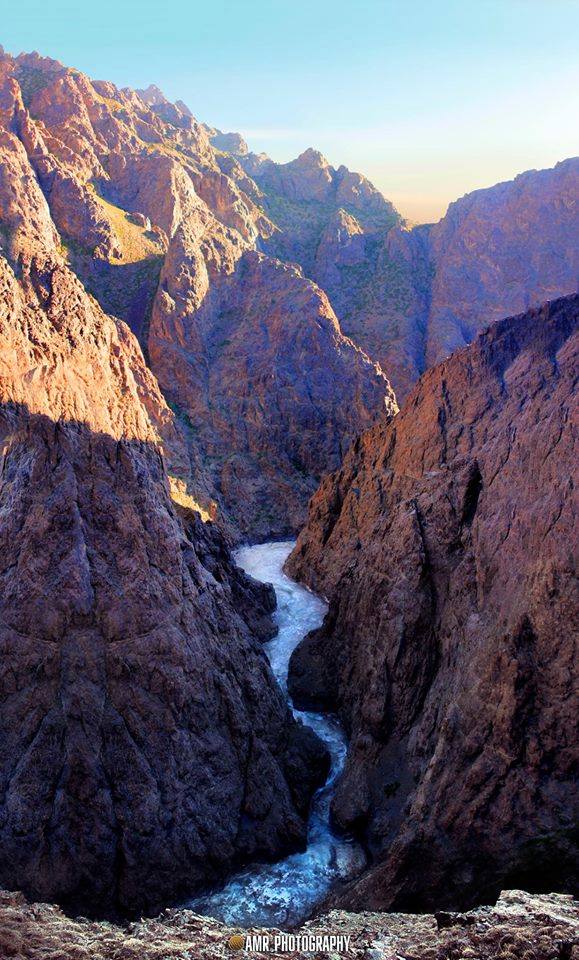
A small stream runs through the narrow gorge, which traditionally remained covered in ice during winter. Although the ice used to last throughout the year, much of it has melted in recent years due to global warming. In shaded areas where sunlight rarely reaches, ice more than one meter thick can still remain. In years with heavy rainfall, up to four waterfalls have been known to cascade down from the cliffs into the gorge.
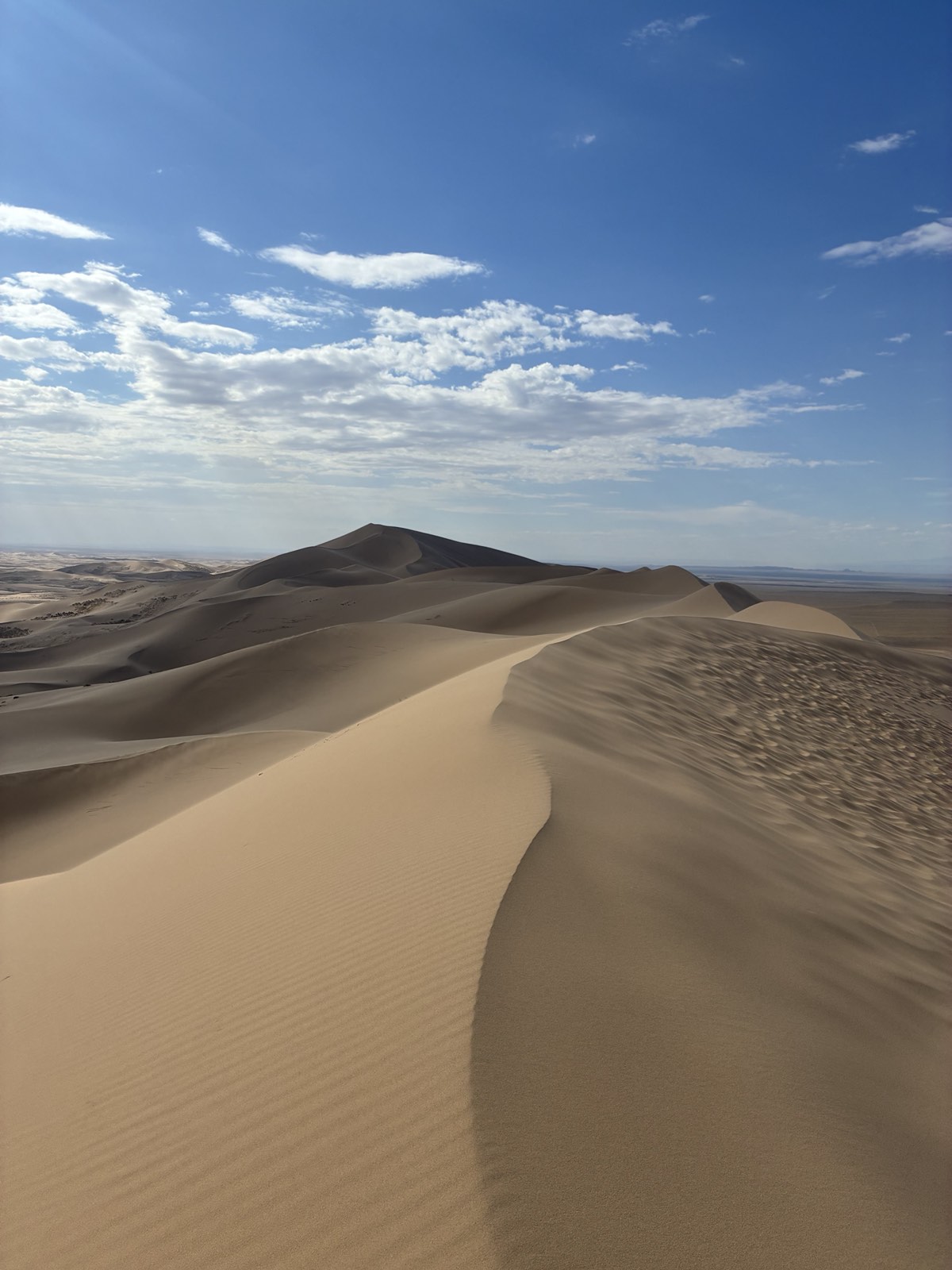
The highest point is known as the Singing Dune, rising approximately 195 meters high. Climbing to the top takes around one hour on average due to the steep, shifting sand.
When the wind blows, the dunes produce mysterious sounds that resemble musical tones. This unique phenomenon is why they are called the “Singing Dunes.”
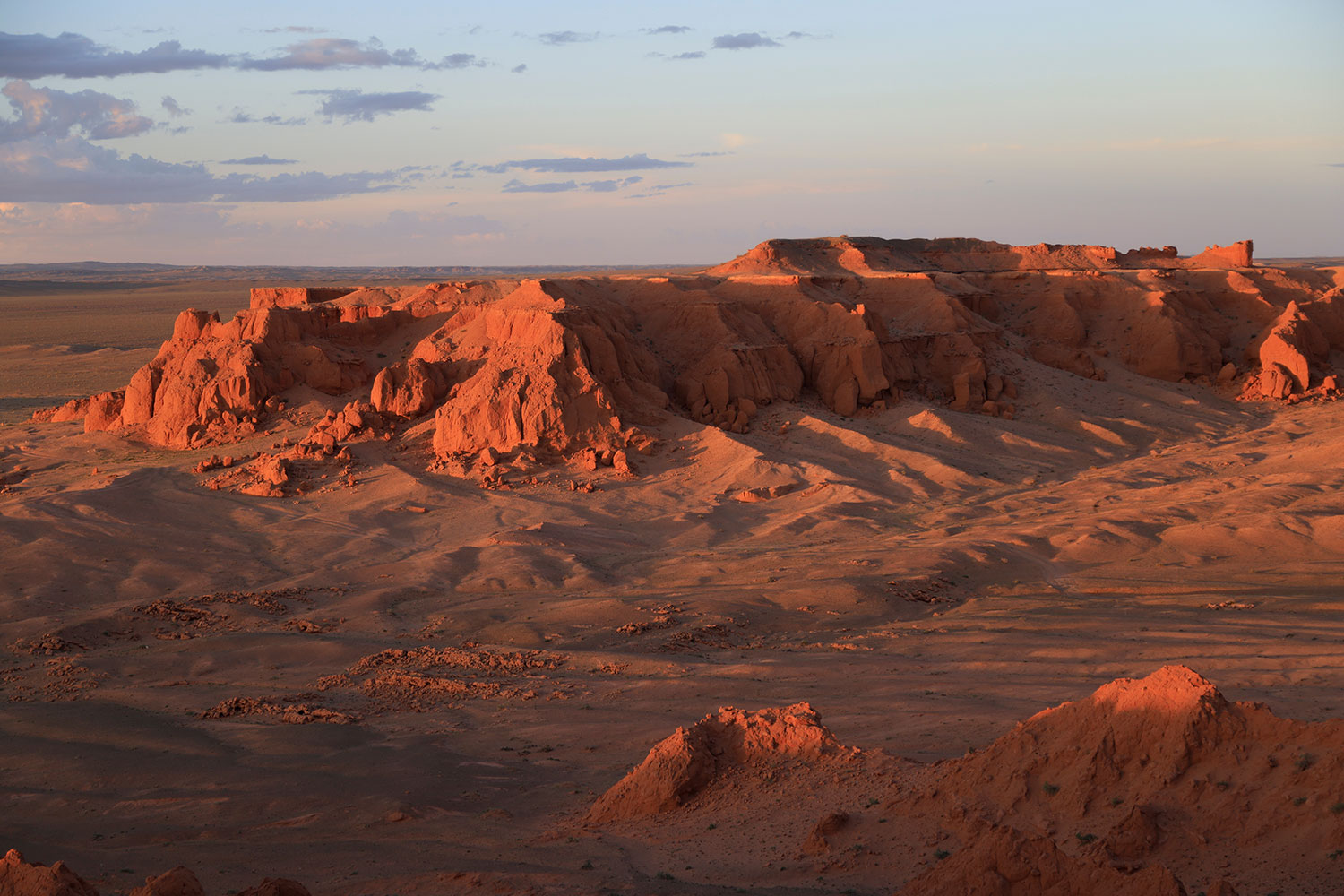
Researchers have found evidence that humans lived in this area around 40,000 years ago. The southern part of Bayanzag has also yielded dinosaur bones and fossilized eggs dating back approximately 60–80 million years, attracting worldwide attention.
In 1922, an American expedition led by Roy Chapman Andrews discovered dinosaur eggs measuring around 10–15 cm. This groundbreaking discovery provided some of the earliest evidence that dinosaurs laid eggs, making Bayanzag one of the most significant dinosaur fossil sites in the world.
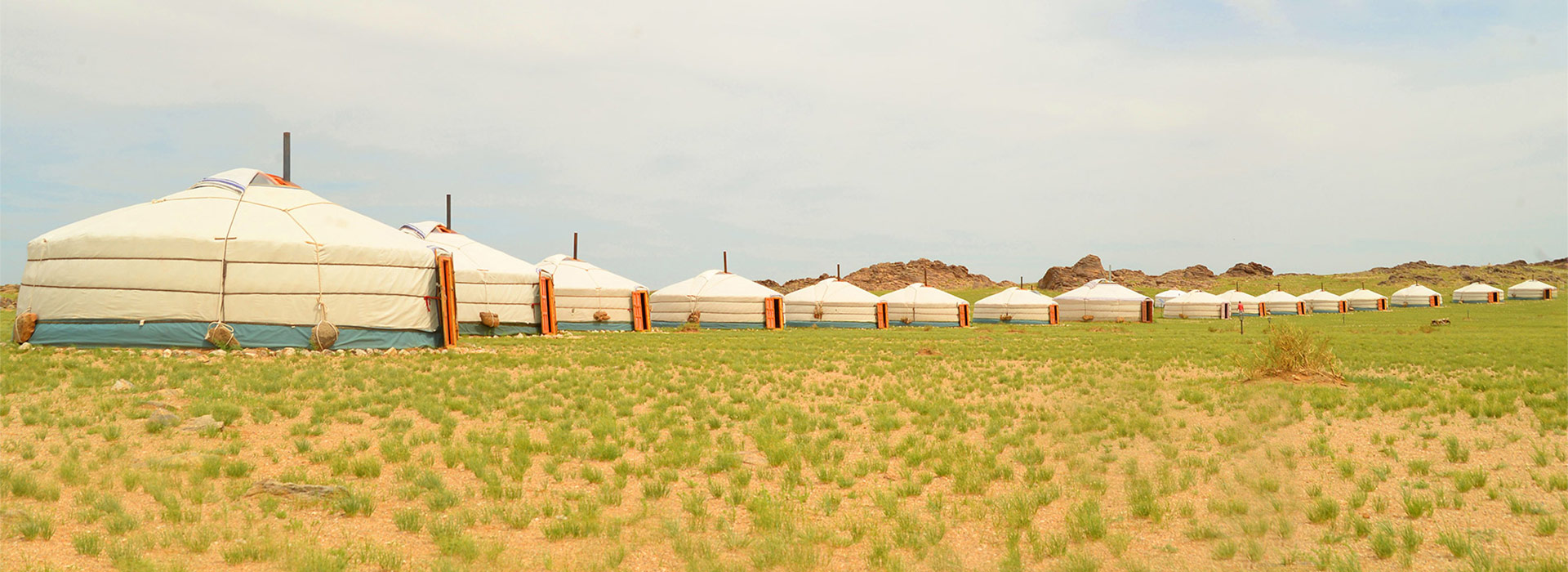
Electricity inside the gers may be limited. At night, step outside and look up to admire the star-filled sky and the Milky Way stretching above the Mongolian steppe.
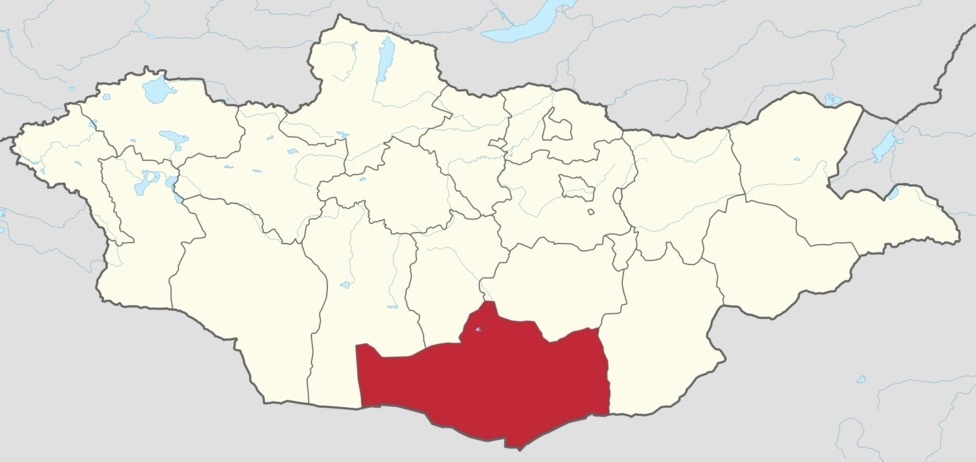
The province is rich in natural resources, including gold, copper, coal, and coalbed methane. Several mining companies operate in the region, contributing to Mongolia’s mining industry.
Ömnögovi is also world-famous for its paleontological discoveries. Fossilized dinosaur bones, eggs, and petrified wood dating back approximately 50–120 million years have been discovered in the region, offering fascinating insights into the prehistoric life that once inhabited the Gobi Desert.