

Deep in the remote, mist-covered mountains of northernmost Mongolia lies a hidden realm unlike anywhere else on Earth. Far beyond the reaches of paved roads lies the subarctic Taiga—the ancestral home of the Dukha (Tsaatan) people, one of the world’s few remaining reindeer-herding communities.
For travelers seeking true adventure, a journey to visit the Tsaatan is an immersive passage into an ancient way of life where humans and reindeer live in complete harmony.
Here is what makes a journey to the northern Taiga an unforgettable experience and how this unique culture survives today.
Who Are the Tsaatan People?
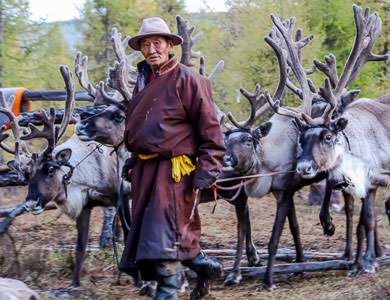
The word Tsaatan roughly translates to “those who have reindeer.” Originating from Tuvan roots, the Dukha people have lived in the dense forests and tundra of Khövsgöl Province for centuries.
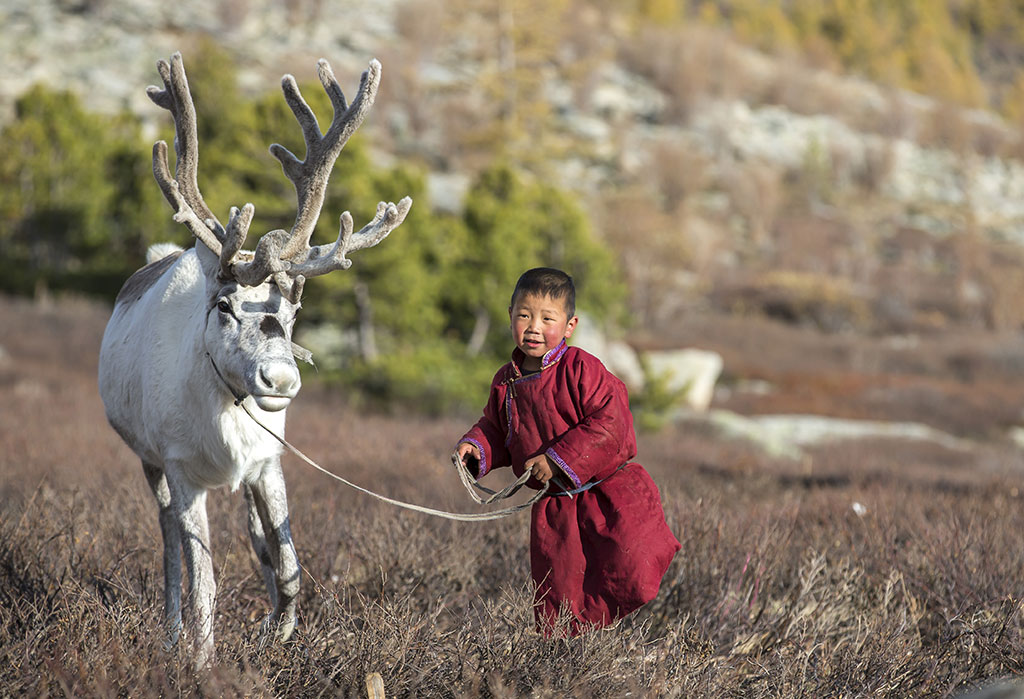
Unlike the nomadic herders of the southern steppe who raise horses, sheep, and camels, the Tsaatan’s lifestyle revolves around their reindeer (цаа буга):
- A Symbiotic Bond: Reindeer are treated as gentle family companions. They provide milk for cheese, butter, and tea, as well as riding transportation across snow and rugged terrain.
- No Meat Farming: The Tsaatan do not typically raise reindeer for meat; keeping the herd healthy is central to their community’s survival.
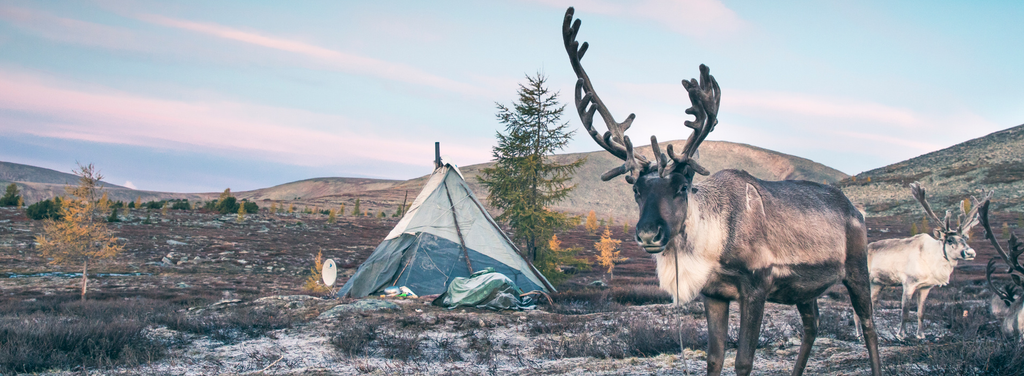
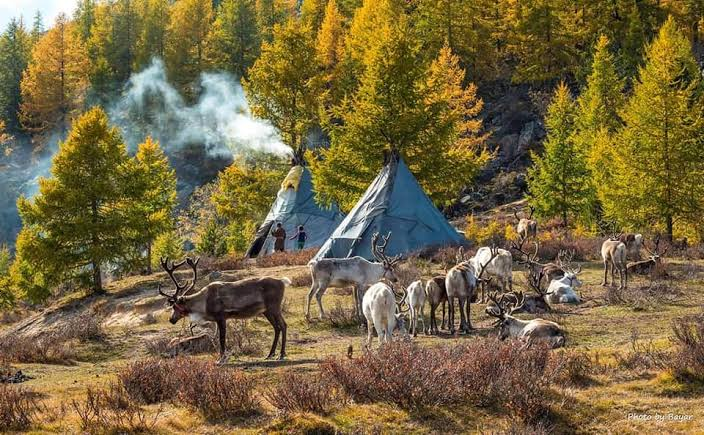
- The Ortz (Teepee): Instead of the felt ger, the Tsaatan live in conical bark-covered teepees known as ortz, designed to withstand subarctic forest winds and move easily with the herd.

How to Travel to the Taiga in Northern Mongolia
Reaching the Taiga is an adventure reserved for determined explorers. The route takes you through untouched wilderness:
- Gateway via Lake Khövsgöl & Tsagaannuur: The journey starts near Lake Khövsgöl before heading west toward the small settlement of Tsagaannuur.
- Horseback Riding into the Taiga: Beyond Tsagaannuur, roads cease to exist. Travelers ride sturdy horses or trek through muddy bogs, dense pine forests, and rocky mountain passes to reach the West or East Taiga camps.
- Arriving at the Tsaatan Camp: Rounding a mountain bend to see a cluster of ortz surrounded by roaming reindeer in an alpine valley is an unforgettable moment.
Life in the Taiga: Shamanism & Modern Conservation
While life in the Taiga remains traditional, modern changes have touched the community:
- Shamanic Traditions: The Tsaatan remain deeply connected to ancient Tengerism and Shamanism. They believe ancestor spirits reside in surrounding mountains, trees, and rivers.
- Balancing Modernity: Solar panels power small lights or devices inside many ortz, while younger family members balance seasonal schooling with helping herd reindeer.
- Sustainable Eco-Tourism: Responsible tourism provides income to local families, helping preserve their heritage while protecting the natural environment.
Tips for Respectful & Ethical Taiga Travel
Visiting the Tsaatan community requires sensitivity and sustainable practices:
- Travel with Experienced Local Guides: Always visit with tour operators who maintain respectful, direct relationships with local families.
- Respect Local Traditions: Ask before taking photos or entering an ortz, and support families by purchasing handcrafted antler carvings directly from artisans.
- Leave No Trace: The Taiga is a fragile ecosystem—pack out all waste and preserve the natural surroundings.
Frequently Asked Questions About Visiting the Tsaatan
Q: When is the best time to visit the Tsaatan reindeer herders?
A: The best time to visit the Taiga is from mid-June to late August when weather conditions are suitable for horseback riding.
Q: How difficult is the horse ride into the Taiga?
A: The ride takes between 4 to 8 hours depending on weather and mud conditions. Basic riding experience or good physical fitness is recommended.