

Mention the Gobi Desert, and most people envision vast, endless tracks of lifeless sand. But Mongolia’s iconic southern frontier is surprisingly dynamic—a land of dramatic contrast featuring snow-capped canyon ice fields, towering golden dunes, red sandstone cliffs rich with dinosaur fossils, and oasis springs.
Covering over 1.3 million square kilometers across southern Mongolia and northern China, the Gobi is one of the world’s most captivating wilderness areas.
If you are planning an overland expedition to southern Mongolia, here are the top 5 must-see attractions in the Gobi Desert.
1. Khongoryn Els (Khongor Sand Dunes) – The Singing Sands
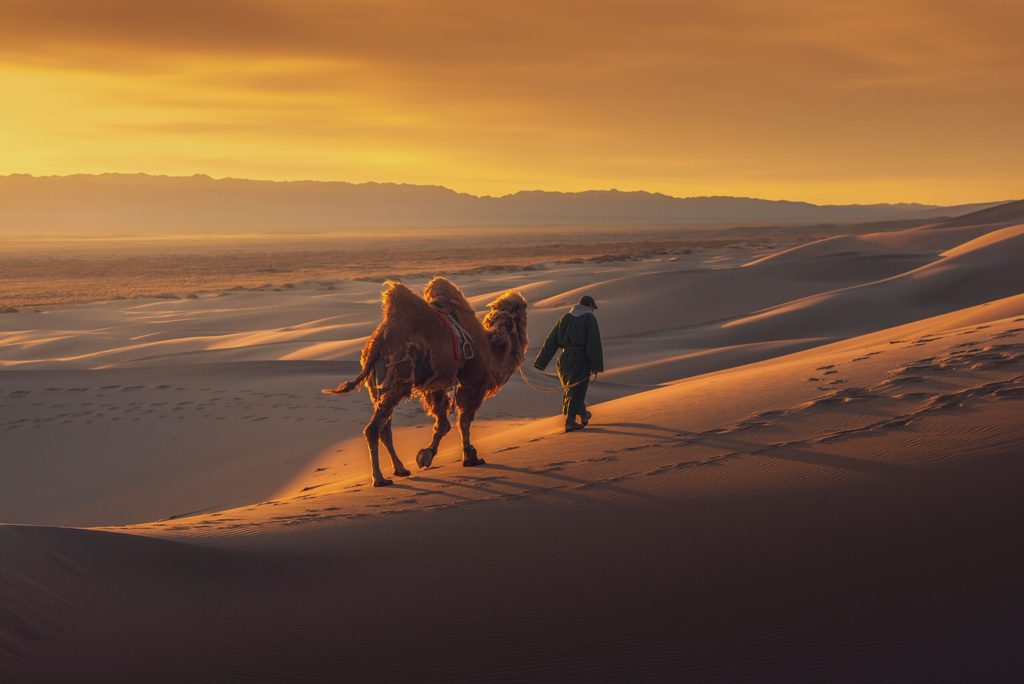
Rising up to 300 meters high and stretching for over 100 kilometers, Khongoryn Els is one of the largest and most impressive sand dune formations in Mongolia.
- The Experience: Climb to the top of the “Singing Dunes” at sunset to watch the colors shift from pale yellow to deep orange. As the wind moves the sand particles, the dunes emit a deep, humming sound—a phenomenon known locally as the “singing sands.”
- Activities: Enjoy a traditional Bactrian (two-humped) camel trek along the oasis stream at the foot of the dunes.
2. Bayanzag (The Flaming Cliffs) – The Cradle of Dinosaurs
Bayanzag, world-famous as the Flaming Cliffs, is an eerie and breathtaking expanse of red sandstone bluffs made famous by American explorer Roy Chapman Andrews in the 1920s.
- Historical Significance: It was here that Andrews and his team from the American Museum of Natural History made the groundbreaking discovery of the world’s first scientifically recognized dinosaur eggs.
- Best Time to Visit: Arrive in the late afternoon. As the sun sets, the red sandstone bluffs catch the light and glow as if engulfed in bright orange flames.

3. Yolyn Am (Eagle Valley) – The Ice Canyon in the Desert
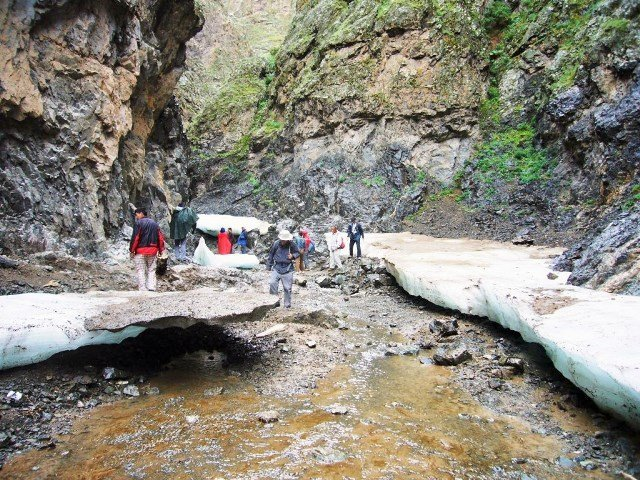
Located within the Gurvan Saikhan National Park, Yolyn Am (Valley of the Vultures) is a deep, narrow gorge surrounded by sheer rock faces that shield the valley floor from direct sunlight.
- The Natural Phenomenon: Despite being located in the middle of a desert, the canyon remains cool year-round and historically harbored a thick layer of ice well into the summer months.
- Wildlife Spotting: The gorge is home to bearded vultures (Lammergeiers), wild Argali sheep, Siberian ibex, and elusive snow leopards.
4. Khermen Tsav – The Grand Canyon of the Gobi
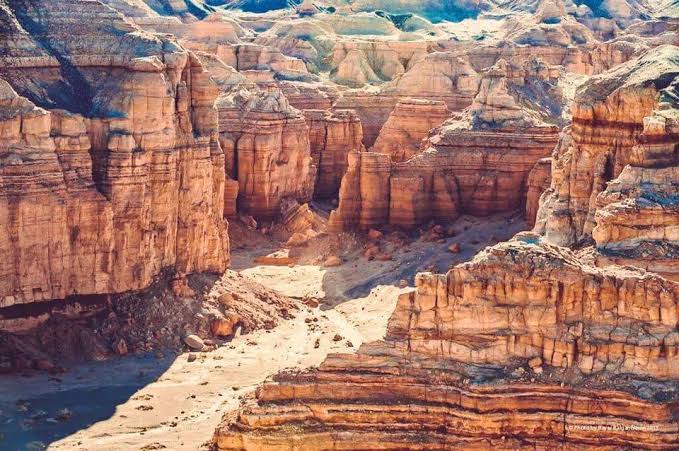
For adventurous travelers venturing into the far western reaches of the Gobi, Khermen Tsav offers an otherworldly landscape of carved red canyons and natural amphitheaters.
- The Remote Frontier: Formed over millions of years by wind and water erosion, these towering red clay structures look like ancient ruined castles rising out of the desert floor.
- Fossil Wealth: Khermen Tsav is one of the most famous paleontological sites in Asia, where complete dinosaur skeletons have been unearthed.
5. Ongi Monastery Ruins – A Desert Oasis of History
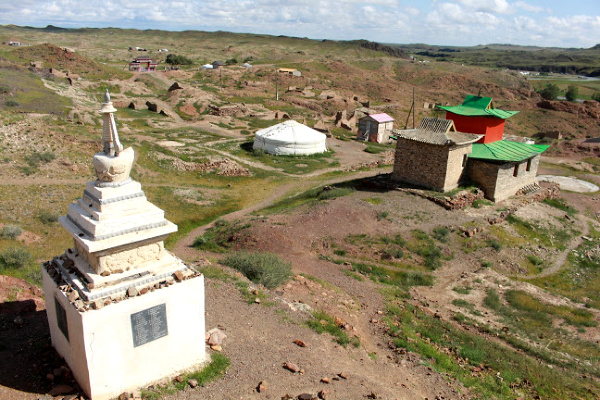
Perched along the banks of the Ongi River, the ruins of Ongi Monastery (Ongiin Khiid) offer a historical checkpoint on the journey between the Gobi Desert and central Mongolia.
- Cultural Heritage: Once one of the largest Buddhist monasteries in southern Mongolia housing over 1,000 monks, it was destroyed during the religious purges of the 1930s.
- The Experience: Explore the dramatic ruins, visit the small rebuilt temple and museum, and enjoy the river oasis setting after days of desert travel.
Essential Tips for Traveling to the Gobi Desert
- Best Time to Visit: June to September offers warm days and pleasant conditions. May and October bring cooler temperatures but fewer travelers.
- Transportation: A sturdy 4×4 vehicle with an experienced local driver is essential for navigating the unpaved tracks and desert terrain.
- Accommodation: Stay in traditional ger camps or experience authentic nomadic hospitality at family homestays.
Frequently Asked Questions About the Gobi Desert
Q: Is the Gobi Desert all sand dunes?
A: No, only about 3% to 5% of the Gobi Desert is covered in sand dunes. The majority consists of rocky terrain, dry valleys, gravel plains, and mountain ranges.
Q: How many days do you need for a Gobi Desert tour?
A: A classic Gobi Desert itinerary covering Yolyn Am, Khongor Dunes, and Bayanzag takes between 6 to 8 days round-trip from Ulaanbaatar.
Ready to climb the Singing Dunes and explore the Flaming Cliffs?