

Introduction
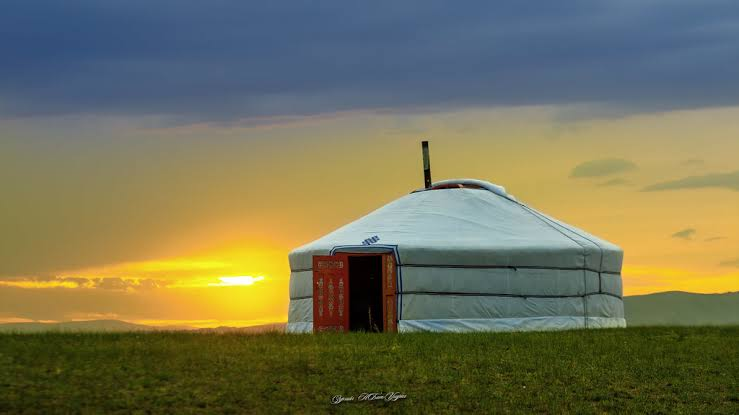
Stepping through the wooden door of a traditional Mongolian ger (yurt) and onto the sweeping steppes is like entering another world. For international travelers, visiting or staying overnight with a nomadic family is often the absolute highlight of a Mongolian adventure. Rooted in centuries of nomadic heritage, Mongolian hospitality is legendary, warm, and deeply ingrained in daily survival across harsh, wide-open landscapes.
However, nomadic life follows a distinct set of unwritten rules, ancient customs, and taboos. Understanding and respecting these cultural norms will not only ensure you are a gracious guest, but it will also forge a genuine, heartwarming connection with your hosts.
In this comprehensive guide, we’ll walk you through everything you need to know about Mongolian ger etiquette—from entering a home and sharing airag to respecting sacred spaces.
1. Entering and Moving Around the Ger
A ger is much more than a portable tent; it is a sacred living space, a social hub, and a living sundial. Before you step inside, keep these golden rules in mind:
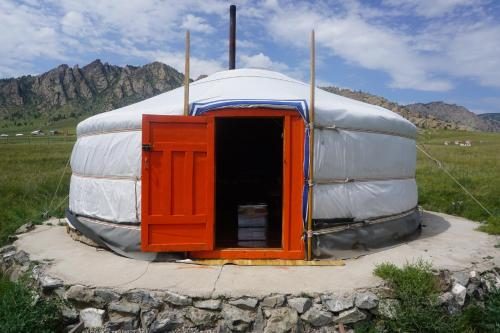
- Watch Your Step on the Threshold: Never step on the wooden threshold (bosgo) of the ger door, and do not lean or sit on it. Historically, the threshold represents the neck of the family’s home and protector; stepping on it was considered an insult to the homeowner or an omen of bad luck. Always step cleanly over it.
- Mind Your Head: Ger doorways are traditionally low to make visitors bow slightly upon entering as a sign of humility and respect. Watch your head!
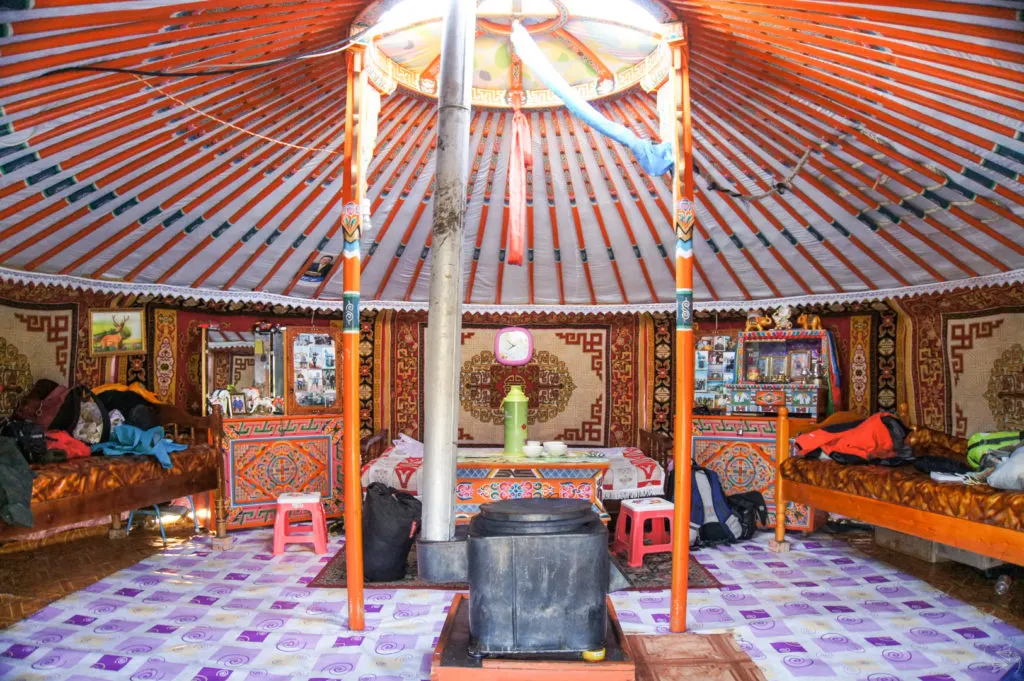
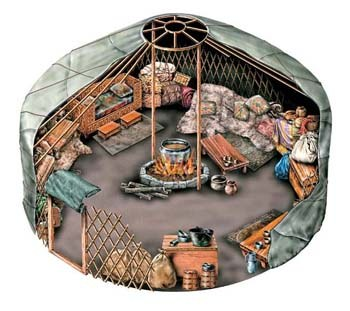
- Move Clockwise (Sunwise): Once inside, always move around the interior in a clockwise direction (following the path of the sun). Walking counter-clockwise or crossing directly through the center of the ger is disrespectful.
- Where to Sit: Guests are traditionally seated on the western (right-hand side as you enter) or northern (rear) part of the ger, which is the honored guest area (hoimor). The eastern side is typically reserved for the female household members and kitchen area, while the western side is for men and family elders. Avoid sitting on the family’s sleeping beds unless invited.
2. Hospitality Traditions: Food, Drink, and Gifts
When a nomadic family welcomes you into their ger, offering food and drink is an immediate gesture of trust and friendship. Refusing what is offered can cause offense, so it pays to know the customs:
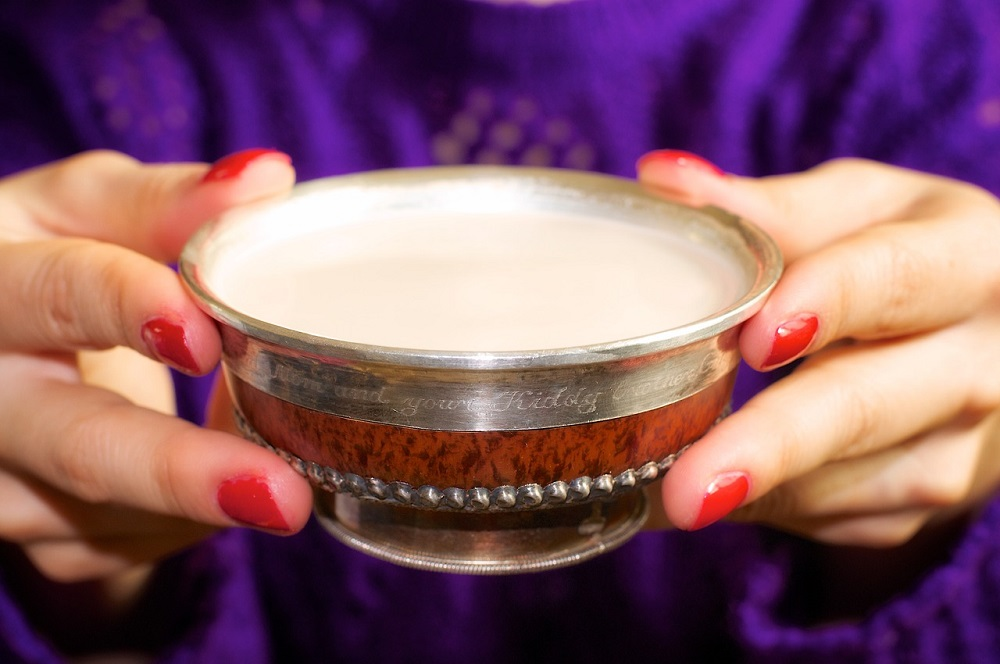
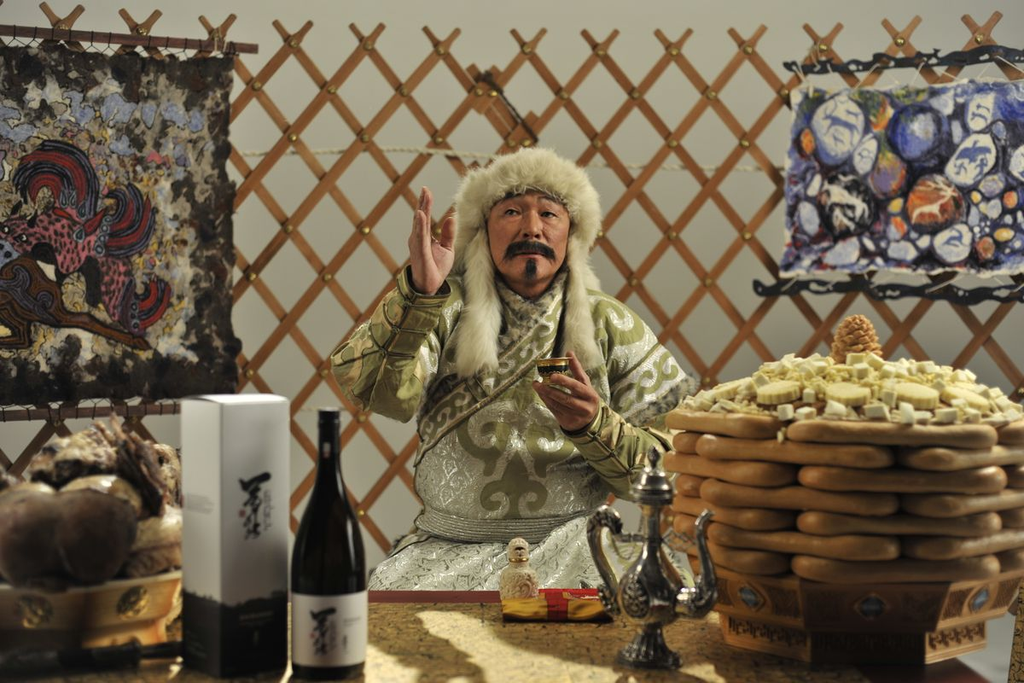
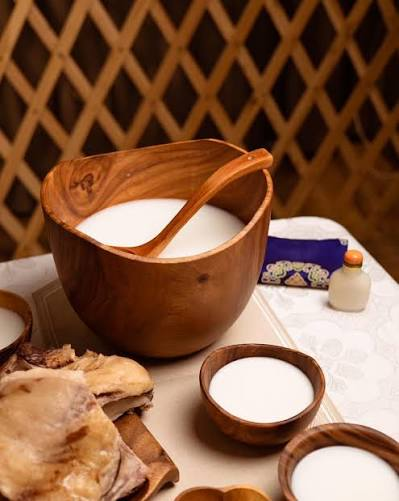
- The Greeting Ritual (Airag or Tea): Your hosts will typically welcome you with a bowl of suutei tsai (traditional salted milk tea) or airag (fermented mare’s milk).
- How to Receive a Bowl: Always accept food, gifts, or bowls using both hands or by placing your right hand underneath your right elbow as a gesture of support and respect. Never take anything with just one hand or lazily with your left hand.
- The Two-Finger Gesture (Tasting): If you are offered a bowl of tea, airag, or dairy snacks (aaruul), you are expected to take at least a small sip or nibble. When presented with a bowl of milk tea or airag, it is customary to lightly dip your right ring finger into the liquid and flick a tiny drop upward toward the sky (tenger) as an offering to nature and the spirits before drinking.
- Finishing Your Bowl: It is polite to finish what is in your bowl. If you are completely full, you can take a small sip and hand it back respectfully with both hands.
3. Respecting Family Space and Sacred Objects
Nomadic life is closely tied to nature, Buddhism, and shamanic traditions. Inside the ger, certain areas and objects hold deep sacred meaning:
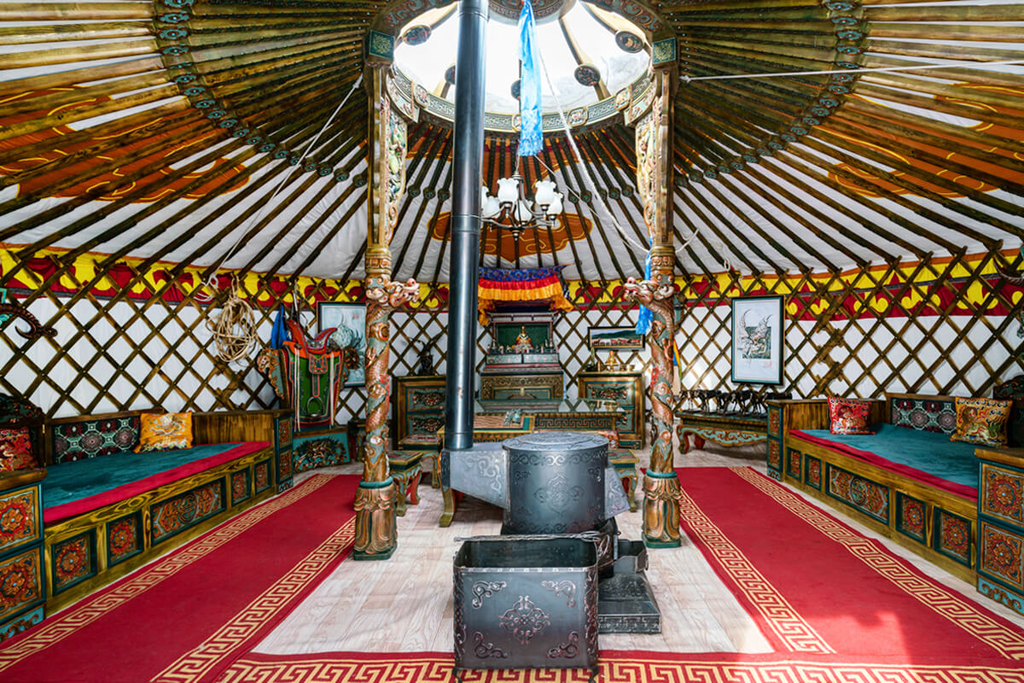
- The Center Stove (Zuukh): The iron stove in the middle of the ger is the heart of the home, providing warmth and cooking heat. Never step over the stove, touch the fire carelessly, throw trash into the flames, or lean your feet against it.
- The Altar (Khoimor): The northernmost part of the ger directly opposite the door is the most respected area. This is where family photographs, Buddhist statues, sacred texts, and travel mementos are kept. Never place hats, coats, backpacks, or trash on this side of the ger.
- Respecting Personal Belongings: Do not touch the family’s sacred items, musical instruments (like the morin khuur), or personal belongings without asking.
4. Outdoor Etiquette Around the Steppe and Campsite
Etiquette extends just outside the wooden door into the surrounding pasturelands and nomadic camp:
- Greeting Livestock and Guard Dogs: Mongolian herding camps often have large, protective Tibetan Mastiff mix dogs (bankhar). Never approach a dog without the owner present. Always call out “Nohhoi horio!” (Hold your dog!) from a distance before walking toward a ger.
- Leaving No Trace: The steppe is pristine and fragile. Always pack out your trash, avoid littering, and respect local water sources (never wash dishes or yourself directly inside natural streams or wells).
- Photography Etiquette: Always ask for permission before taking close-up portraits of nomads, children, or elders, especially inside their homes. Most herders are very welcoming, but a polite smile and question go a long way.
5. Gift Ideas: What to Bring When Visiting a Nomadic Family
It is customary and thoughtful to bring a small token of appreciation when staying with or visiting a nomadic family. Excellent gifts include:
- Gifts for the Children: Notebooks, pens, colored pencils, or small toys.
- Gifts for the Household: Dried fruits, sugar, tea leaves, biscuits, or practical items like warm socks or flashlights. Avoid bringing heavy or overly fragile luxury items.
Plan Your Authentic Nomadic Experience with H&A Travel
At H&A Travel, we partner directly with authentic nomadic families across the Gobi Desert, Orkhon Valley, and Gorkhi-Terelj National Park to ensure respectful, immersive cultural exchanges. Whether you want to experience overnight stays in traditional ger camps or participate in seasonal nomadic life, our local experts are here to craft your journey.
Ready to experience genuine nomadic hospitality? Explore our curated Cultural & Nomad Tour Packages or contact our local travel experts today to book your unforgettable Mongolian adventure!