

In the 13th century, a single visionary united the nomadic tribes of the eastern steppe, giving birth to the largest contiguous land empire in human history. To millions around the globe, he is known as Genghis Khan—a name synonymous with tactical genius and unyielding leadership. But to the people of Mongolia, he is Chinggis Khaan: the founding father of the nation, a revered lawgiver, and the architect of world trade and communication through the Silk Road.
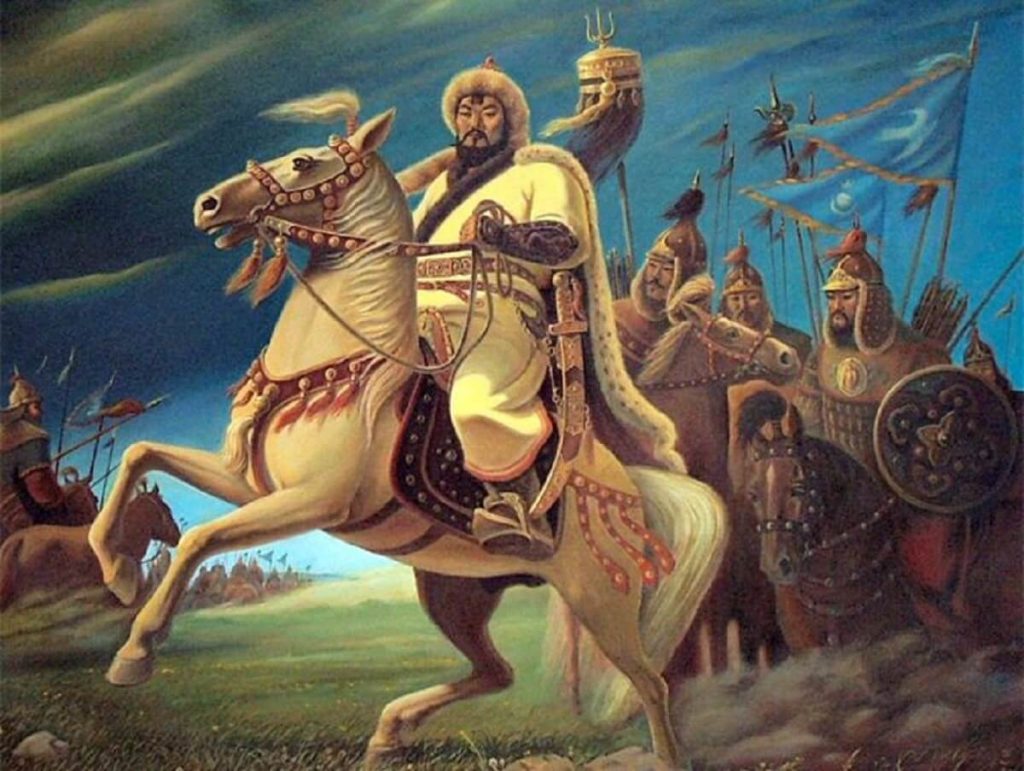
For history enthusiasts, cultural travelers, and adventurers, traveling through Mongolia offers an unmatched opportunity to step into the actual landscapes where the Mongol Empire was forged.
Here are the essential historic sites you must visit to follow in the footsteps of the Great Emperor.
Key Historical Landmarks of the Mongol Empire
1. Tsonjin Boldog – The Giant Equestrian Statue Complex
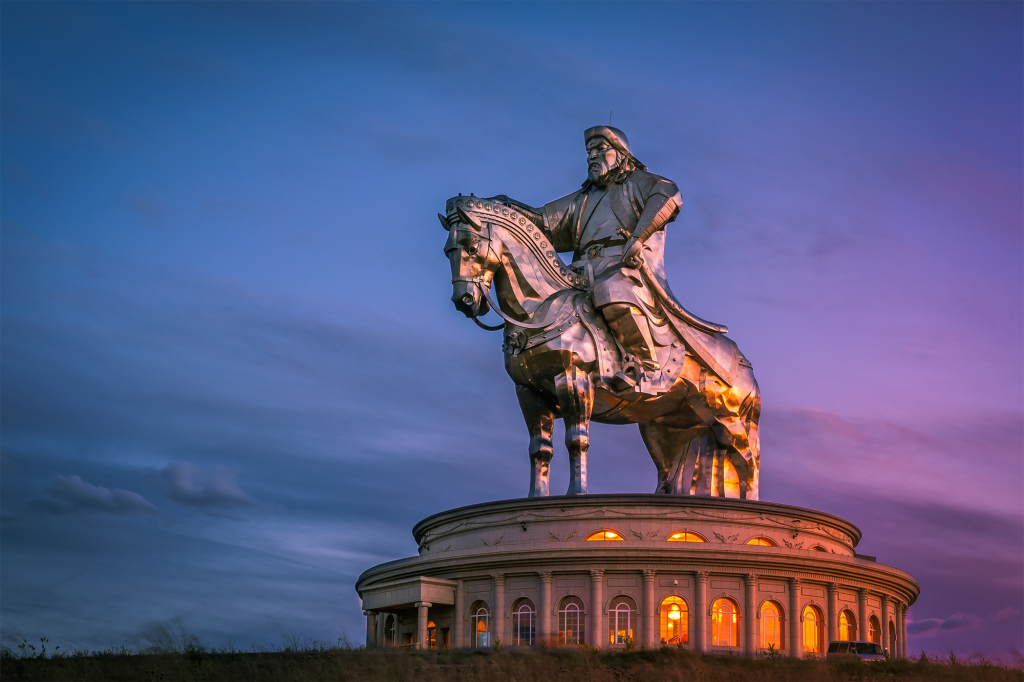
Located just an hour’s drive east of Ulaanbaatar, Tsonjin Boldog marks the exact legendary spot where a young Temüjin (Genghis Khan) found a golden whip—a historic omen that foretold his rise to power.
- Highlights: A towering 40-meter (130 ft) stainless steel statue depicting Genghis Khan on horseback. Visitors can take an elevator up through the horse’s neck to step onto its head for panoramic views of the surrounding rolling hills.
- Museum: The underground museum displays archaeological artifacts from the Bronze Age and Mongol Empire periods, along with the world’s largest traditional leather boot.
2. Kharakhorum & Erdene Zuu Monastery – Capital of the Empire
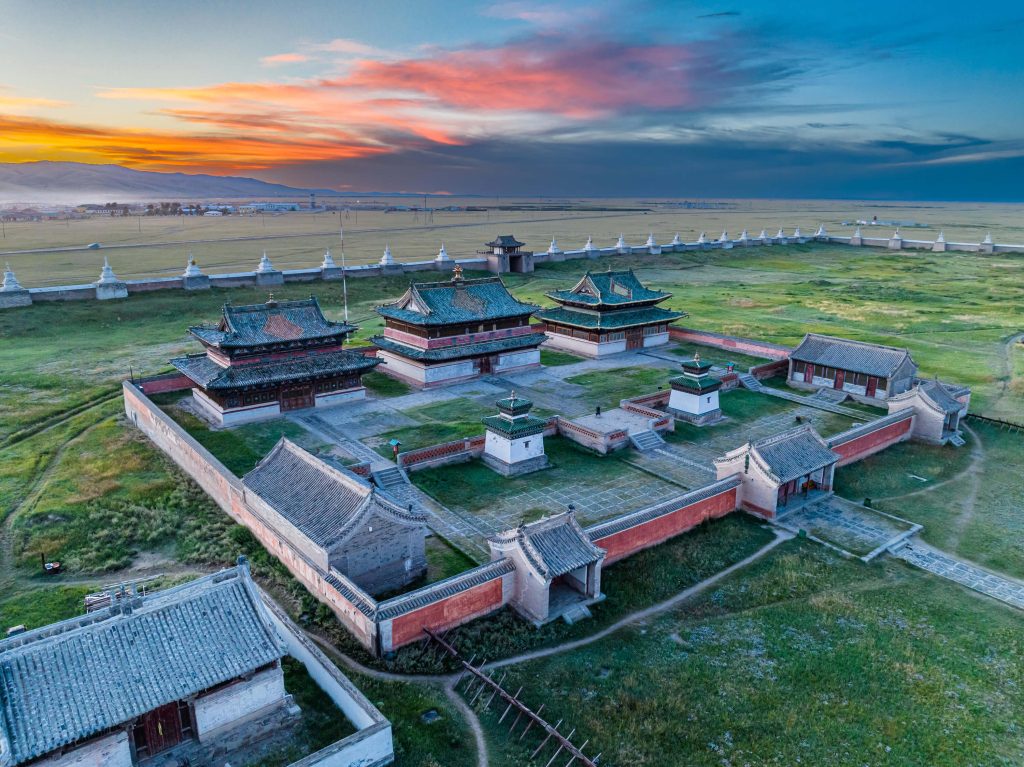
Situated in the fertile Orkhon River Valley (a UNESCO World Heritage site), Kharakhorum was established by Genghis Khan in 1220 as the administrative capital of the Mongol Empire.
- Historical Significance: Under his son Ögedei Khan, Kharakhorum became a vibrant cosmopolitan hub where diplomats, scholars, traders, and religious leaders from Europe, Persia, and China converged in peace.
- Erdene Zuu Monastery: Built in 1585 using the stones from the ancient capital’s ruins, this is Mongolia’s oldest surviving Buddhist monastery, surrounded by 108 majestic white stupas.
3. Delüün Boldog – The Birthplace of Temüjin
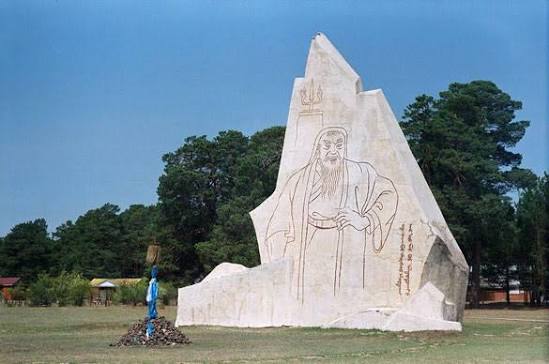
For those seeking a deep historical pilgrimage, Khentii Province in northeastern Mongolia is home to Delüün Boldog, the documented birthplace of Temüjin near the Onon River.
- The Experience: Nestled near Dadal village, this tranquil area remains beautifully preserved. Monuments and memorial stones mark his birth year (1162), offering visitors a serene setting to reflect on his humble beginnings.
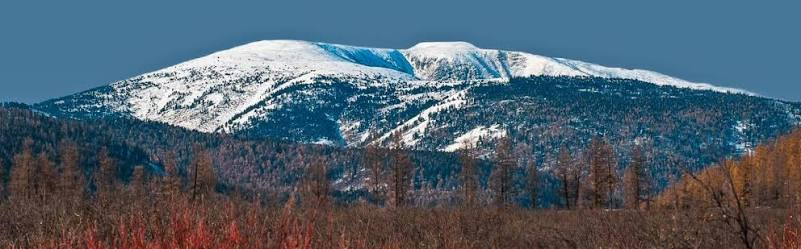
4. Burkhan Khaldun – The Sacred Mountain
Rising deep within the Khan Khentii Strictly Protected Area, Burkhan Khaldun is the sacred mountain where Genghis Khan sought refuge from enemies during his youth, prayed to Tenger (the Eternal Blue Sky), and is widely believed to be buried in an undisclosed location.
- UNESCO World Heritage: Recognized for its cultural and spiritual significance, the mountain remains a sacred sanctuary of traditional worship and pristine wilderness.
How to Plan a Historical Empire Tour in Mongolia
To fully appreciate the historical scope of the Mongol Empire, combining key historic sites with rich natural landscapes is essential:
- Ideal Duration: A 7-to-10-day itinerary allows you to easily cover Ulaanbaatar, Tsonjin Boldog, the Orkhon Valley, Kharakhorum, and Hustai National Park.
- Best Season: June to September offers pleasant weather, ideal for overland driving through the steppe and countryside.
- Local Insight: Traveling with a certified local historian or guide brings the landscape to life, turning sweeping valleys into vivid historical chronicles.
Frequently Asked Questions About Genghis Khan Historic Sites
Q: Where is the tomb of Genghis Khan located?
A: The exact location of Genghis Khan’s tomb remains one of history’s greatest unsolved mysteries. According to legend, his funeral procession swore complete secrecy, and the grave was left unmarked in the sacred Burkhan Khaldun mountain region.
Q: How far is Kharakhorum from Ulaanbaatar?
A: Kharakhorum is approximately 360 kilometers (223 miles) west of Ulaanbaatar, roughly a 5-to-6-hour scenic drive across the central Mongolian steppe.