

f you are planning a trip to Ulaanbaatar, one landmark stands at the spiritual and historical heart of Mongolia: Gandan Tegchenling Monastery (often simply called Gandan Monastery).
Spanning centuries of deep heritage, political transformation, and cultural resilience, Gandan is not just an active place of worship—it is a living museum of Mongolian identity. In this ultimate travel guide, we explore the vibrant history of Buddhism in Mongolia, what to expect when visiting Gandan Monastery, and essential tips for modern travelers.
The Origin Story: How Buddhism Came to Mongolia
Buddhism’s journey across the Mongolian steppe unfolded in distinct historical waves:
- The Early Era (13th–14th Century): During the Mongol Empire, Kublai Khan adopted Tibetan Buddhism under the guidance of Phags-pa Lama. While court elites embraced these spiritual teachings, shamanism remained widespread among nomadic communities.
- The Second Wave (16th Century): Altan Khan of the Tumed Mongol tribe met with Sonam Gyatso, a high-ranking Tibetan lama, and bestowed upon him the title “Dalai Lama” (meaning Ocean of Wisdom). This marked the widespread adoption of Gelugpa (Yellow Hat) Tibetan Buddhism across the region.
- Zanabazar and the Cultural Renaissance (17th Century): Undur Gegeen Zanabazar—the first Bogd Gegeen (spiritual leader of Mongolia)—became a legendary sculptor, architect, and religious leader, founding pivotal monasteries and shaping Mongolian sacred art.
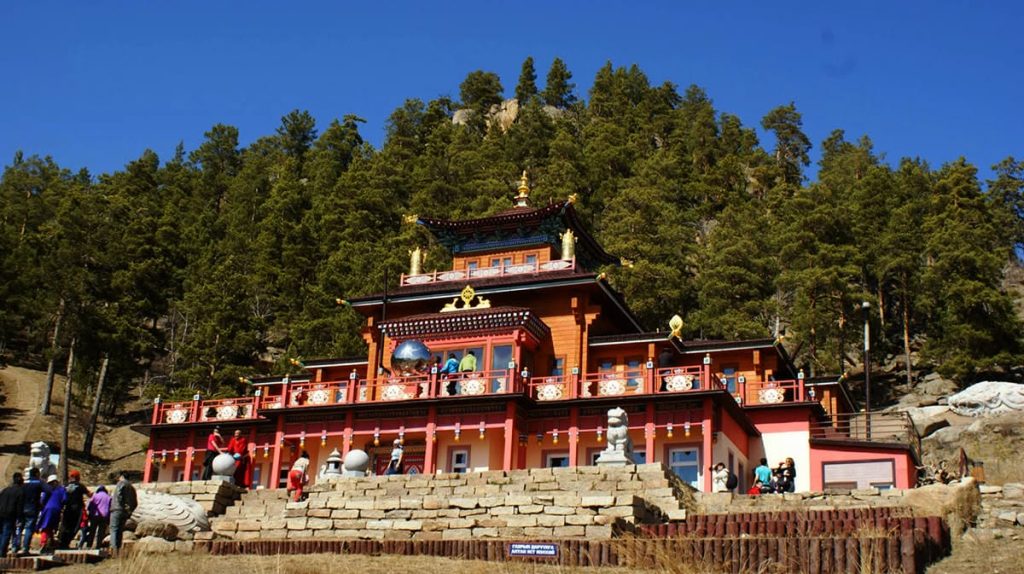
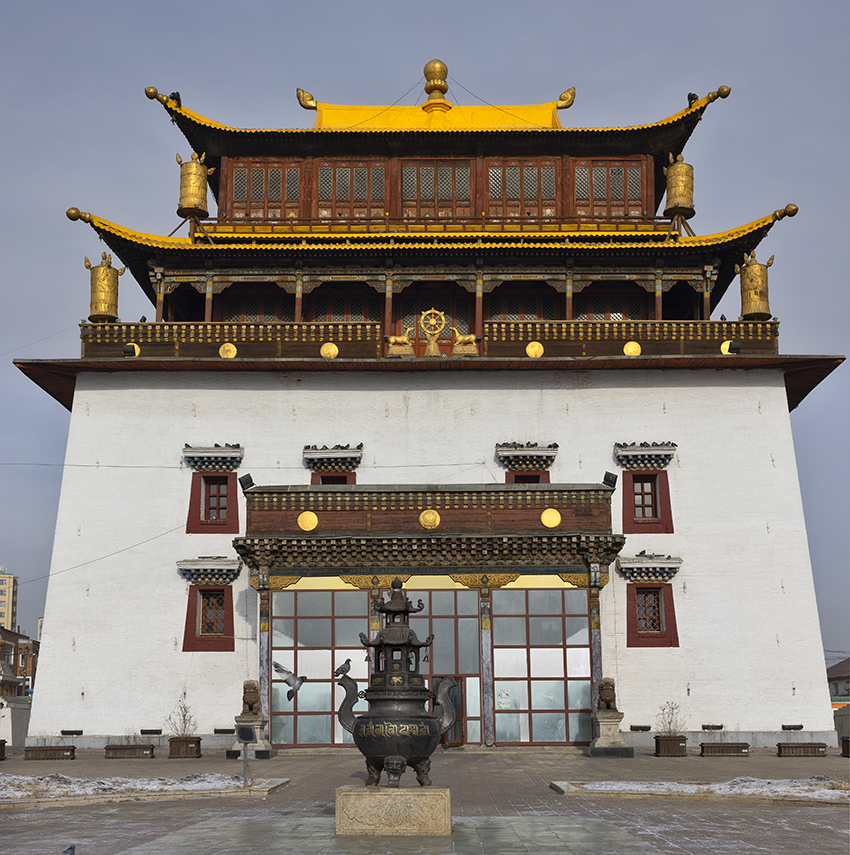
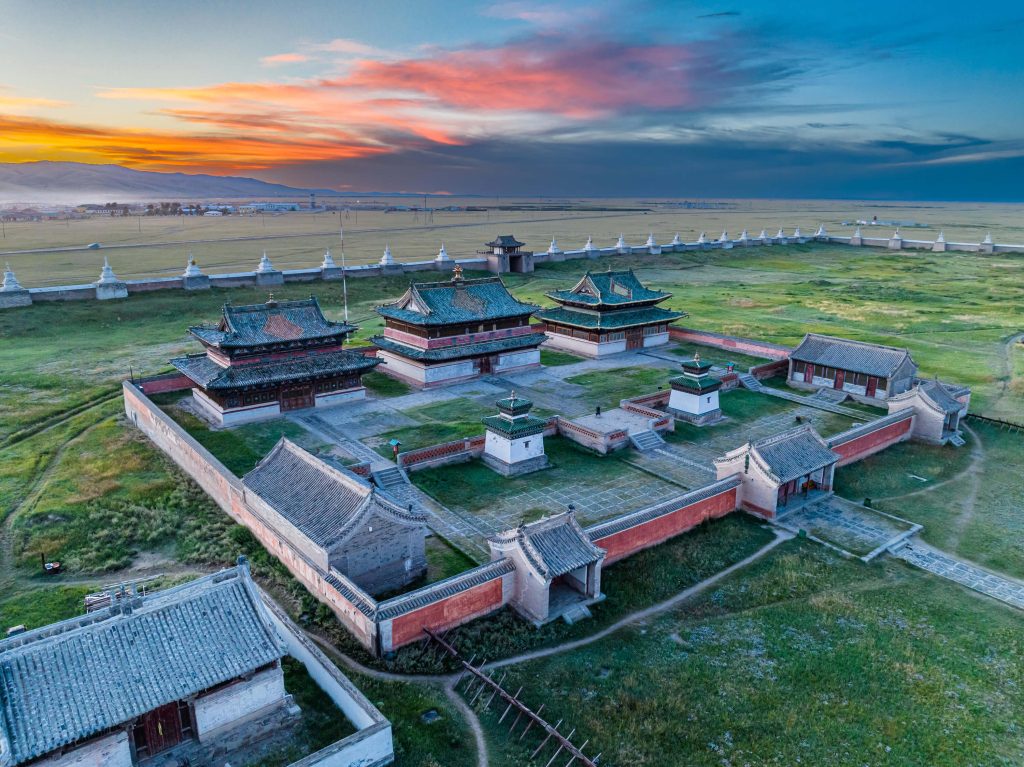
Gandan Monastery: A Symbol of Resilience
Founded in 1838 by the 5th Jebtsundamba Khutughtu, Gandan Tegchenling translates to the “Great Place of Complete Joy.” Located on a hill overlooking Ulaanbaatar, it quickly grew into the nation’s primary center for Buddhist learning, philosophical debate, and monastic life.
During the communist period in the 20th century, hundreds of monasteries across Mongolia were destroyed, and thousands of monks lost their lives or were disrobed. However, Gandan was reopened in 1944 as a operational showcase monastery, preserving invaluable Buddhist traditions, manuscripts, and rituals through decades of strict political oversight.
When Mongolia transitioned to democracy in 1990, Gandan spearheaded the nationwide revival of Buddhist practice and cultural heritage.
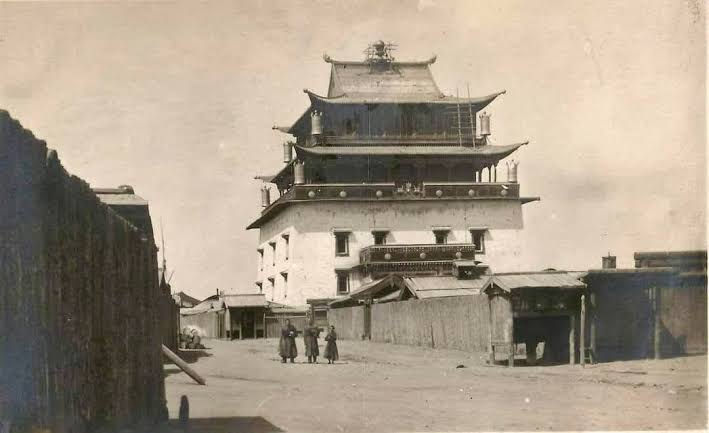
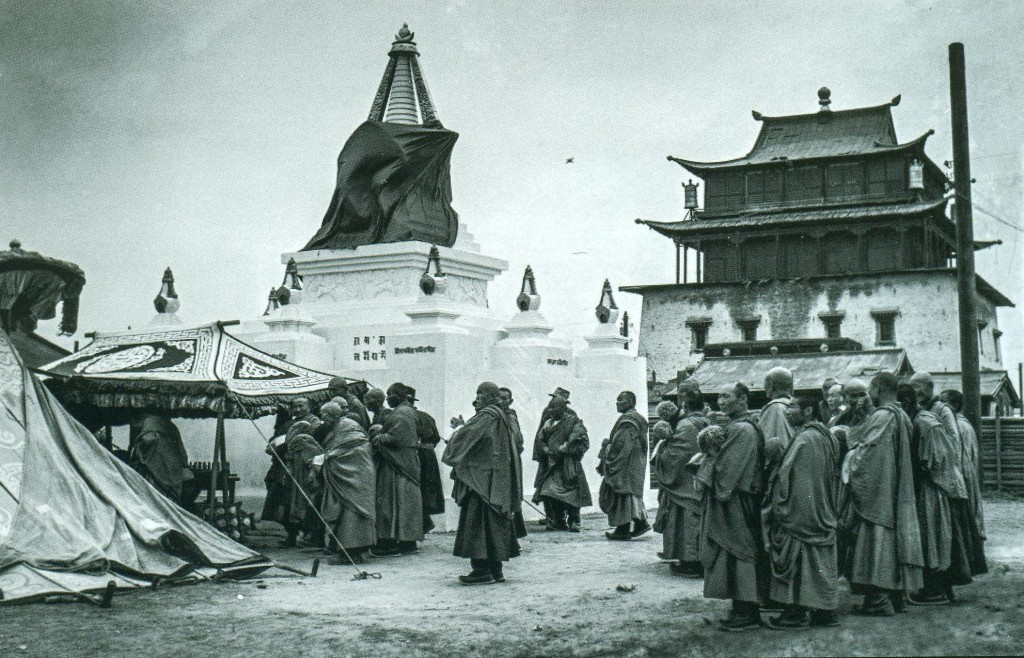
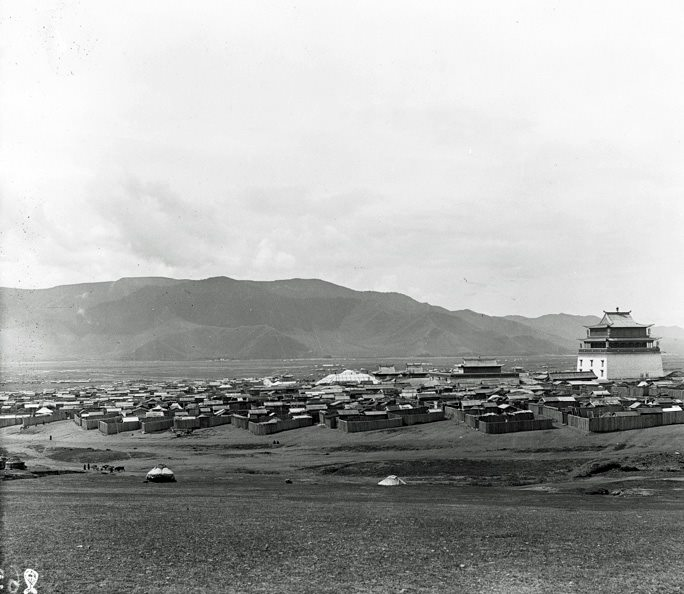
What to See at Gandan Monastery
When visiting the complex today, make sure to explore these key highlights:
1. The Megjid Janraisig Temple
The main sanctuary houses the awe-inspiring Megjid Janraisig (Avalokiteshvara), a gilded statue standing 26.5 meters (87 feet) tall. Rebuilt in the 1990s through public donations, the interior is filled with over 2,000 smaller statues of Avalokiteshvara and intricate Buddhist artwork.
2. Daily Morning Chanting & Rituals
Visitors are welcome to observe the daily chanting sessions where monks recite sutras accompanied by traditional horn calls, drums, and bells. Tip: Arrive between 9:00 AM and 11:30 AM to experience the morning prayers.
3. Prayer Wheels (Mani Wheels)
Flanking the courtyards are hundreds of brass prayer wheels containing sacred mantras. Walking clockwise around the temples and spinning the prayer wheels is a traditional practice believed to bring peace, merit, and good karma.
Visitor Information & Etiquette
To ensure a respectful and rewarding experience, keep these guidelines in mind:
- Opening Hours: Daily from 9:00 AM to 5:00 PM (Prayer schedules may vary).
- Dress Code: Dress modestly. Shoulders and knees should be covered when entering sacred halls.
- Photography: Photography inside temple interiors—especially near active prayer altars—may require a fee or be restricted. Always follow posted signs.
- Cultural Manners: Walk clockwise around stupas, shrines, and prayer wheels. Avoid stepping on the thresholds of temple doorways.
Experience Mongolia’s Spiritual Heritage with H&A Travel
Navigating the deep history and subtle nuances of Mongolian Buddhism is best done alongside local experts. At H&A Travel, our guided Ulaanbaatar city tours and cultural itineraries pair you with knowledgeable local guides, seamless transportation, and authentic cultural encounters.
Whether you are seeking a half-day Ulaanbaatar excursion or a multi-week journey across the steppe, we handle all the details so you can focus on the experience.
Ready to explore Mongolia? H&A Travel to customize your tailor-made itinerary.