

When traveling across the vast, rolling landscapes of Mongolia, the silence of the countryside is occasionally broken by sounds that feel almost otherworldly. Among the most evocative soundscapes on Earth are Khoomei (traditional Mongolian throat singing) and the low, resonant voice of the Morin Khuur (Horse-head Fiddle).
Together, these ancient art forms carry the spirit, history, and natural magic of the Mongolian steppe. For international travelers, experiencing a live performance of Khoomei and the Morin Khuur is often one of the most unforgettable highlights of a journey to Mongolia.
What is Khoomei (Mongolian Throat Singing)?
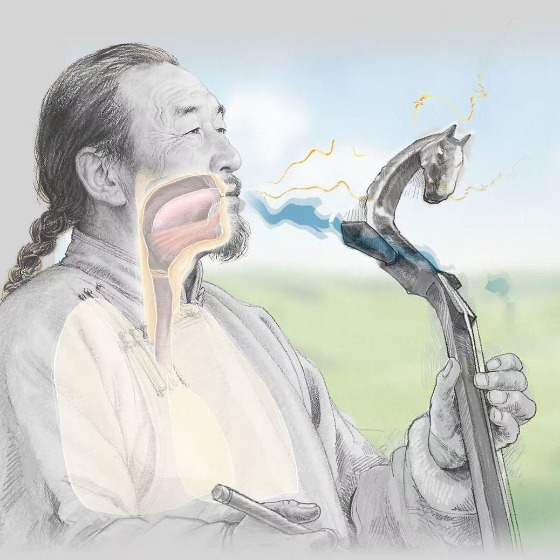
Khoomei (also spelled Höömii) is a unique style of vocalizing where a single singer produces two or more distinct musical pitches simultaneously.
By manipulating the throat, tongue, and chest cavities, the performer produces a low, continuous drone alongside sharp, whistling harmonic overtones. Rather than sung lyrics in the conventional sense, Khoomei is an imitation of the natural world.
The Origins and Styles of Khoomei
Developed by nomadic herders centuries ago, Khoomei was born out of deep respect for nature. Herders would sing to communicate with spirits, pacify animals, or echo the sounds of their surroundings:
- Wind whistling through mountain passes
- Bubbling mountain streams
- The calls of birds and wildlife
- The rhythmic trotting of horses
There are several distinct techniques in Mongolian throat singing, including:
- Kharhiraa: A deep, chesty, guttural tone that resonates low in the throat.
- Isgeree: A high-pitched, flute-like whistle that hovers above the low drone.
- Sygyt: A sharp, piercing style that sounds like wind whipping across high peaks.
The Morin Khuur: Heartbeat of Nomadic Culture
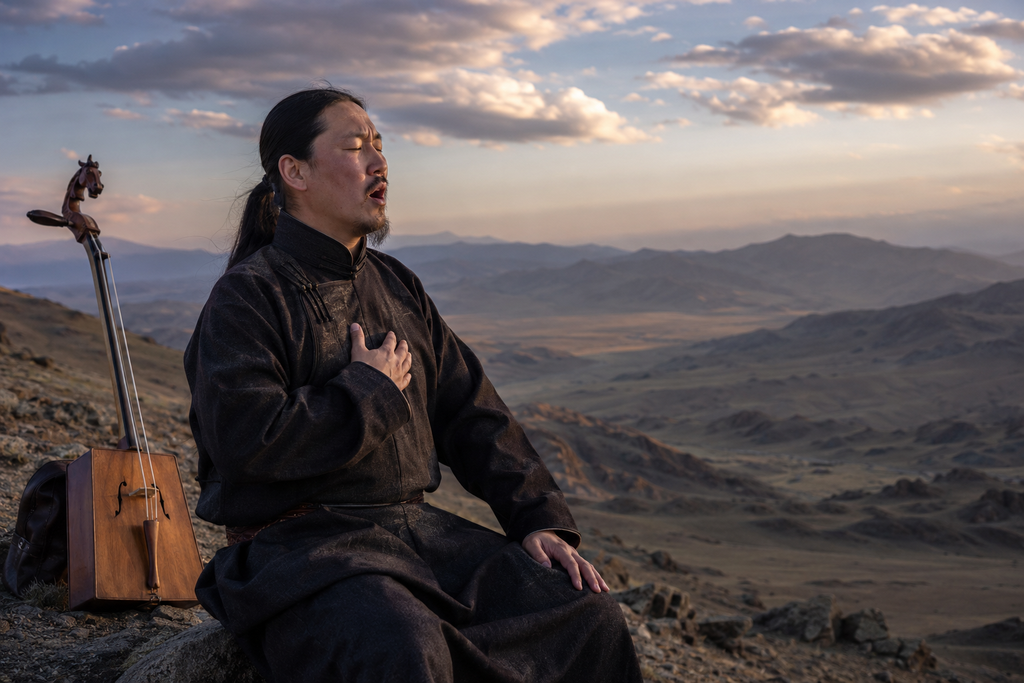
The Morin Khuur, or Horse-head Fiddle, is Mongolia’s national instrument. It features two strings made of horsehair, a trapezoidal body covered in animal hide, and a beautifully carved horse head atop its neck.
According to ancient legend, a heartbroken herder created the first Morin Khuur after the tragic loss of his cherished winged horse. He crafted the instrument using the horse’s bones, skin, and tail hair so that its soul and voice could live on forever.

How Does it Sound?
The Morin Khuur produces a warm, expressive sound similar to a cello, but with a raw, acoustic resonance. A skilled musician can make the instrument imitate:
- The sound of a galloping horse
- A horse’s neigh or whinny
- The gentle breeze across open grasslands
In 2008, UNESCO inscribed the traditional music of the Morin Khuur on the Representative List of the Intangible Cultural Heritage of Humanity.
The Spiritual Role of Music in Nomadic Life
In traditional Mongolian nomadic culture, music is not just entertainment—it is a functional and sacred part of daily life:
- Healing and Animal Care: Herders perform specific Morin Khuur melodies during the spring to soothe mother camels or sheep that have rejected their newborn offspring, encouraging them to nurse.
- Spiritual Connection: Throat singing was historically performed before long journeys or hunts to invoke the protection of Tengri (the eternal sky) and local mountain spirits.
- Storytelling: Bardic songs accompanied by the Morin Khuur have preserved historical epics, heroic legends, and family genealogies across generations.
Where to Experience Live Khoomei & Morin Khuur in Mongolia
If you are planning a trip to Mongolia, here are the best ways to hear these master musicians in person:
1. Cultural Shows in Ulaanbaatar
- Tumen Ekh Ensemble: Located near the city center of Ulaanbaatar, Tumen Ekh offers vibrant nightly performances featuring throat singers, Morin Khuur virtuosos, traditional contortionists, and folk dancers.
- The National Grand Theater of Mongolia: Features large-scale orchestral performances combining Western and traditional Mongolian instruments.
2. Countryside Nomadic Encounters
While stage shows offer world-class technical skill, nothing compares to hearing Khoomei echo inside a cozy Ger (traditional yurt) under a starlit sky or beside a campfire in the countryside.
3. Cultural Festivals
- Naadam Festival (July): Features grand opening ceremonies rich in traditional music, dance, and historical reenactments.
- Local Folk Arts Festivals: Held in regions like Khovd and Western Mongolia, where traditional Khoomei roots run deepest.
Tips for Travelers & Etiquette
- Listen Respectfully: When attending an intimate performance inside a herder family’s ger, listen quietly and allow the singer to complete their piece before applauding.
- Support Local Artists: Purchasing hand-carved souvenirs or official albums directly from performers directly supports the preservation of this intangible heritage.
Plan Your Authentic Mongolian Experience
Hearing the ancient resonance of Khoomei and the Morin Khuur in person is a transformative experience that connects you directly to the soul of the steppe.
Ready to explore the culture, landscapes, and traditions of Mongolia? H&A Travel to customize your private cultural tour or countryside itinerary.