

Introduction
Far beyond the bustling streets of modern cities, across the endless, rolling green steppes of Mongolia, lies a timeless way of life. For thousands of years, Mongolian nomadic herders have thrived in one of the planet’s most extreme environments, moving seamlessly with the changing seasons and living in deep harmony with nature.
For international travelers, experiencing the daily life of Mongolian nomads is a profound cultural encounter. It is a world defined by profound hospitality, ingenious survival skills, seasonal migrations, and a remarkably rich culinary tradition centered around livestock.
In this comprehensive guide, we take you inside the ger to explore the daily rhythms, sacred traditions, ingenious dairy craftsmanship, and seasonal migrations of Mongolian nomads.
1. The Rhythms of the Day: Morning to Evening on the Steppe
Life in a nomadic family begins long before sunrise, dictated entirely by the sun, the weather, and the needs of the animals.
- Early Morning Milking: The day traditionally starts around 5:00 AM. Women and family members head out into the livestock corrals to milk the mares (gүү), cows, sheep, and goats. Milking is a meticulous daily chore performed by hand with immense patience.
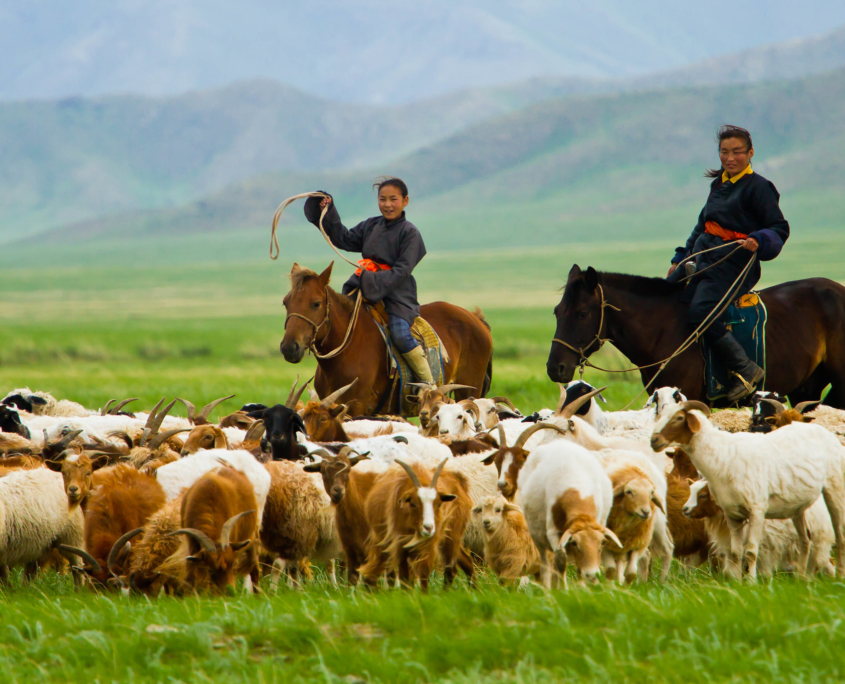
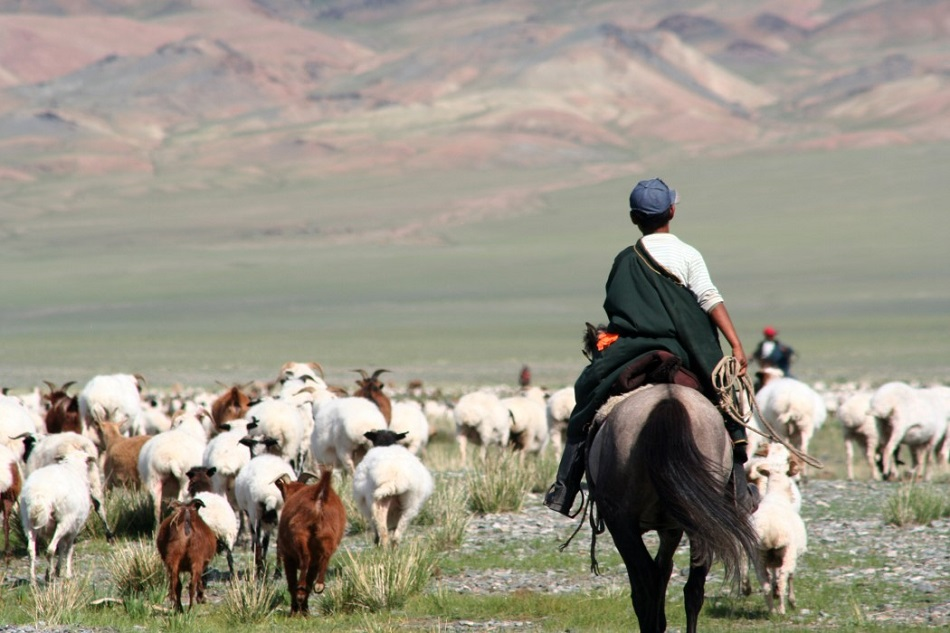
- Herding and Pasture Management: Throughout the day, family members—often riding hardy Mongolian horses or using motorbikes—tend to the herds, guiding them across vast pastures to ensure they find fresh grazing grass and water sources.
- Chopping Wood and Household Chores: Maintaining the hearth is vital. Gathering dried dung (argal) used as fuel for the central iron stove, chopping firewood, and fetching water from nearby wells or streams fill the daytime hours.
- Evening Rest and Community: As dusk falls, the animals are brought back to the camp enclosures to protect them from wolves and nighttime drops in temperature. Families gather inside the ger around the warm stove to share stories, drink salted tea, and plan the following day.
2. The White Feast: Mongolia’s Remarkable Dairy Culture (Tsagaan Idee)
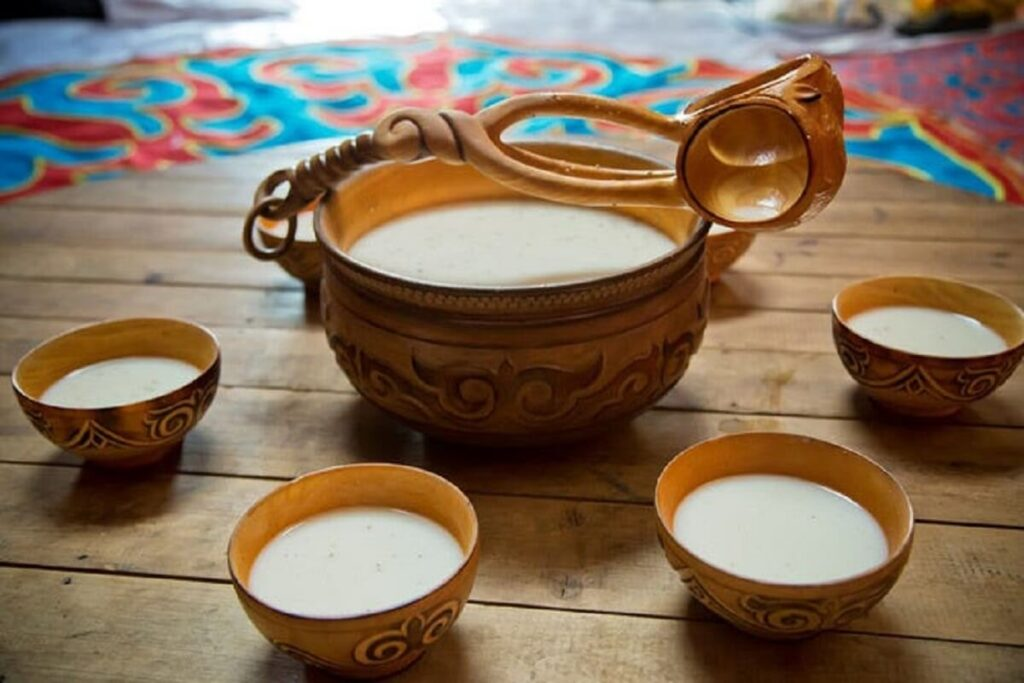
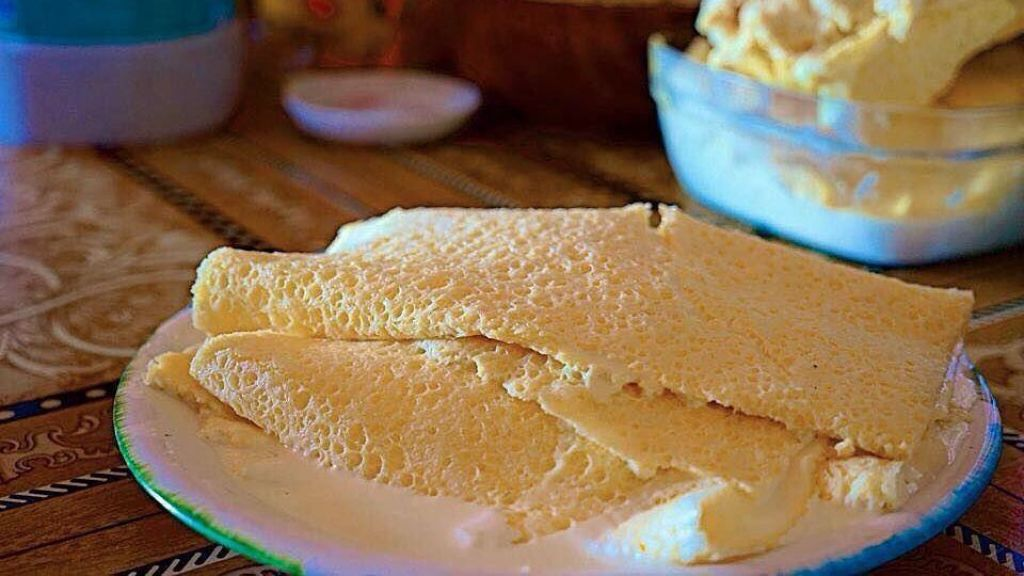
In Mongolian culture, dairy products are known as Tsagaan Idee (“White Food”) and are considered pure, sacred, and symbolic of hospitality, prosperity, and respect. A nomad family may produce dozens of different dairy variations from cow, sheep, goat, and camel milk throughout the year.
- Airag (Fermented Mare’s Milk): The undisputed national drink of Mongolia. Fresh mare’s milk is placed in a large leather bag (khukhuur) and churned repeatedly to ferment. Slightly sour, carbonated, and rich in vitamins, airag is offered to every guest as a sign of welcome.
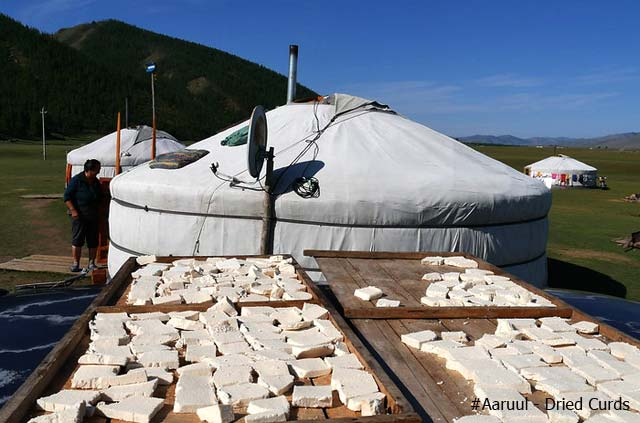
- Aaruul (Dried Curd): Milk is boiled, separated, and the curds are pressed and dried in the sun on top of the ger roof. Aaruul becomes hard, stone-like blocks of nutritious cheese that can last for months or years, serving as an essential trail snack.
- Öröm (Clotted Cream): Created by simmering rich whole milk and letting it cool slowly until a thick, decadent layer of cream rises to the top. It is typically eaten spread on bread or mixed into milk tea.
- Aarts and Eezgii: Aarts is a thick, sour curd cheese used to make nourishing winter soups, while eezgii is caramelized curd made by boiling milk and curds until golden brown.
3. The Four-Season Migration (Nuudel)
True nomadism is defined by movement. To protect fragile pastures from overgrazing and to shield livestock from extreme weather, nomadic families migrate four times a year between seasonal pastures (nutag).
- Spring Migration (Khavarjaa): The most demanding season. Herders assist animals during birthing season (töl), keeping newborn lambs, calves, and foals warm inside or near the ger while moving to sheltered valleys with early grass sprouts.
- Summer Camps (Zuun): The most pleasant time of year. Families move to lush, open plains where grass is abundant, livestock fatten up easily, and airag production reaches its peak.
- Autumn Camps (Namrar): Animals are prepared for the coming winter by grazing on rich late-season pastures. Families mend fences, harvest hay, and butcher meat for cold-weather storage.
- Winter Shelters (Övöljoo): Families retreat to deep, wind-protected mountain ravines or sheltered river valleys where sturdy wooden or stone winter shelters protect the livestock from freezing blizzards and deep snow (dzud).
4. Sacred Traditions, Beliefs, and Worldview
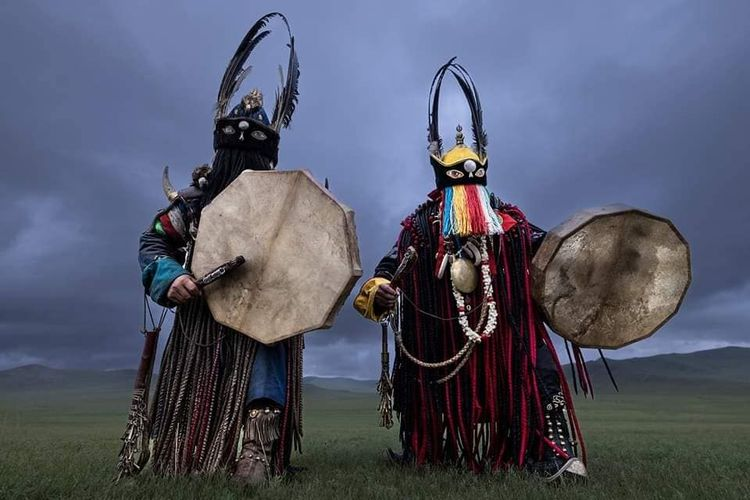
Mongolian nomadic culture is deeply spiritual, blending ancient Shamanism with Tibetan Buddhism. Every aspect of daily life acknowledges the spirits of nature.
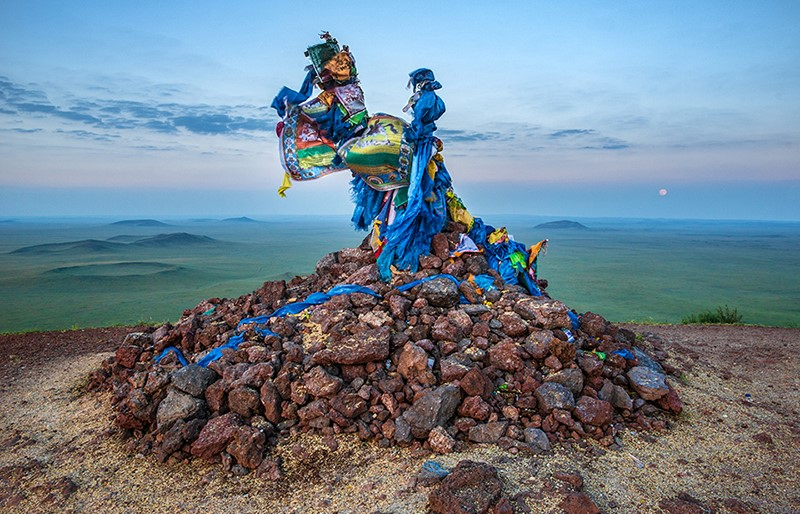
- Reverence for Nature and Ovoos: Stone cairns called ovoos stand atop mountain passes and sacred hills. Travelers and herders walk around them three times clockwise and add stones or blue silk scarves (khadag) to pray for safe journeys and good weather.
- Respect for Fire and Sky: The hearth fire is sacred. Nomads never throw trash, plastic, or dirty items into the fire, and stepping on the threshold of the ger is strictly forbidden as it insults the home’s protector.
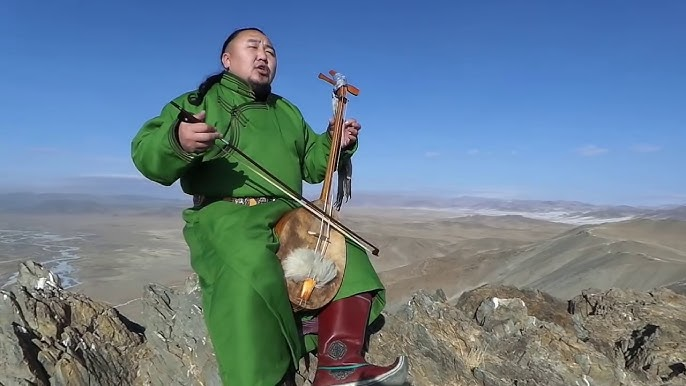
- Music and Storytelling: Evenings inside the ger are often filled with the soulful sounds of the morin khuur (horse-head fiddle), traditional long songs (urtyn duu), and epic folklore tales passed down through generations.
Plan Your Authentic Nomadic Experience with H&A Travel
At H&A Travel, we believe that true travel is about authentic human connection. Our carefully crafted cultural itineraries allow you to stay with welcoming nomadic families, experience genuine daily life, and explore the breathtaking landscapes of Mongolia with expert local guides and private drivers.
Ready to live the nomadic lifestyle? Explore our curated Cultural & Nomad Tour Packages or contact our local travel experts today to book your immersive Mongolian journey!