

Introduction
Nestled in the sweeping expanse of the Orkhon River Valley—a UNESCO World Heritage Site—lies Karakorum (Kharkhorin), the legendary 13th-century capital of the Mongol Empire. Established by Genghis Khan in 1220 and expanded by his successor Ögedei Khan, Karakorum was once the vibrant epicenter of world trade, diplomacy, and religious harmony along the Silk Road.
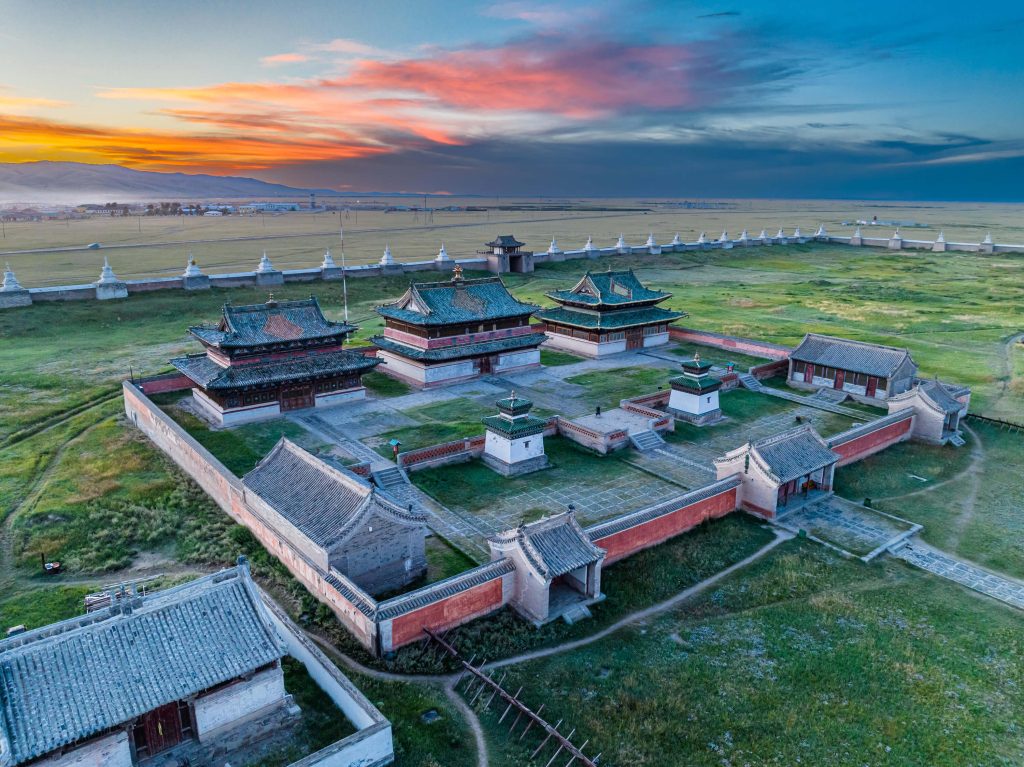
Today, standing near the ancient capital’s foundations is Erdene Zuu Monastery, Mongolia’s oldest surviving Buddhist monastery. Surrounded by an iconic white wall studded with 108 stupas, Erdene Zuu remains one of Mongolia’s most sacred and visually striking cultural landmarks.
Whether you are a history enthusiast, a cultural seeker, or an overland adventurer, a visit to Karakorum and Erdene Zuu Monastery is an absolute must-add to your Mongolian travel itinerary. In this ultimate travel guide, we’ll cover everything you need to know—from rich history and top sights to travel logistics, ger camp stays, and visitor etiquette.
The History & Significance: From World Empire to Spiritual Sanctuary
Karakorum: Capital of the Pax Mongolica
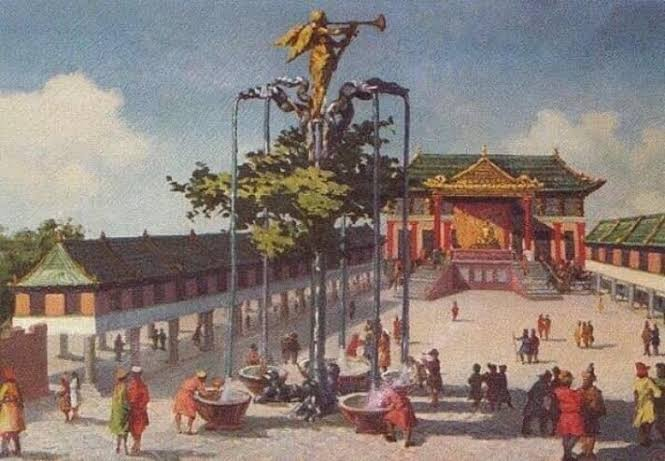
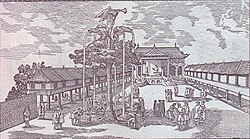
In the 13th century, Karakorum was unlike any other city on Earth. As the administrative heart of the vast Mongol Empire, it brought together diplomats, scholars, artisans, and traders from Europe, the Middle East, and East Asia. Famed for its religious tolerance, ancient Karakorum housed Buddhist temples, Christian churches, Islamic mosques, and shamanic shrines side-by-side. The legendary Silver Tree fountain, crafted by a Parisian goldsmith at Ögedei Khan’s palace, bubbled with wine, mead, and fermented mare’s milk (airag) to welcome foreign emissaries.
Though the city was destroyed in the late 14th century after the imperial court moved to Khanbaliq (modern-day Beijing), its legacy lives on beneath the rolling grasslands of the Orkhon Valley.
Erdene Zuu Monastery: The Birthplace of Northern Buddhism
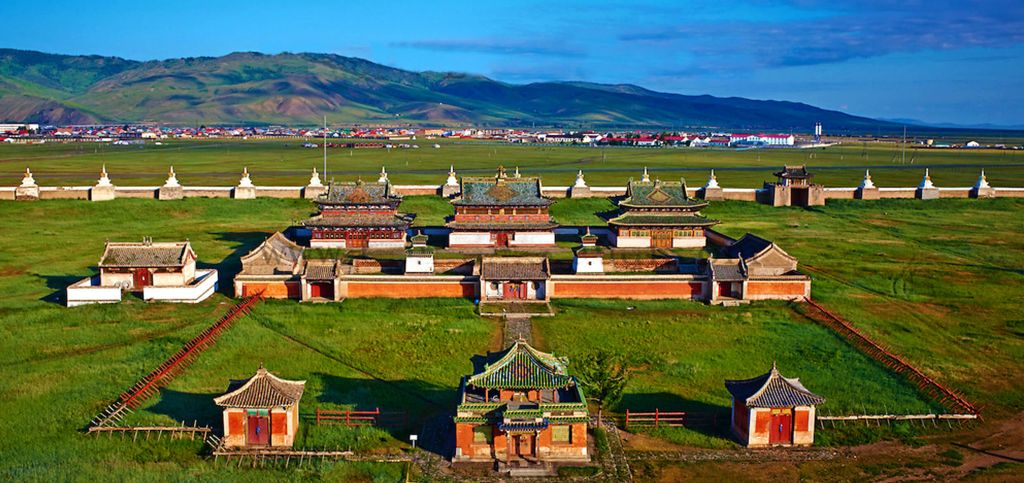
In 1586, Abtai Sain Khan, ruler of the Khalkha Mongols, established Erdene Zuu Monastery near the ruins of Karakorum to mark the revival of Tibetan Buddhism in Mongolia. Built using stone blocks recovered from the ancient imperial capital, Erdene Zuu grew into a massive monastic complex with over 60 temples and thousands of resident monks at its peak.
Despite surviving periods of political turmoil and destruction in the 20th century, key structures were preserved. Today, Erdene Zuu functions both as an active place of worship and an open-air museum showcase of Tibetan and Chinese-influenced Mongolian architecture.
Top 5 Things to See in Karakorum & Erdene Zuu
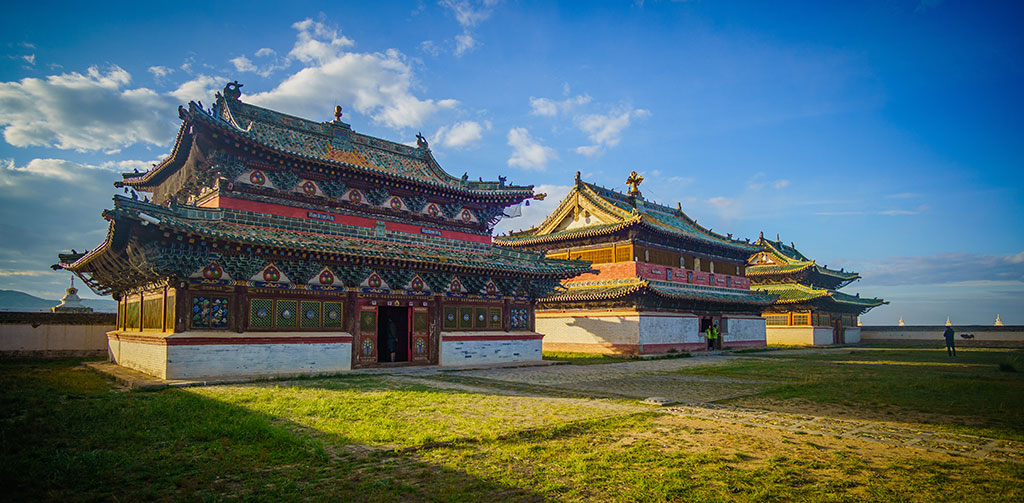
1. Erdene Zuu Monastery Complex & The 108 Stupas
The monastery is encircled by an impressive 400×400 meter square wall featuring 108 white stupas (sacred Buddhist monuments representing 108 beads on a Buddhist rosary). Inside the complex, you can explore:
- The Three Zuu Temples (West, Main, and East): Beautifully preserved temples housing ancient Buddha statues, intricate thangka paintings, and Tsam dance masks.
- Lavran Temple: An active Tibetan-style temple where you can hear young monks chanting morning prayers and blowing traditional conch shells.
2. The Karakorum Museum (Kharkhorin Museum)
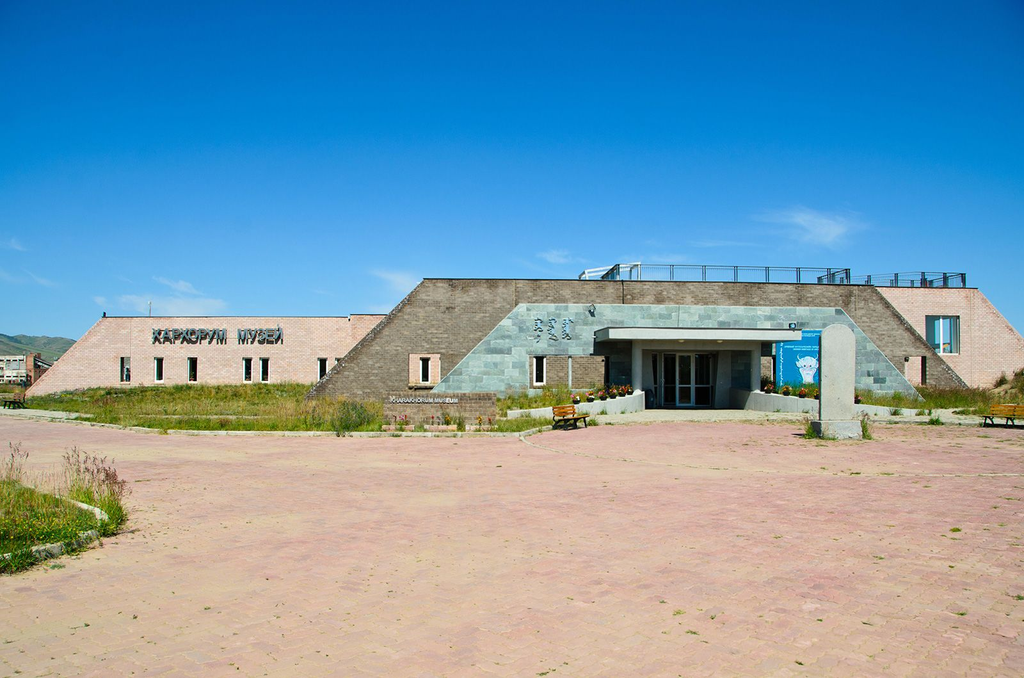
Located just a short walk from Erdene Zuu, the Karakorum Museum is one of Mongolia’s finest archaeological museums. Jointly developed by Mongolian and German researchers, it houses remarkable artifacts excavated from the ancient capital, including 13th-century coins, ceramics, metalwork, and detailed scale models of ancient Karakorum.
3. The Great Imperial Map Monument
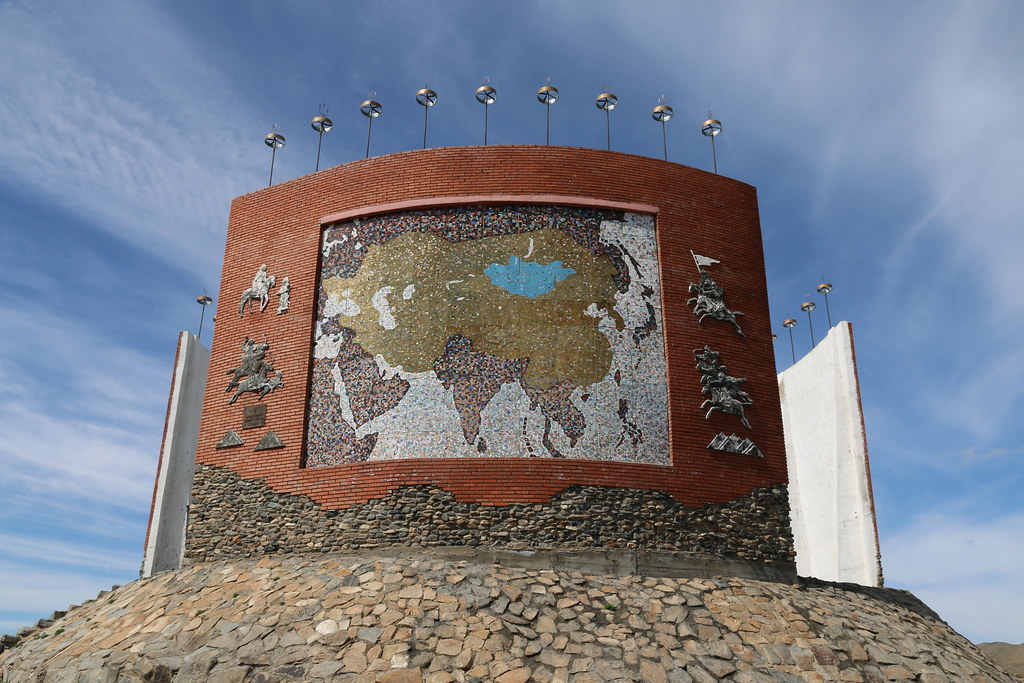
Perched on a hill overlooking Kharkhorin town and the Orkhon River, this monument features three large stone mosaics illustrating the three great empires that ruled from the Orkhon Valley: the Hunnu (Xiongnu), the Turkic Khaganate, and the Mongol Empire. It offers panoramic views—perfect for sunset photography.
4. The Ancient Stone Turtles (Turtle Rocks)
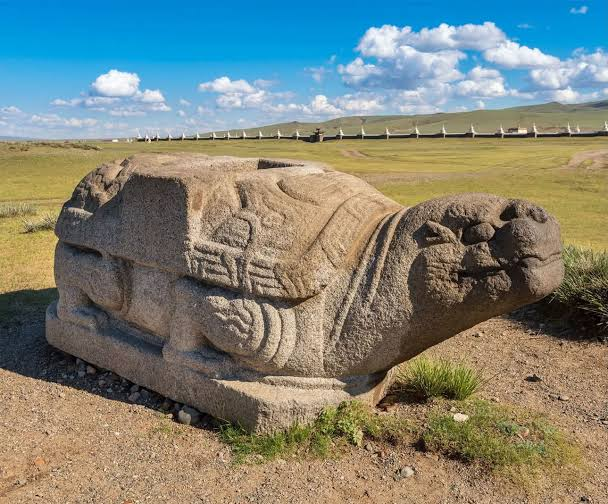
Four stone tortoises once guarded the cardinal directions of Karakorum, symbolizing longevity and protection for the imperial city. Two of these original stone turtles remain near Erdene Zuu Monastery today and serve as tangible links to Genghis Khan’s era.
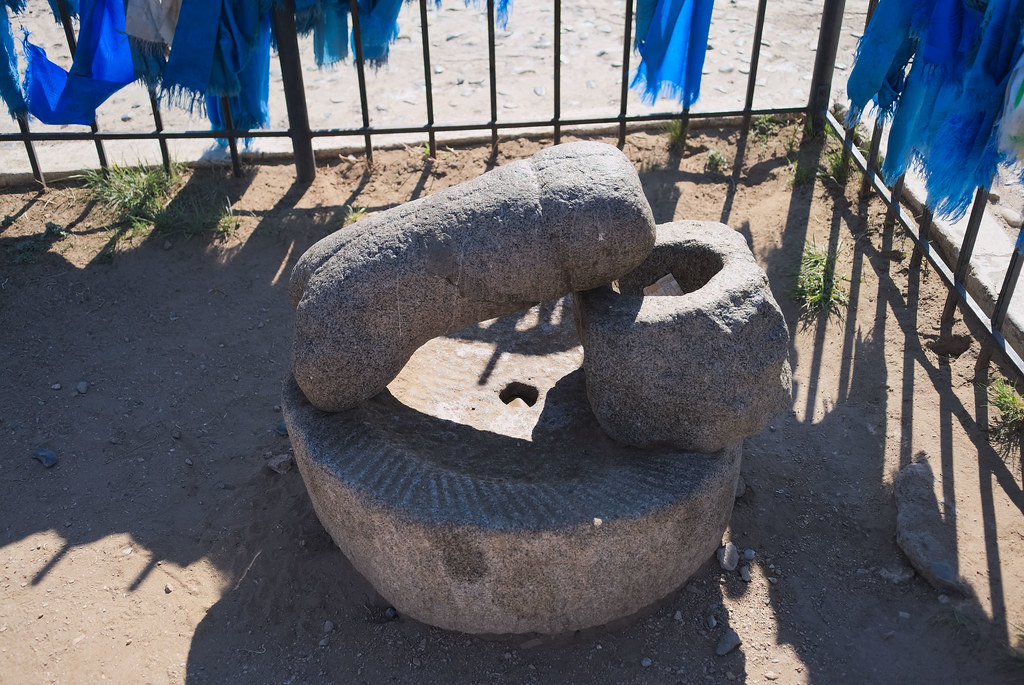
5. Kharkhorin Phallic Rock
Located in a small valley near Erdene Zuu, this ancient stone carving has a unique local story. According to legend, it was placed by senior monks to remind young novitiates to maintain their vows of celibacy and curb worldly desires.
Best Time to Visit Karakorum & Weather Tips
- Summer (June – August): 20°C to 28°C (68°F–82°F) — Lush green landscapes, ideal for ger stays and outdoor activities. Peak tourist season.
- Shoulder Seasons (May & September): 5°C to 18°C (41°F–64°F) — Crisp weather, fewer crowds, excellent conditions for cultural sightseeing.
- Winter (October – April): -15°C to -5°C (5°F–23°F) — Quiet, serene, snow-covered steppe. Requires heavy winter preparation.
How to Get to Karakorum from Ulaanbaatar
Karakorum (Kharkhorin) is located in Arkhangai/Övörkhangai province, approximately 360 kilometers (223 miles) southwest of Ulaanbaatar. The journey takes around 5 to 6 hours on paved roads.
Travel Options:
- Private Vehicle & Driver (Recommended): Hiring a comfortable 4×4 or private tour van (such as a Toyota Hiace or Alphard) with an experienced driver offers maximum comfort, flexibility, and safety. This allows you to stop at Elsen Tasarkhai (Mini Gobi) along the way for camel riding and sand dune exploration.
- Guided Tour Package: Joining a multi-day cultural tour ensures hassle-free arrangements including private transfers, English-speaking guide, meals, and ger camp bookings.
- Public Express Bus: Buses depart daily from Ulaanbaatar’s Dragon Bus Terminal to Kharkhorin town. While economical, it offers limited flexibility for stops along the route.
Where to Stay in Karakorum: Traditional Ger Camps
For an authentic Mongolian experience, staying in a traditional Ger Camp along the Orkhon River is highly recommended. Modern ger camps offer cozy felt-insulated gers equipped with comfortable beds, wood-burning stoves, attached or central modern bathroom facilities, hot showers, and dining gers serving traditional Mongolian and international cuisine.
Popular ger camps near Kharkhorin provide stunning views of the surrounding steppe and easy access to Erdene Zuu Monastery.
Essential Etiquette & Visiting Tips for Foreign Tourists
To ensure a respectful visit to Erdene Zuu Monastery, please keep the following guidelines in mind:
- Walk Clockwise: Always walk clockwise around stupas, prayer wheels, and temple halls.
- Dress Respectfully: Wear clothing that covers your shoulders and knees inside active temples.
- Remove Hats and Sunglasses: Take off headwear before entering temple shrines.
- Photography Rules: Photography is allowed in the outer courtyard, but paid permits or strict no-photo rules apply inside certain temple interiors containing sacred artifacts.
- Respect the Monks: Do not disturb or interrupt monks during prayer sessions or daily routines.
Nearby Attractions to Combine with Your Trip
To make the most of your central Mongolia itinerary, combine your Karakorum visit with these surrounding destinations:
- Elsen Tasarkhai (Mini Gobi): Ride two-humped Bactrian camels and hike golden sand dunes (located just 80 km before Karakorum).
- Orkhon Waterfall (Ulaan Tsutgalan): A scenic 24-meter waterfall ideal for hiking, horseback riding, and nomadic homestays.
- Tuvkhun Monastery: A tranquil hilltop monastery founded by Zanabazar, accessible via a short forest hike.
- Hustai National Park: Spot wild Takhi horses (Przewalski’s horses) in their natural habitat on your return drive to Ulaanbaatar.
Book Your Karakorum Cultural Tour with H&A Travel
At H&A Travel, we specialize in crafting unforgettable, high-quality travel experiences across Mongolia. Whether you are seeking a private luxury tour, a multi-day cultural excursion, or comfortable private vehicle transfers with local drivers, our team in Ulaanbaatar is ready to design your dream itinerary.
Ready to explore the ancient capital of the Mongol Empire? Explore our curated Central Mongolia Tour Packages or contact our local travel experts today to start planning your custom Mongolian adventure!