
Hotel Pickup
Meet your driver and guide at your hotel and begin your sightseeing tour of Ulaanbaatar.
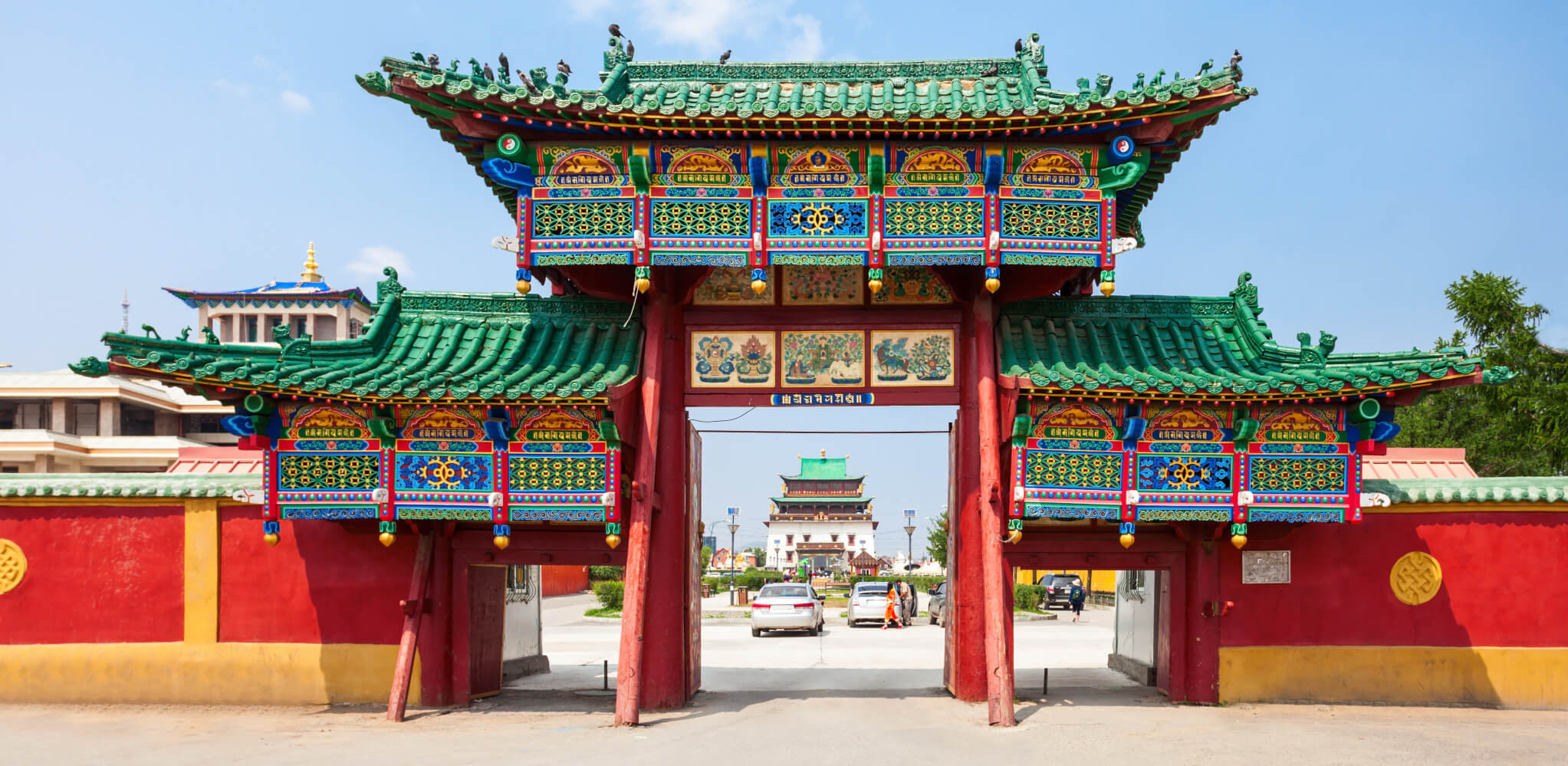
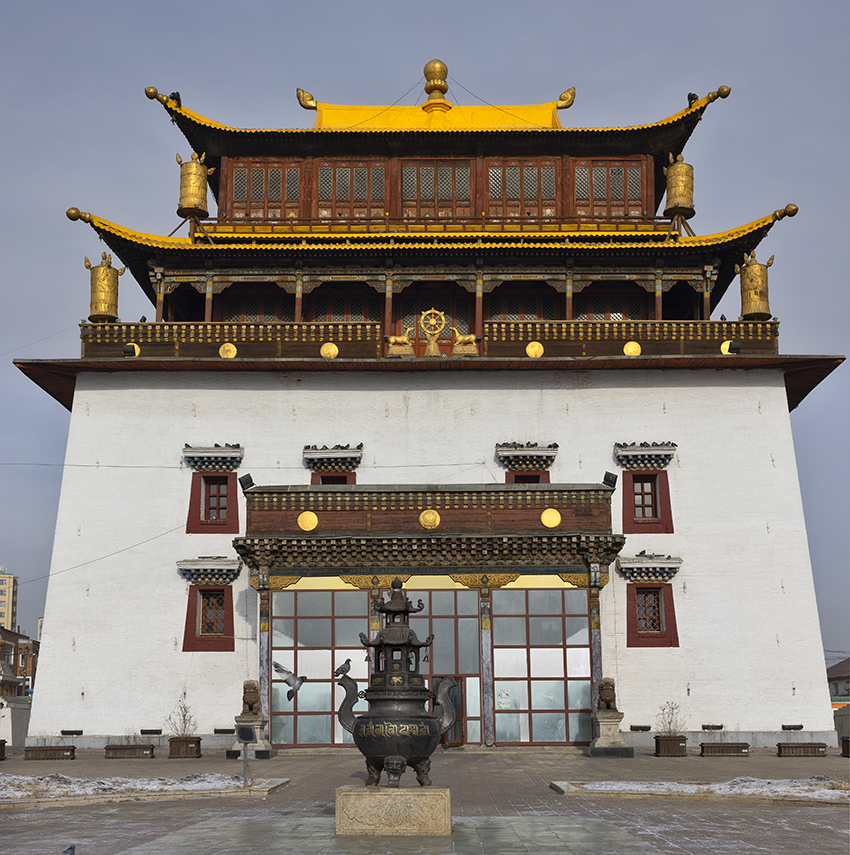
Gandantegchinlen Monastery
Visit Gandan Monastery, one of Mongolia’s most important Buddhist monasteries, and discover its spiritual atmosphere and religious traditions.
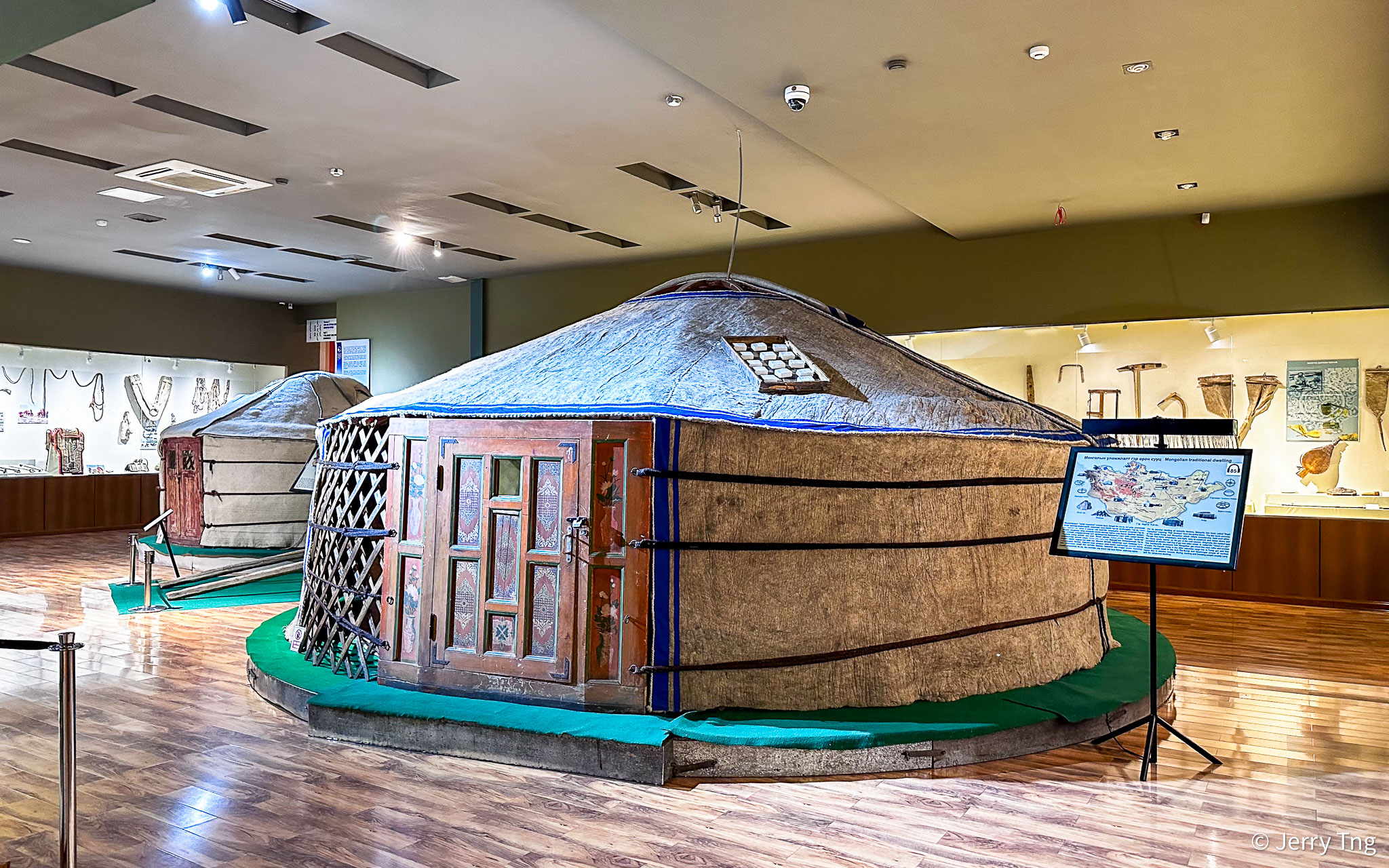
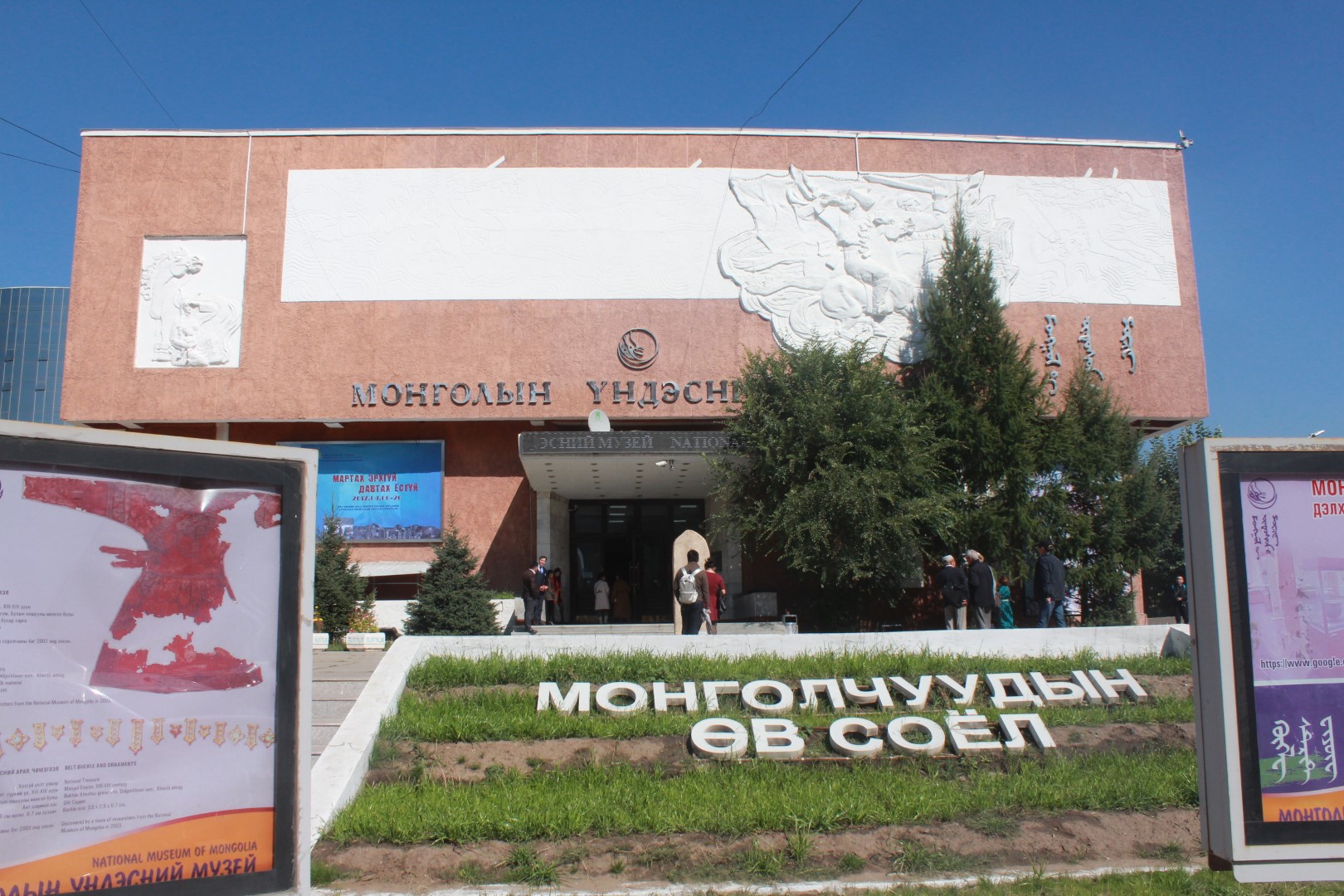
National Museum of Mongolia
Explore Mongolia’s history, culture, and nomadic heritage through exhibits showcasing the country’s rich past.
Zaisan Hill
Head to Zaisan Hill and enjoy panoramic views of Ulaanbaatar and the surrounding landscape.
Drive to Terelj National Park
Leave the city behind and travel toward the beautiful countryside of Terelj, known for its dramatic rock formations and open landscapes.
Chinggis Khaan Statue Complex
Visit the impressive equestrian statue of Chinggis Khaan and learn about the legacy of Mongolia’s legendary leader. Take photos and enjoy the surrounding scenery.
Lunch at a Tourist Camp
Take a break and enjoy lunch at a tourist camp before continuing your exploration of Terelj National Park.
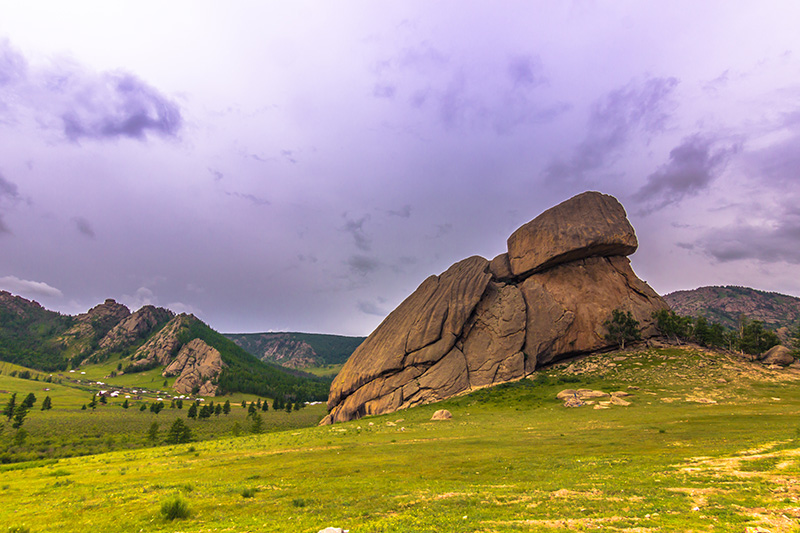
Turtle Rock
Visit Terelj’s famous Turtle Rock, a remarkable natural formation. Enjoy the scenery and take memorable photos.
Aryabal Meditation Temple
Visit Aryabal Meditation Temple, a peaceful Buddhist retreat surrounded by the beautiful mountains of Terelj. Enjoy the tranquil atmosphere and scenic views.
Nomad experience & Nomad dinner
Visit a local nomadic family and try on a traditional Mongolian deel and experience. Enjoy a home-style Mongolian dinner.
Horse Riding
Enjoy a 30-minute horseback riding experience with guidance from the local family.
Return to Ulaanbaatar
After your nomadic family experience, relax on the drive back to Ulaanbaatar. Drop-off at your hotel concludes your full-day city and countryside tour.
Included
- ✓ English-speaking guide
- ✓ Shared transportation
- ✓ All entrance fees
- ✓ Lunch & Dinner
- ✓ Half hour horse riding
- ✓ Traditional Mongolian costume experience
- ✓ Hotel pickup and drop-off
Excluded
- ✕ Tips
- ✕ Personal expenses
- ✕ Extra costs
- ✕ Drinks
Important Things to Know Before You Go
Clothing
Long-sleeved sun-protective shirts, Warm layers for night
Shoes
Comfortable walking shoes, Sandals for relax camp
Sun protect
Sunscreen, Lip balm, Hand cream
Water
at least 2 bottle of water
Cash
Some places may not accept card payments, so please bring a small amount of cash
Extra
Powerbank, Extra camera battery, Wet wipes, Some medicians
Places You Will Visit
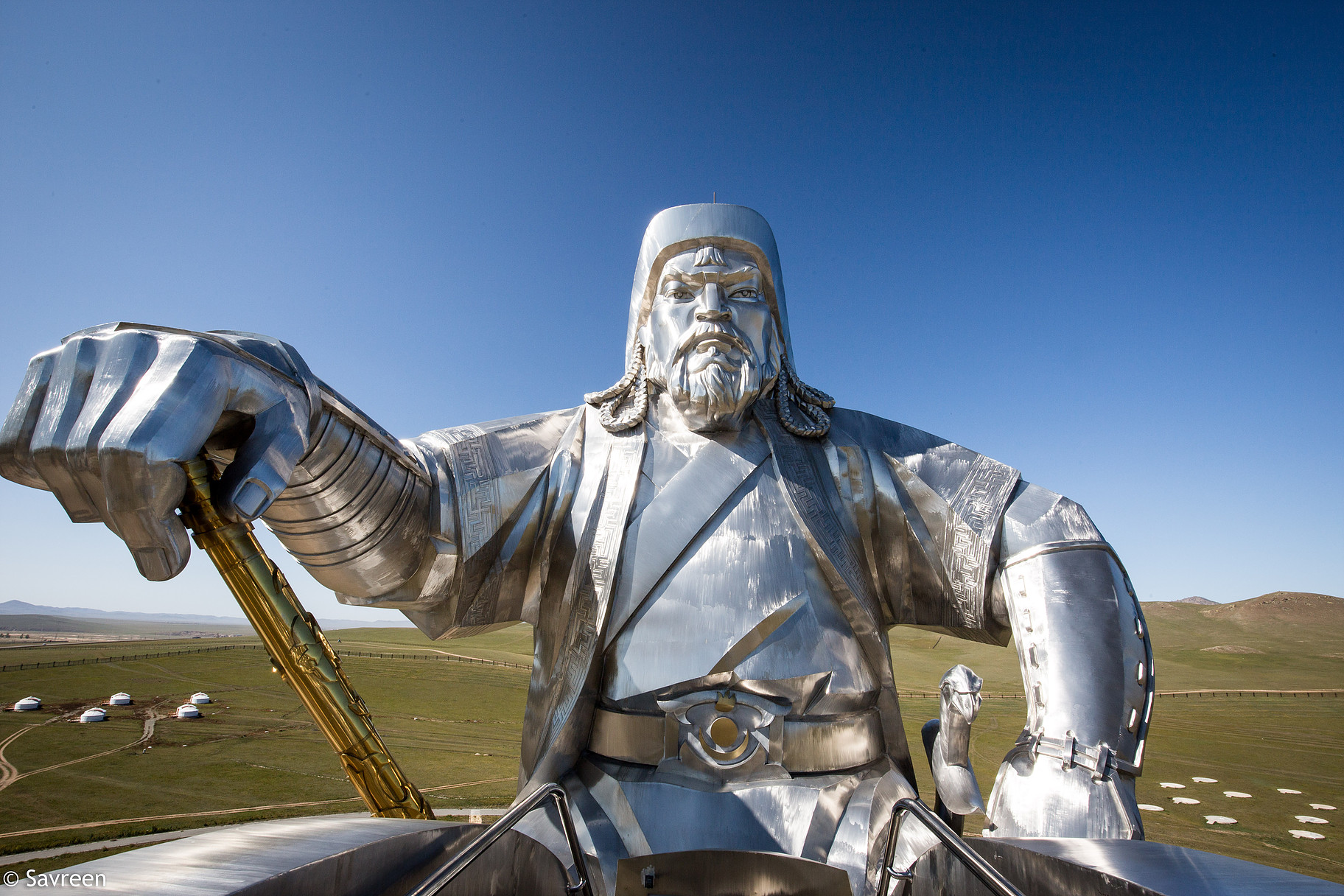
The statue is approximately 40 meters tall, including its base, and is one of Mongolia’s most iconic landmarks. Made from 250 tons of stainless steel, it depicts Genghis Khan proudly riding his horse and looking toward the horizon.
Visitors can take an elevator inside the monument and climb stairs to the horse’s head for spectacular panoramic views of the surrounding Mongolian steppe. The complex also features a small museum, souvenir shops, and a restaurant.
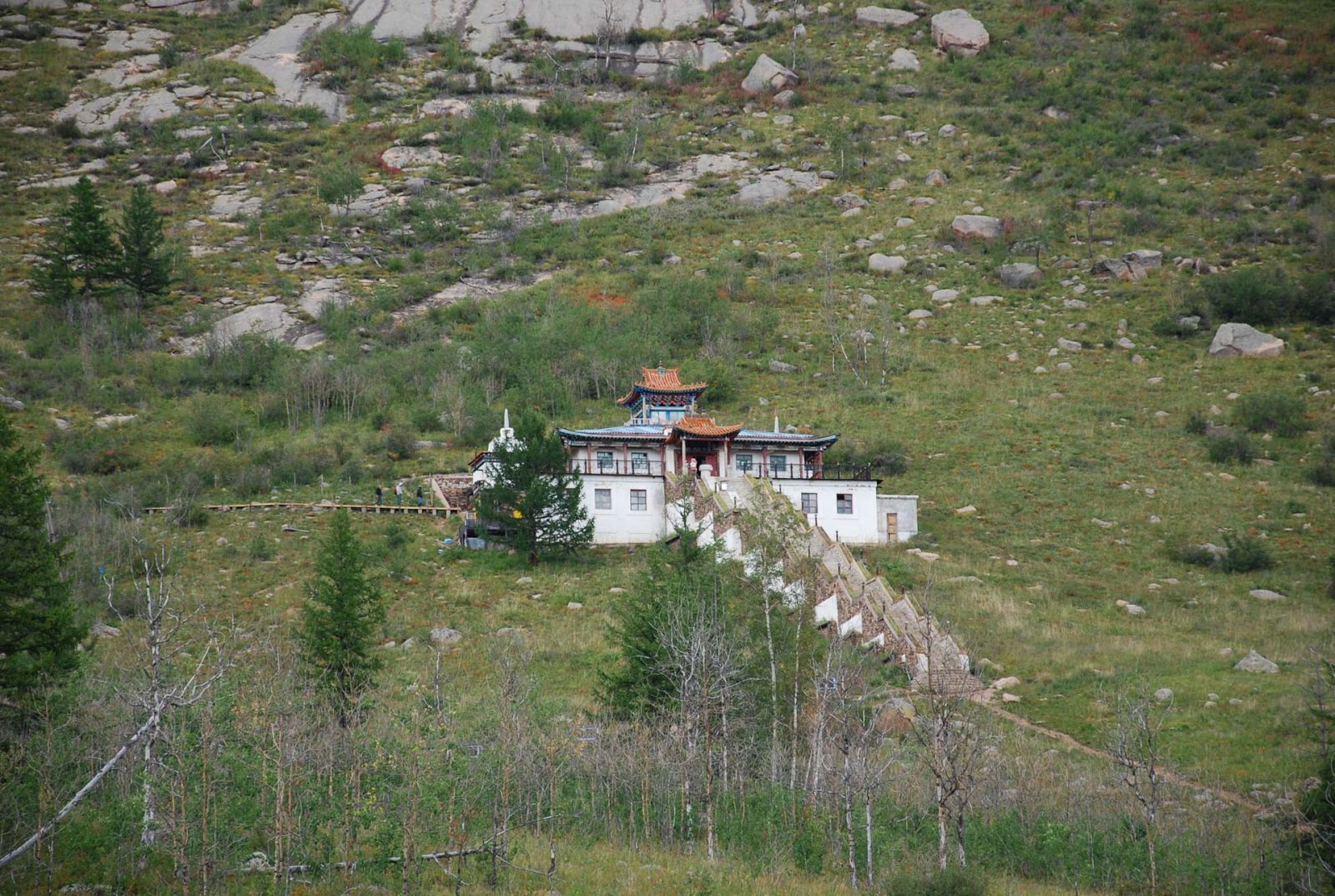
Set among the mountains of Gorkhi-Terelj National Park, the temple is reached by climbing 108 + 8 stone steps carved into the rocky hillside. According to Buddhist belief, reciting “Om Mani Padme Hum” with each step helps cleanse one’s sins and bring inner peace.
The site was chosen after a Tibetan lama reportedly recognized its natural springs and spiritual energy, making it an ideal place for meditation and spiritual practice.
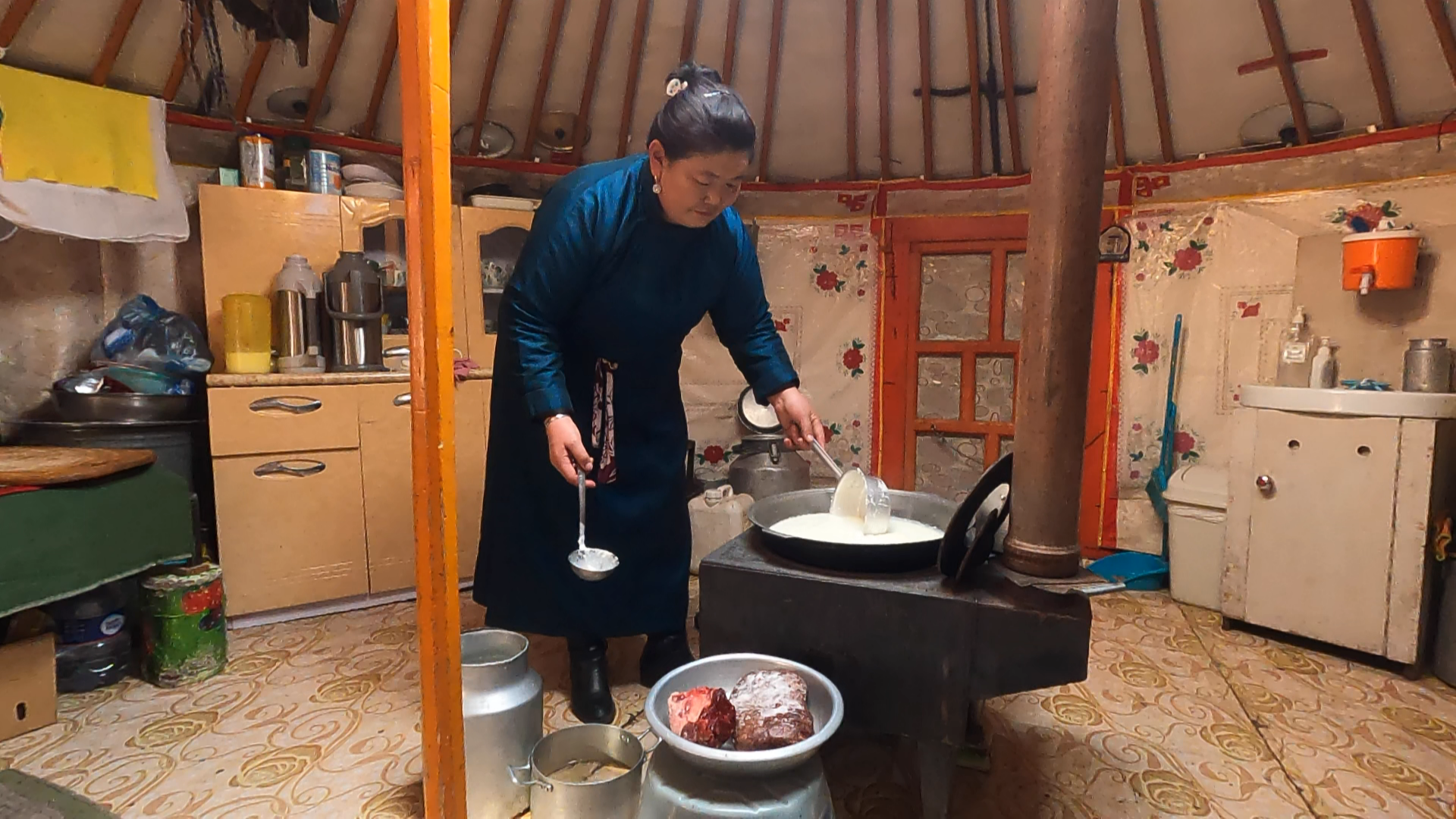
Visitors can experience authentic nomadic life, observe daily routines and livestock herding, and learn how traditional dairy products are made.
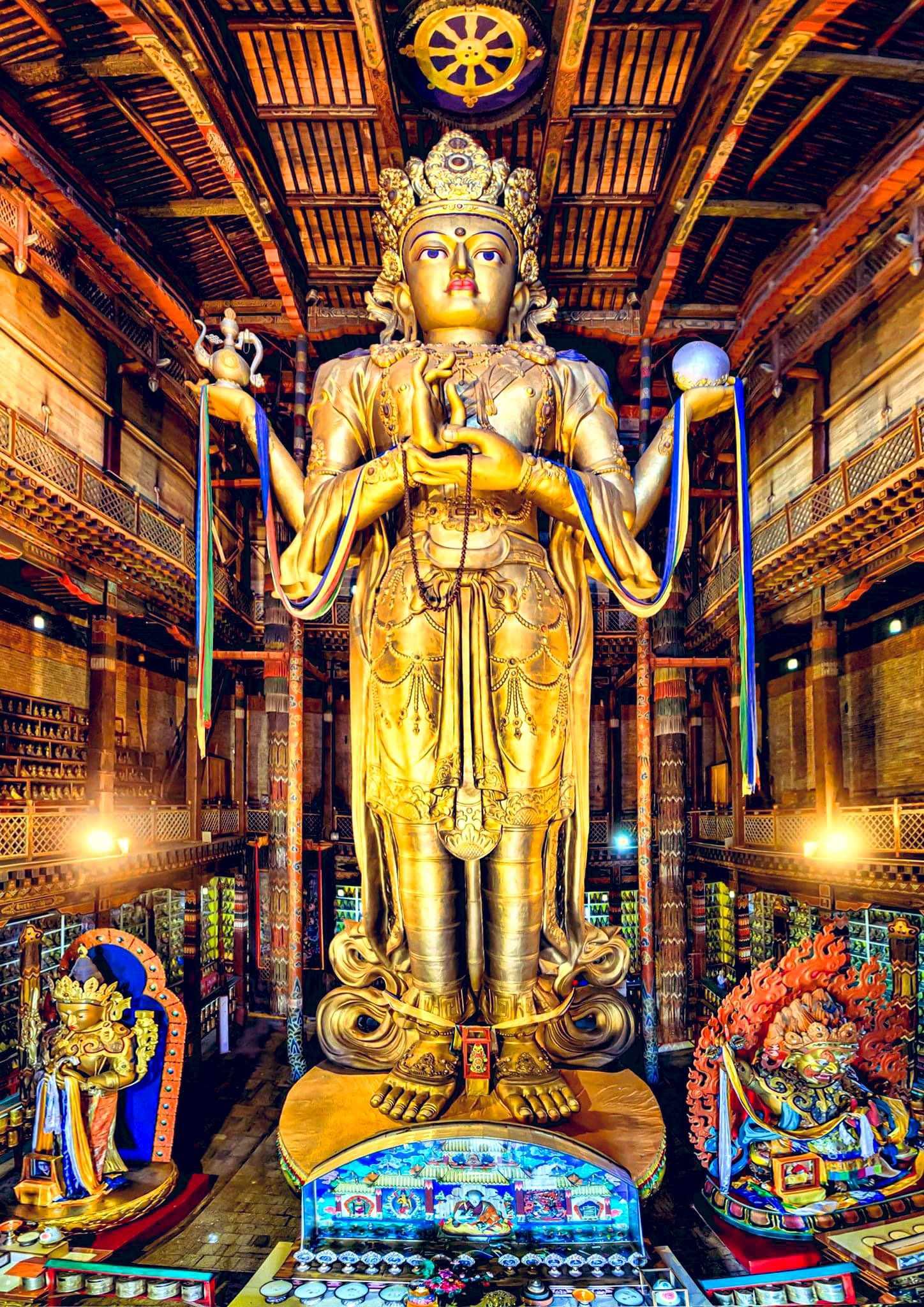
The monastery’s most remarkable attraction is the Migjid Janraisig Statue, a magnificent representation of Avalokiteshvara, the Bodhisattva of Compassion. In Buddhist belief, this deity listens to the prayers of all living beings and symbolizes compassion, mercy, and the wish to relieve suffering.
The original statue was commissioned in 1911 by Bogd Khan, Mongolia’s spiritual leader at the time. Standing 26.5 meters tall, it was made using gold, silver, copper, and precious stones. However, the statue disappeared during the religious purges of the 1930s.
Following Mongolia’s transition to democracy, the statue was recreated through public donations and unveiled on September 20, 1996. The new statue was crafted using approximately 19 tons of copper, decorated with 2,286 precious stones and around 76,000 pieces of gold leaf.
Today, visitors can admire this impressive work of Buddhist art and learn about Mongolia’s spiritual heritage and the enduring importance of compassion in Buddhist teachings.
Its exhibitions span from the Paleolithic Age, when humans first inhabited the region, to the present day. Across 10 exhibition halls, visitors can explore archaeological discoveries, traditional customs, ethnic cultures, historical artifacts, and the evolution of Mongolian society.
The museum houses more than 50,000 artifacts and preserves over 30% of the museum collections in Mongolia, making it an important center for historical research, education, and cultural preservation.
Modern museum development in Mongolia began in 1924, with the first exhibition opening at the Winter Palace of Bogd Khan. The collection later expanded into the State Central Museum in 1956, bringing together artifacts related to Mongolian history, ethnography, art, natural history, and paleontology.
Today, the National Museum of Mongolia offers visitors a fascinating introduction to the country’s past and the traditions that continue to shape Mongolian life.
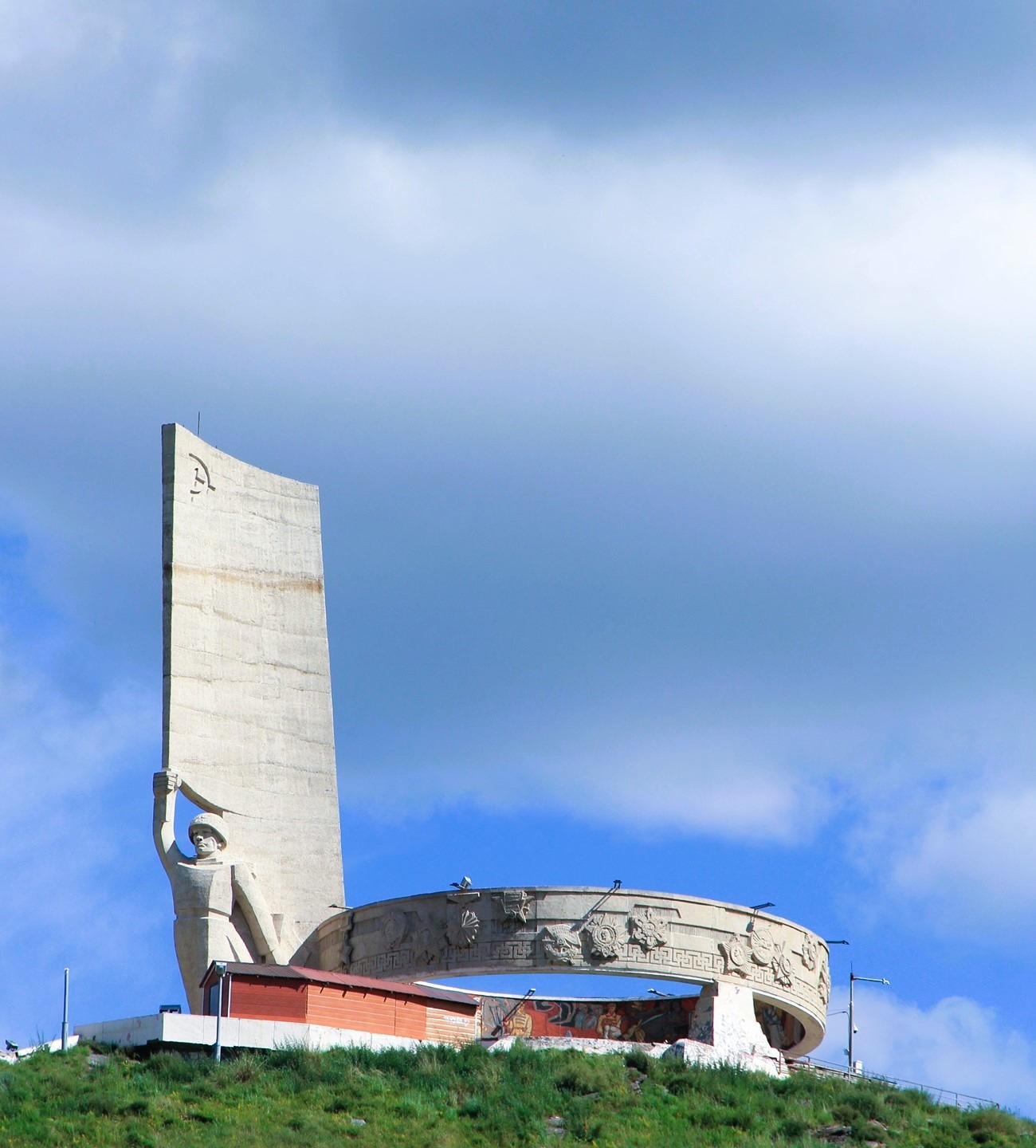
The hill is best known for the Zaisan Memorial, built in 1971 to commemorate Soviet soldiers who died during World War II and to mark the 50th anniversary of Mongolia’s 1921 People’s Revolution. The circular memorial features colorful murals depicting important moments in Mongolian and Soviet history, including their military alliance and shared wartime experiences.
At the foot of the hill, visitors can also see a Soviet tank memorial honoring the Mongolian people’s contribution to the war effort. Together, these monuments offer insight into Mongolia’s 20th-century history and its former relationship with the Soviet Union.
Today, Zaisan Hill is both a historical landmark and a favorite leisure destination for locals and tourists. Climbing the steps to the memorial rewards visitors with beautiful views of Ulaanbaatar, making it an ideal place for sightseeing and photography.
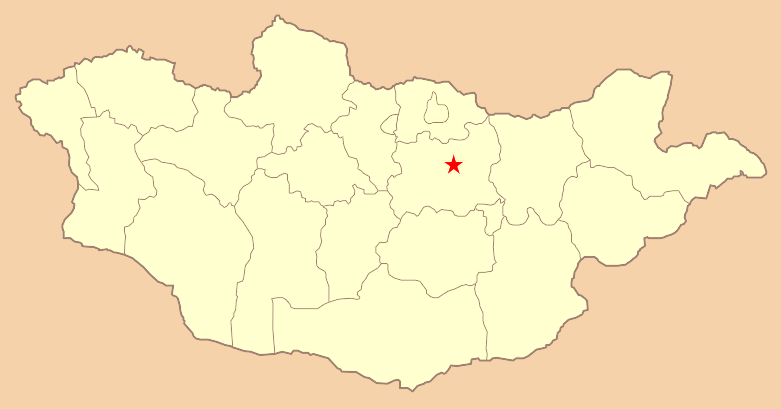
The city was founded in 1639 as a nomadic center of Buddhist monastic culture. Throughout its early history, it moved locations 29 times before finally settling at its present location in 1778.
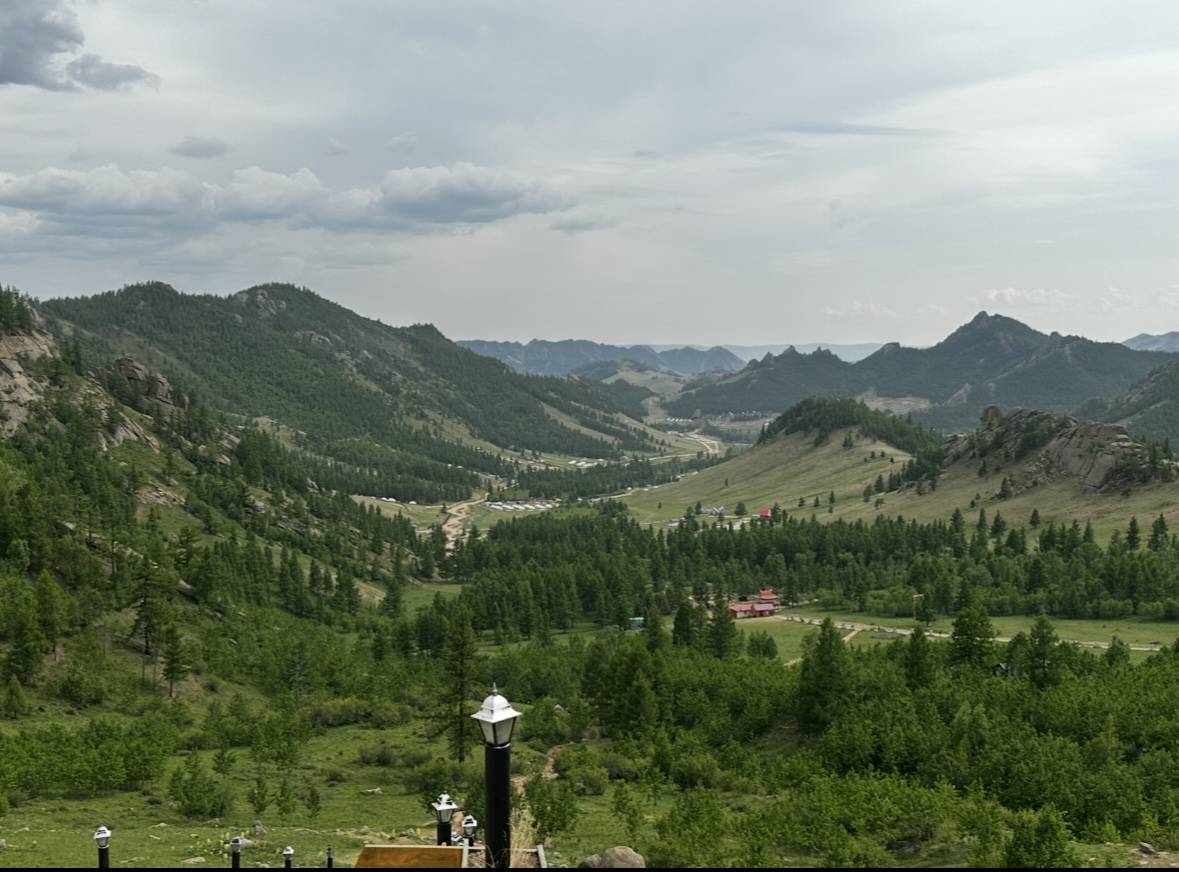
The Tuul River, one of Mongolia’s major rivers, flows through the region. Stretching approximately 888 km, it is an important natural waterway that adds to the beauty of the surrounding landscape.