
Ulaanbaatar Hotel → Mongol Nomadic Show
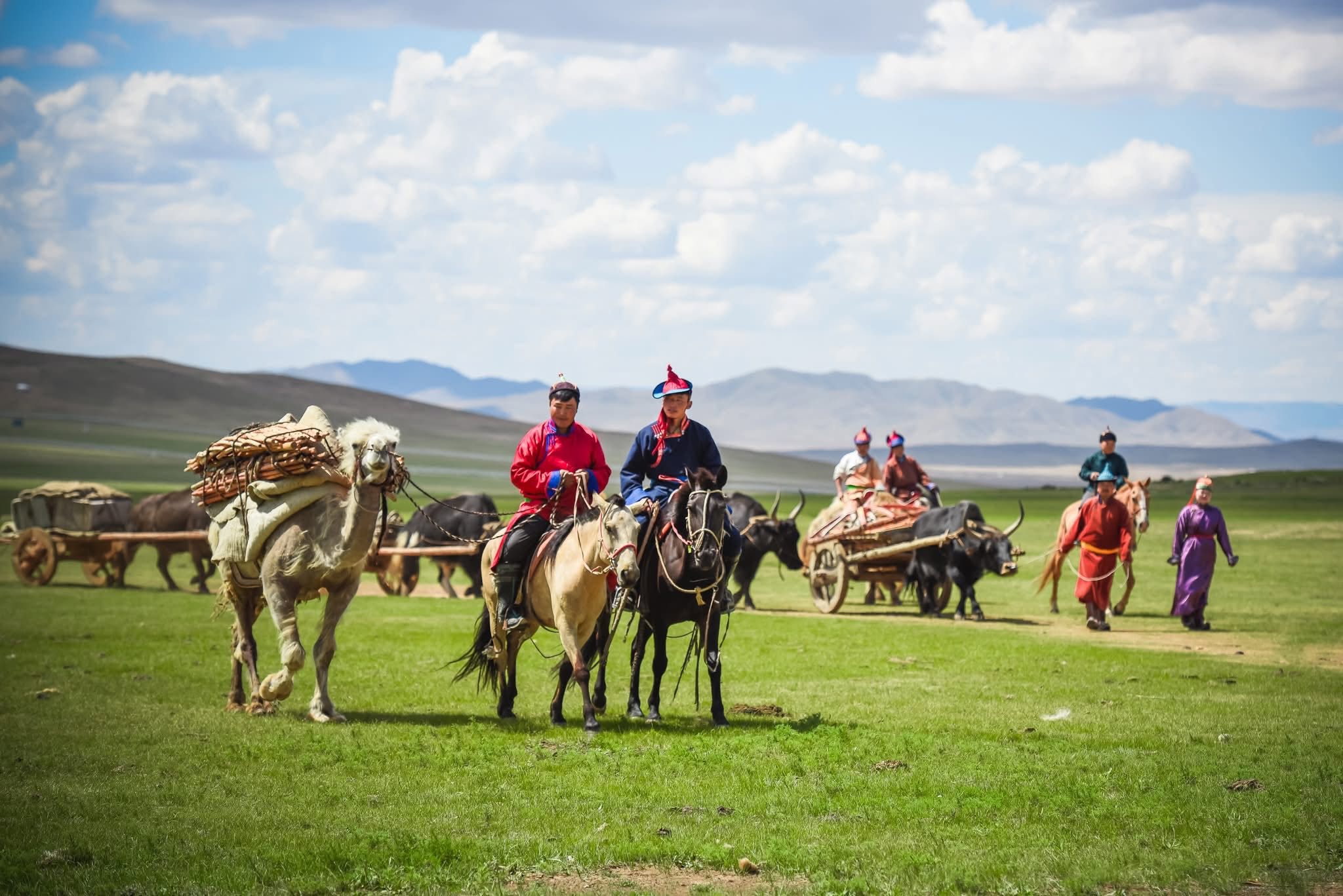
Depart from your hotel in Ulaanbaatar and travel approximately 50 km to the Mongol Nomadic Show, where you will discover Mongolia’s traditional nomadic lifestyle.
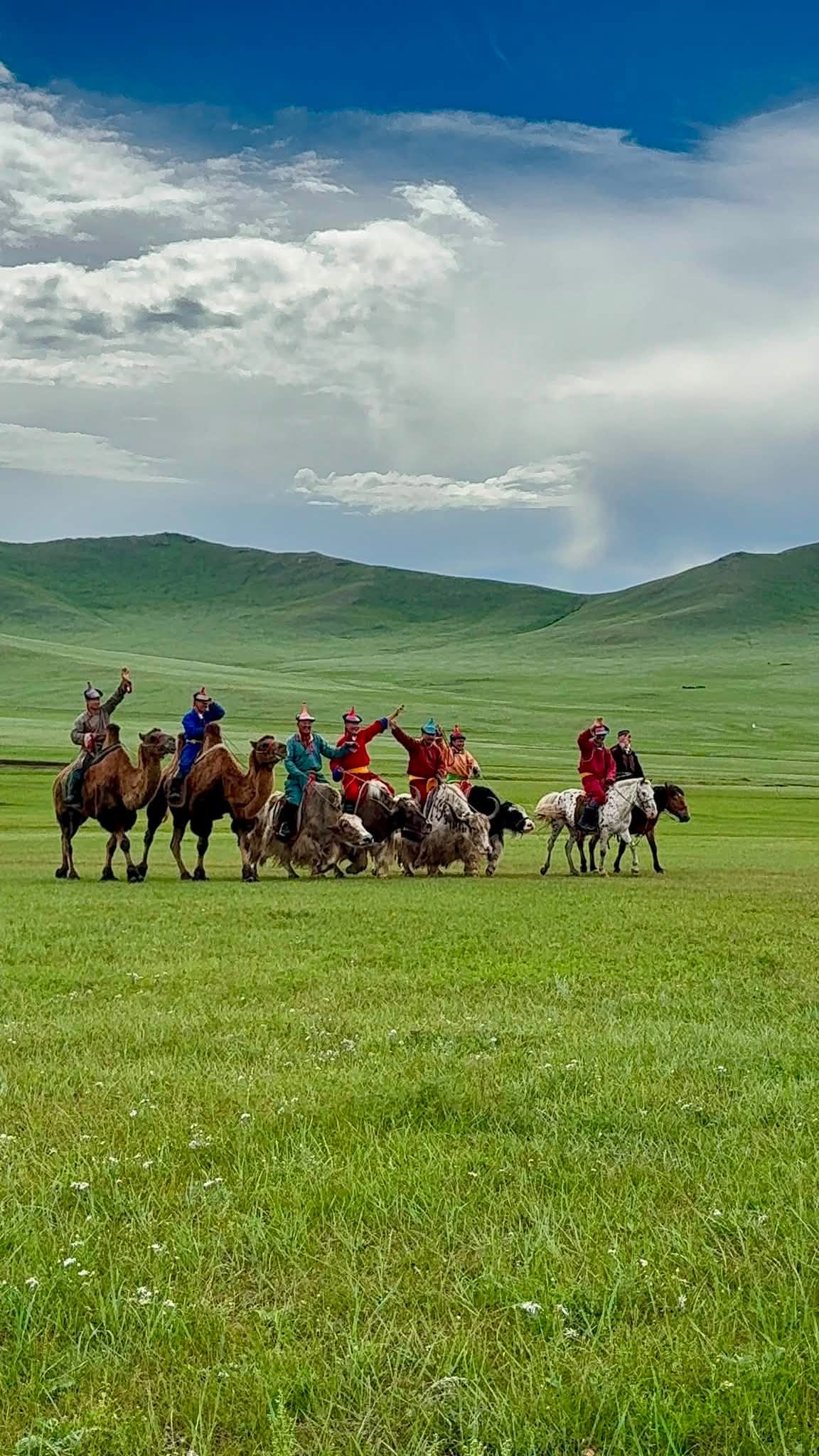
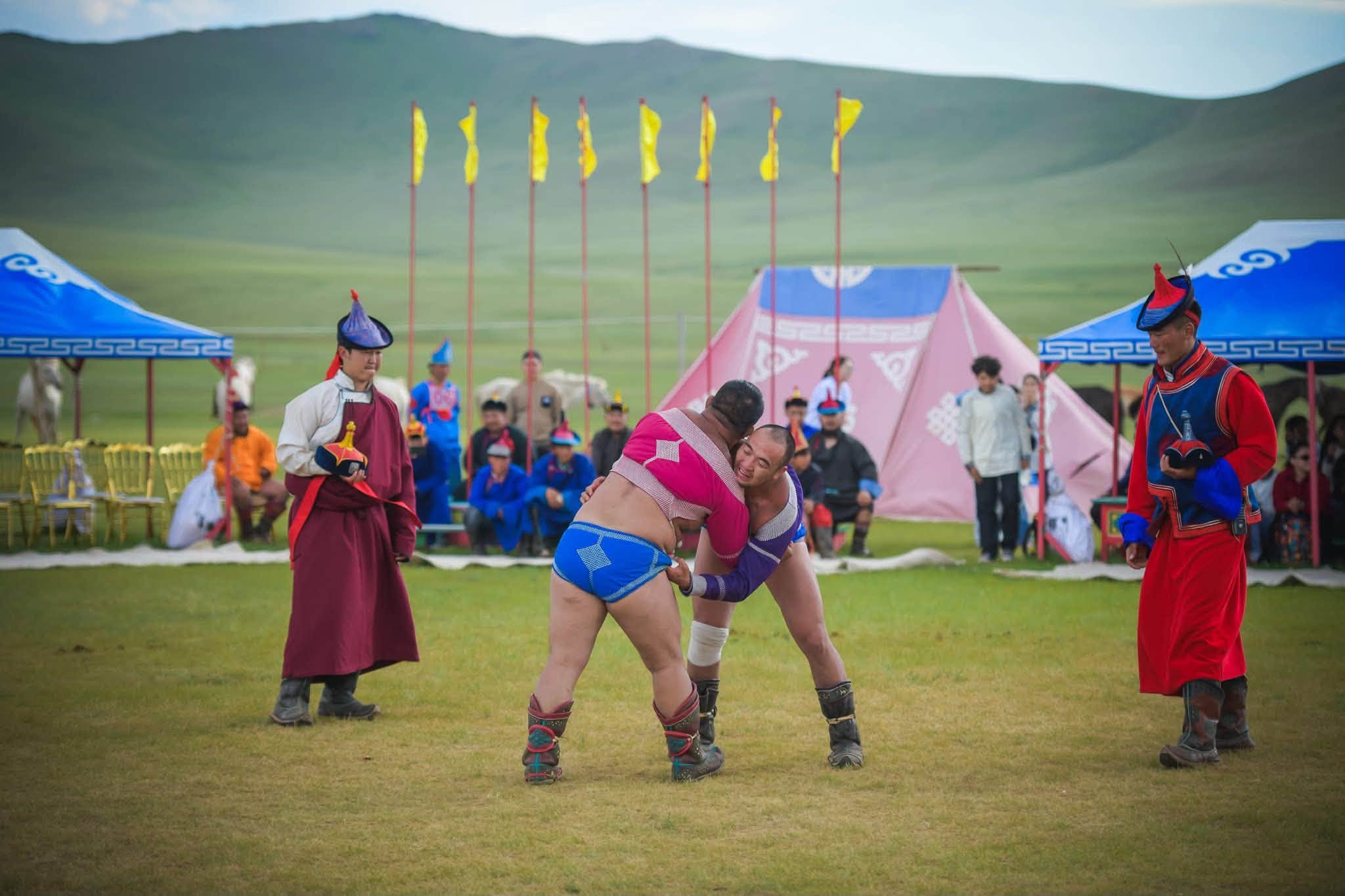
Mongol Nomadic Show
Watch demonstrations of nomadic life, traditional dairy production, and the transportation of belongings using livestock and carts. Enjoy performances featuring the morin khuur (horsehead fiddle) and throat singing, along with cultural activities in a beautiful natural setting.
Lunch at the Tourist Camp
Take a break and enjoy lunch at a tourist camp before continuing the day’s cultural experiences.
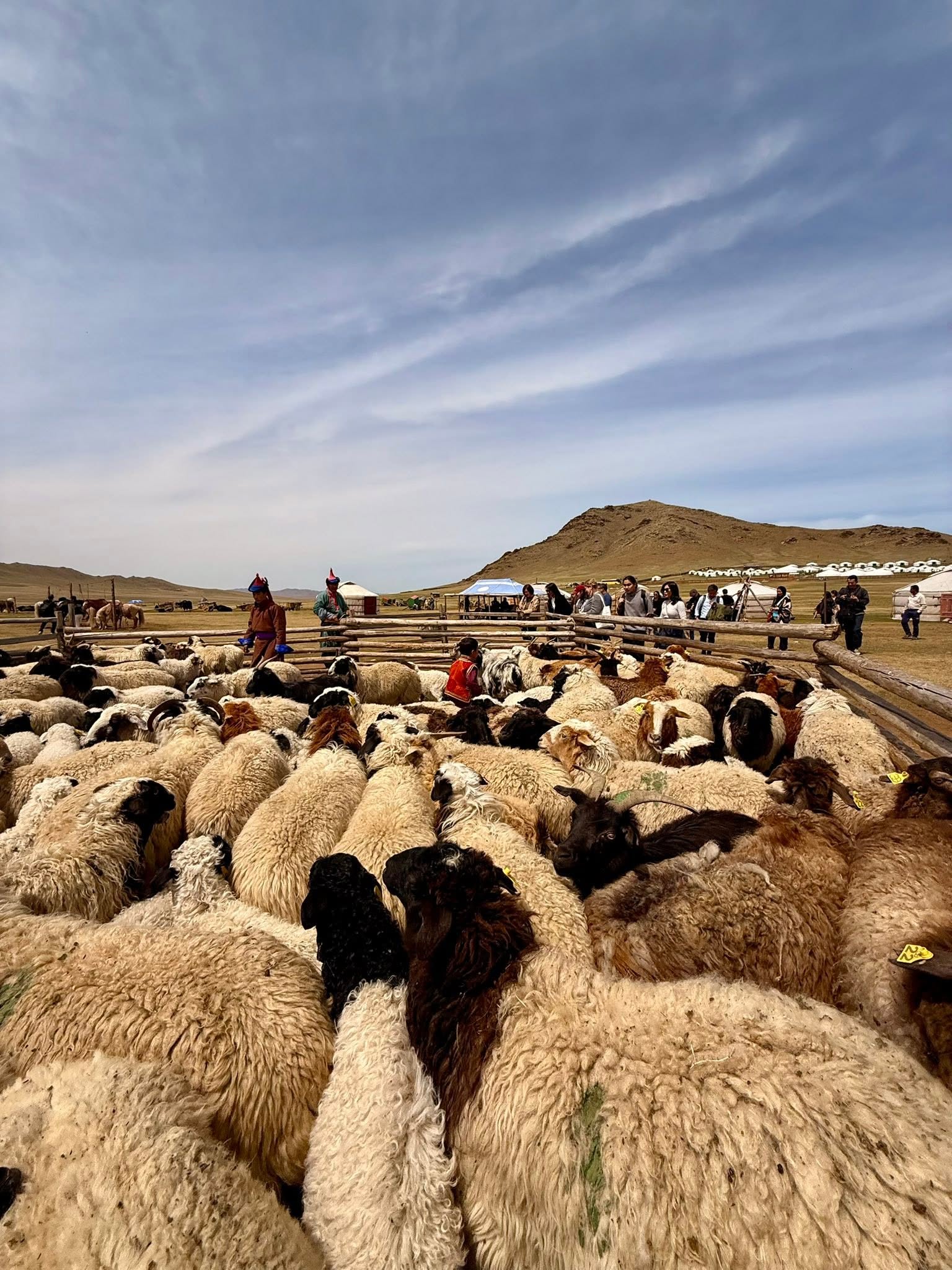
Visit to a Nomadic Family
Experience everyday life with a Mongolian nomadic family. Learn about traditional food and daily activities, observe livestock care, and interact with family members to gain insight into Mongolia’s nomadic traditions.
Mongolian Deel Costume Experience
Try on a traditional Mongolian outfit known as a deel. Costumes are available for men, women, and children, offering a wonderful opportunity to take memorable photographs.
Horseback Riding Experience
Enjoy a horseback riding experience surrounded by Mongolia’s beautiful natural scenery. This tour includes Horseback Riding Course B. Please refer to the detailed course information for more details.
Transfer to the Tourist Camp
Transfer to the tourist camp, where you will enjoy dinner and relax after a day of cultural activities and outdoor experiences.
Stargazing & Overnight at the Tourist Camp
Enjoy Mongolia’s spectacular night sky away from city lights. On clear nights, you may see countless stars, the Milky Way, and shooting stars. Stargazing is weather-dependent, and visibility cannot be guaranteed. Overnight at the tourist camp.
Transfer to Bürd
Travel to the Bürd area, enjoying the changing landscapes of the Mongolian countryside along the way.
Lunch at the Tourist Camp
Take a break and enjoy lunch at the tourist camp before exploring the surrounding natural attractions.
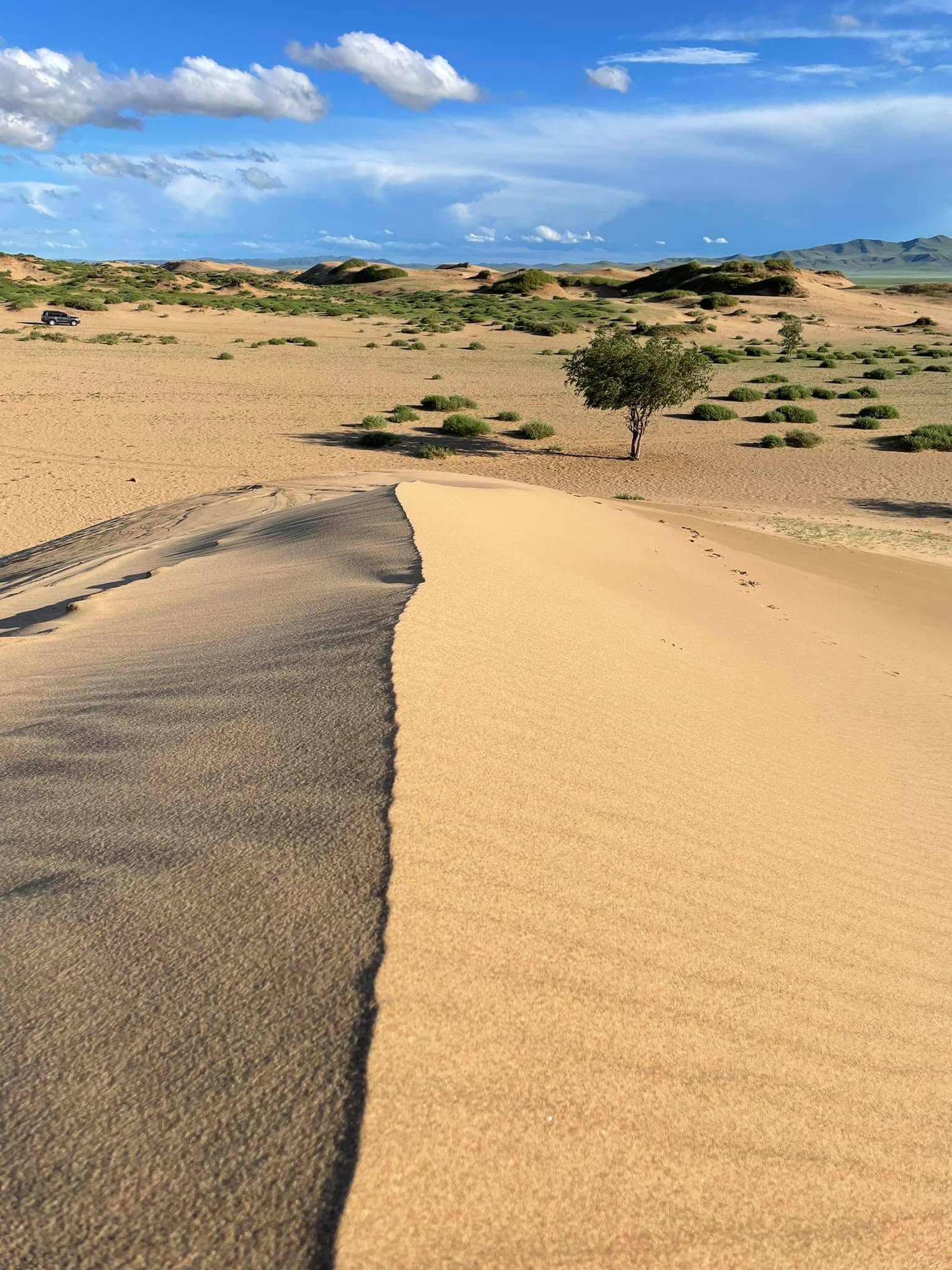
Elsen Tasarkhai Sand Dunes
Explore the beautiful sand dunes near Bürd, known as Elsen Tasarkhai, meaning “an isolated stretch of sand.” Admire the fine, wind-shaped sand patterns and the striking contrast between the dunes and the surrounding grasslands.
Orkhon Valley
Enjoy a scenic hike through the Orkhon Valley, which stretches along both banks of the Orkhon River in central Mongolia. The Orkhon Valley Cultural Landscape is a UNESCO World Heritage Site, recognized for its long history and enduring nomadic traditions spanning more than 2,000 years.
Transfer to the Tourist Camp
Return to the tourist camp, enjoy dinner, and relax after a day exploring Mongolia’s sand dunes and scenic valley. Overnight at a tourist camp in the Bürd area.
Erdene Zuu Monastery
Visit Mongolia’s first Buddhist monastery, founded in 1586 by Abtai Khan. Explore this historic complex, built partly with materials from the ruins of Karakorum. Discover its temples, main assembly hall, and stone wall featuring 108 stupas while learning about Mongolia’s Buddhist heritage.
Turtle Stone
See the distinctive granite Turtle Stone near Erdene Zuu Monastery. Carved in the shape of a seated turtle, this monument reflects the traditional symbolism of the turtle as a creature that supports the world.
Lunch at a Restaurant in Karakorum
Enjoy lunch at a local restaurant in Karakorum before continuing your journey through Mongolia’s historic landscapes.
Karakorum Hill
Visit Karakorum Hill and discover historical inscriptions and depictions associated with ancient kingdoms, including the Huns, Turkic peoples, and Mongols, as well as past rulers. Enjoy panoramic views of the ancient capital of Karakorum and the Orkhon River.
Ugii Lake
Discover this beautiful freshwater lake, known for its rich biodiversity. Ugii Lake is home to approximately 170 bird species and around 20 fish species. Enjoy birdwatching and appreciate the peaceful lakeside scenery.
Dinner at a Camp Near Ugii Lake
Enjoy dinner at a tourist camp near Ugii Lake, surrounded by Mongolia’s peaceful countryside.
Stargazing & Overnight Stay
Admire Mongolia’s magnificent night sky away from city lights. Stargazing is weather-dependent, and visibility cannot be guaranteed. Overnight at the tourist camp in the Bürd area, as specified in the original itinerary.
Journey to Jirmin Tsagaan Nuur
Travel through Mongolia’s open countryside toward Jirmin Tsagaan Nuur and the day’s destinations.
Hustai Museum
Learn about the history and conservation of the takhi, also known as Przewalski’s horse. Watch informative videos and discover the efforts to protect Mongolia’s famous wild horses.
Lunch at the Tourist Camp
Enjoy lunch at the tourist camp before continuing to Hustai National Park.
Hustai National Park
Explore Hustai National Park, home to Przewalski’s wild horses, deer, gazelles, and approximately 50 mammal species. Travel through the park by vehicle in search of the takhi and observe these rare wild horses in their natural habitat.
Transfer to the Tourist Camp in Bürd
Travel back to the tourist camp in the Bürd area after your wildlife experience at Hustai National Park.
Dinner at the Camp & Overnight Stay
Enjoy dinner at the camp and relax after a day of exploring Mongolia’s countryside and observing its remarkable wildlife. Overnight at the tourist camp in the Bürd area.
Travel to Ulaanbaatar
Return to Mongolia’s capital for a day of cultural sightseeing, city exploration, and shopping.
Gandan Monastery
Visit one of Mongolia’s most important Buddhist monasteries and one of the few major religious institutions to survive the destruction of the socialist period. Depending on the schedule, you may have the opportunity to observe monks during their morning prayers in the main temple.
Lunch at a City Restaurant
Enjoy lunch at a local restaurant in Ulaanbaatar before continuing your city sightseeing.
Sukhbaatar Square
Explore the heart of Ulaanbaatar, surrounded by important government and public buildings, including the Parliament House and Government Palace. The square is named after Damdin Sukhbaatar, a prominent figure in Mongolia’s modern history.
Nomin Department Store
Enjoy shopping at one of Mongolia’s long-established department stores. Browse a wide selection of goods and look for souvenirs, gifts, and other items to take home.
Zaisan Hill
Visit Zaisan Hill, south of central Ulaanbaatar, and enjoy panoramic views of the city and its surrounding landscape.
Dinner & Transfer to Your Hotel
Enjoy dinner at a city restaurant. After dinner, transfer to your hotel in Ulaanbaatar, bringing your five-day journey through Mongolia’s nomadic culture, historical landmarks, natural landscapes, and city highlights to an end.
Included
- ✓ 4-night accommodation at tourist camps
- ✓ Private car transportation throughout the tour
- ✓ Tour guide and translator service
- ✓ Meals as specified in the itinerary
- ✓ Mongol Nomadic Show experience
- ✓ Nomadic family visit and traditional deel costume experience
- ✓ Horseback riding experience
- ✓ Visits to the attractions listed in the itinerary
Excluded
- ✕ Accommodation in Ulaanbaatar before or after the tour, unless specified
- ✕ Meals not specified as included in the itinerary
- ✕ Personal expenses, snacks, and drinks
- ✕ Tips for the guide and driver
- ✕ Travel insurance
- ✕ Optional activities and additional services not listed in the itinerary
Important Things to Know Before You Go
Clothing
Sun hat and sunglasses, Long-sleeved sun-protective shirts, Warm layers for night
Shoes
Comfortable walking shoes, Extra pairs of socks, Sandals for relax camp
Sun protect
Sunscreen, Lip balm, Hand cream
Water
at least 2 bottle of water
Cash
Some places may not accept card payments, so please bring a small amount of cash
Extra
Powerbank, Extra camera battery, Wet wipes, Some medicians
FYI
During long journeys through the Mongolian countryside, modern restroom facilities may not be available along the way, You may need to use outdoor restrooms roadside stops, which may uncomfortable than what you are used to.
Places You Will Visit
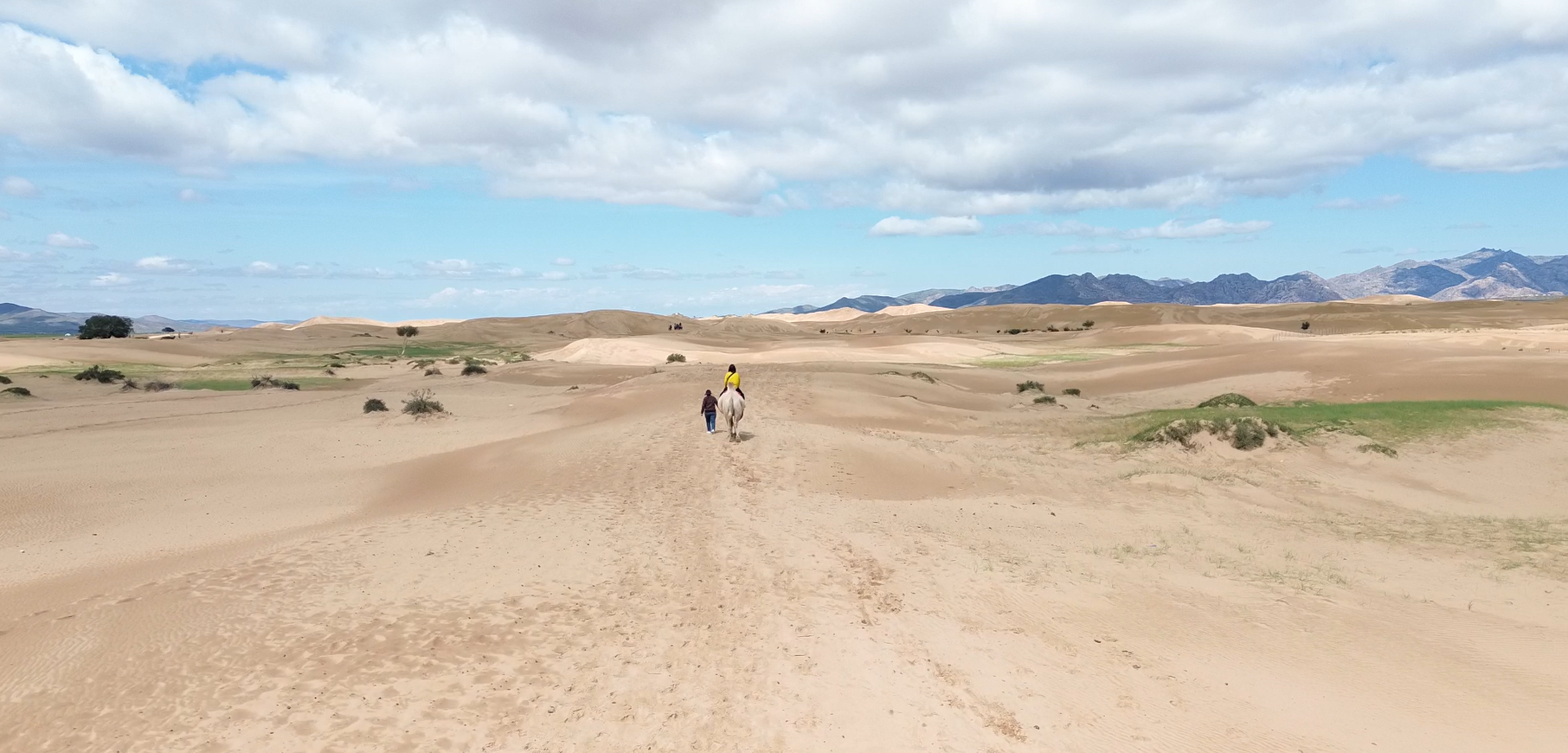
The dunes are surrounded by mountains, green vegetation, and open steppe, creating a striking contrast between desert and grassland landscapes. The area is ideal for camel riding, experiencing traditional nomadic life, and enjoying Mongolia’s natural beauty.
The nearby Khugnu Khan Mountains and surrounding tourist camps make Elsen Tasarkhai a popular stop for travelers exploring central Mongolia.
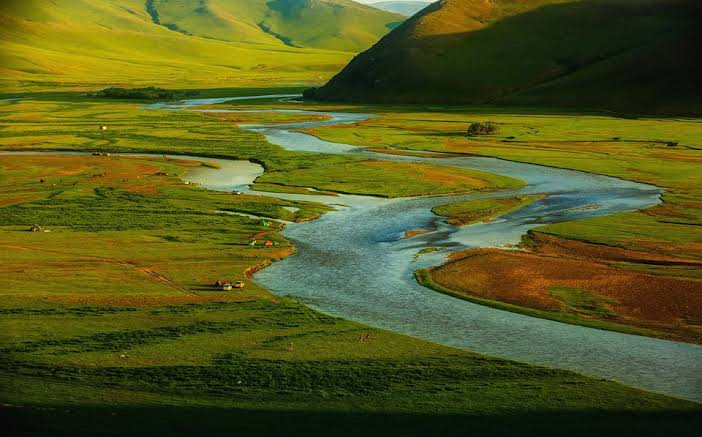
The Orkhon River Valley contains an extraordinary collection of historical and cultural monuments that illustrate the evolution of nomadic civilizations in Central Asia over more than 2,000 years. Many of the monuments scattered along the Orkhon Valley continue to serve as important evidence of Mongolia’s ancient nomadic history.
In particular, the upper reaches of the Orkhon River are home to numerous burial mounds, deer stones, and other archaeological remains from the Bronze Age and Iron Age.
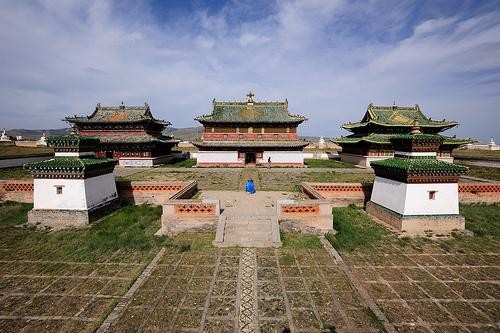
The monastery once housed dozens of temples, but many were destroyed during the religious purges of the 1930s. The remaining temples and sacred structures were preserved as a museum in 1947, helping protect this important part of Mongolia’s cultural and religious heritage.
Today, visitors can admire its historic temples, 108 stupas surrounding the monastery’s walls, and traditional Buddhist architecture while learning about Mongolia’s rich spiritual history.
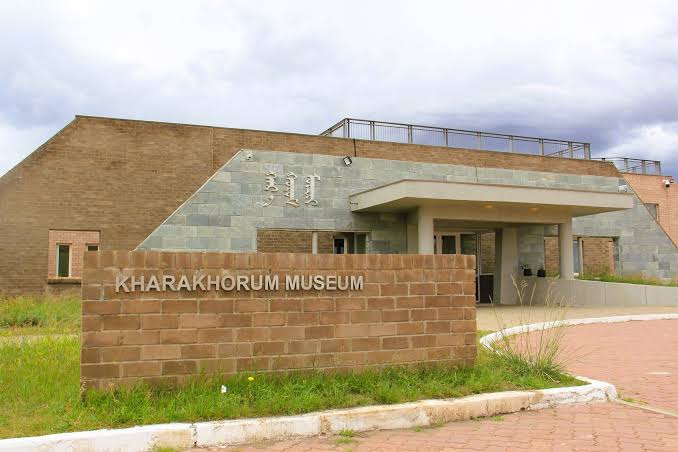
The museum displays archaeological discoveries from different periods, including the Stone Age, Bronze Age, and Mongol Empire. Highlights include ancient coins issued under Mongol rulers, a gerege (an official pass used by Mongol Empire messengers), pottery, Buddhist sculptures, and military artifacts.
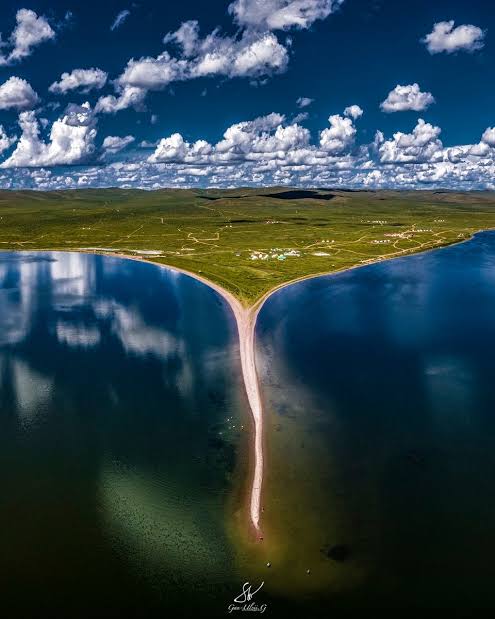
The lake is renowned for its rich biodiversity and is an important habitat for around 150 species of waterbirds. Throughout the year, various birds gather here to feed, rest, and breed, making it an excellent destination for birdwatching and nature lovers.
Surrounded by vast grasslands and rolling hills, Ugii Lake offers a peaceful escape into Mongolia’s natural beauty. Visitors can enjoy the tranquil lakeside scenery, observe birds in their natural habitat, and experience the serenity of the Mongolian countryside. The lake is also home to a variety of fish, making it an important part of the region’s ecosystem.
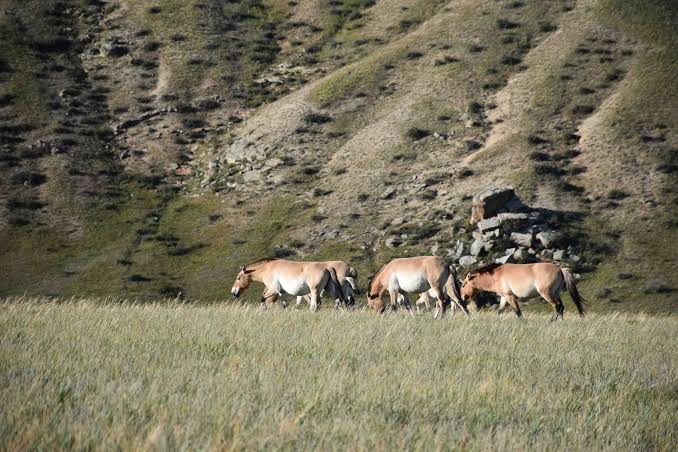
Travel by vehicle through the park in search of the takhi and observe these rare wild horses in their natural habitat.
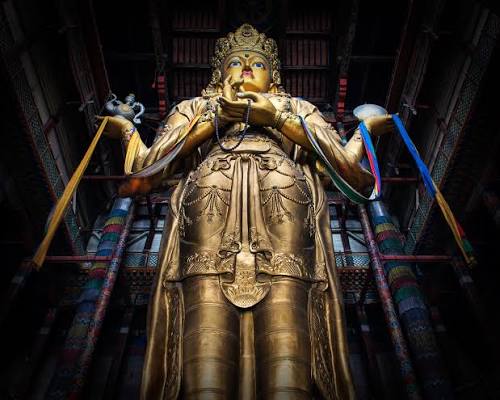
The monastery’s most remarkable attraction is the Migjid Janraisig Statue, a magnificent representation of Avalokiteshvara, the Bodhisattva of Compassion. In Buddhist belief, this deity listens to the prayers of all living beings and symbolizes compassion, mercy, and the wish to relieve suffering.
The original statue was commissioned in 1911 by Bogd Khan, Mongolia’s spiritual leader at the time. Standing 26.5 meters tall, it was made using gold, silver, copper, and precious stones. However, the statue disappeared during the religious purges of the 1930s.
Following Mongolia’s transition to democracy, the statue was recreated through public donations and unveiled on September 20, 1996. The new statue was crafted using approximately 19 tons of copper, decorated with 2,286 precious stones and around 76,000 pieces of gold leaf.
Today, visitors can admire this impressive work of Buddhist art and learn about Mongolia’s spiritual heritage and the enduring importance of compassion in Buddhist teachings.
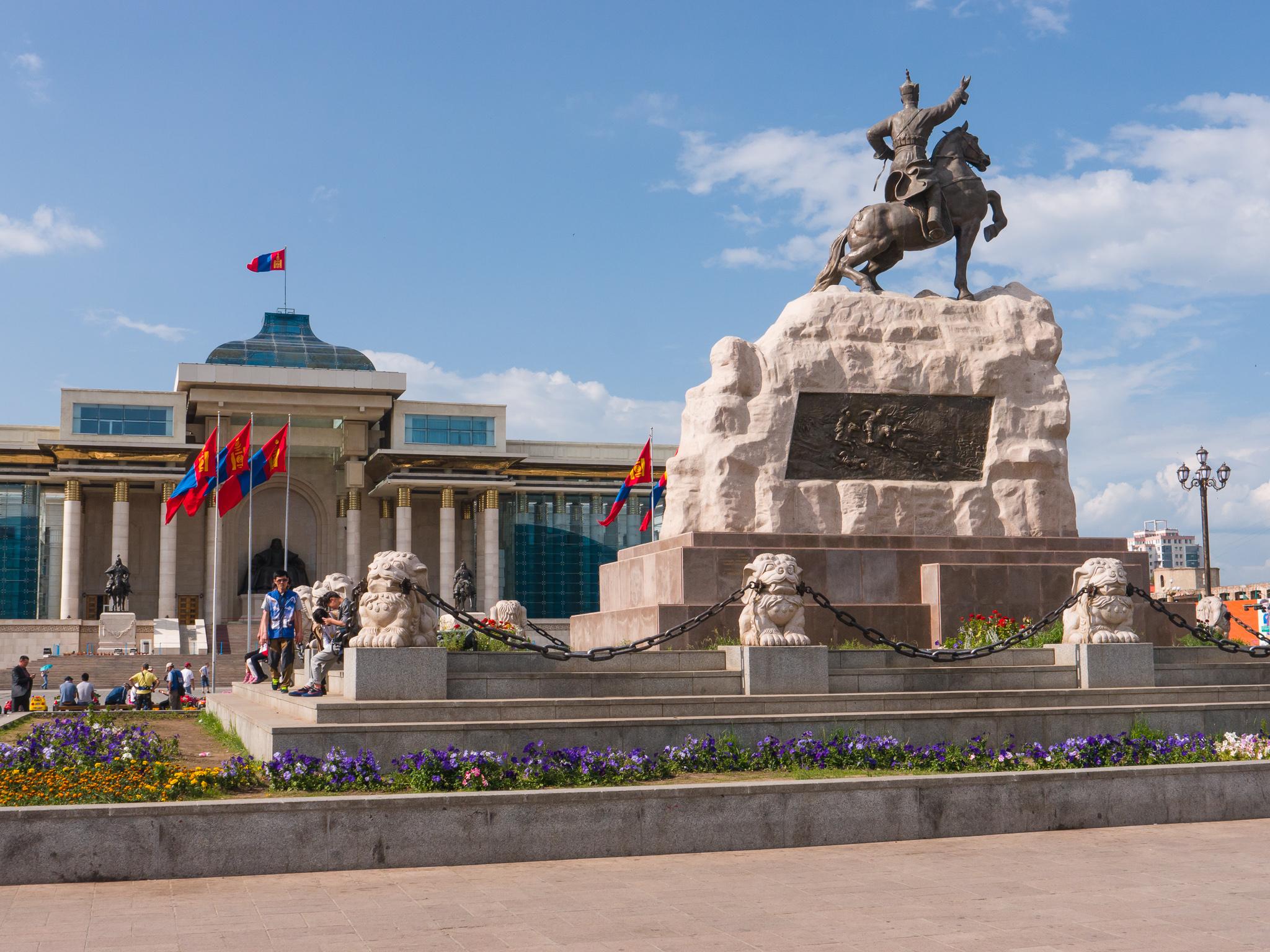
In 1946, on the 25th anniversary of the victory of the People’s Revolution, a statue of General Sukhbaatar was erected, and the square was paved and developed. The bronze statue depicts the general mounted on a horse, rising slightly in his saddle and pointing toward the east, where the sun rises.
On the northern side of the square stands the Government Palace, with a garden behind it. Until 2005, a mausoleum dedicated to Choibalsan and Sukhbaatar stood in front of the palace. It was subsequently removed, and in 2006, to commemorate the 800th anniversary of the founding of the Great Mongol Empire, a grand State Ceremonial Complex was constructed in its place.
The complex features seated statues of Genghis Khan, Ögedei Khan, and Kublai Khan, along with bronze equestrian statues of two distinguished warriors. Today, Sukhbaatar Square remains an important landmark for Mongolia’s political, historical, and cultural identity.
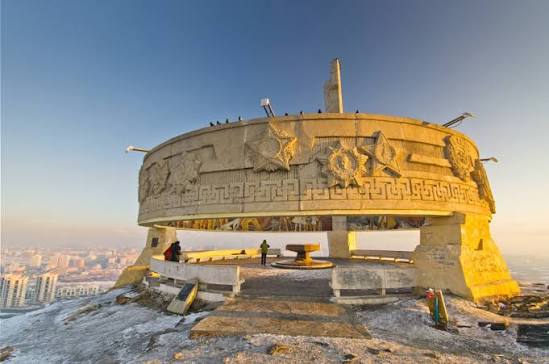
The hill is best known for the Zaisan Memorial, built in 1971 to commemorate Soviet soldiers who died during World War II and to mark the 50th anniversary of Mongolia’s 1921 People’s Revolution. The circular memorial features colorful murals depicting important moments in Mongolian and Soviet history, including their military alliance and shared wartime experiences.
At the foot of the hill, visitors can also see a Soviet tank memorial honoring the Mongolian people’s contribution to the war effort. Together, these monuments offer insight into Mongolia’s 20th-century history and its former relationship with the Soviet Union.
Today, Zaisan Hill is both a historical landmark and a favorite leisure destination for locals and tourists. Climbing the steps to the memorial rewards visitors with beautiful views of Ulaanbaatar, making it an ideal place for sightseeing and photography.
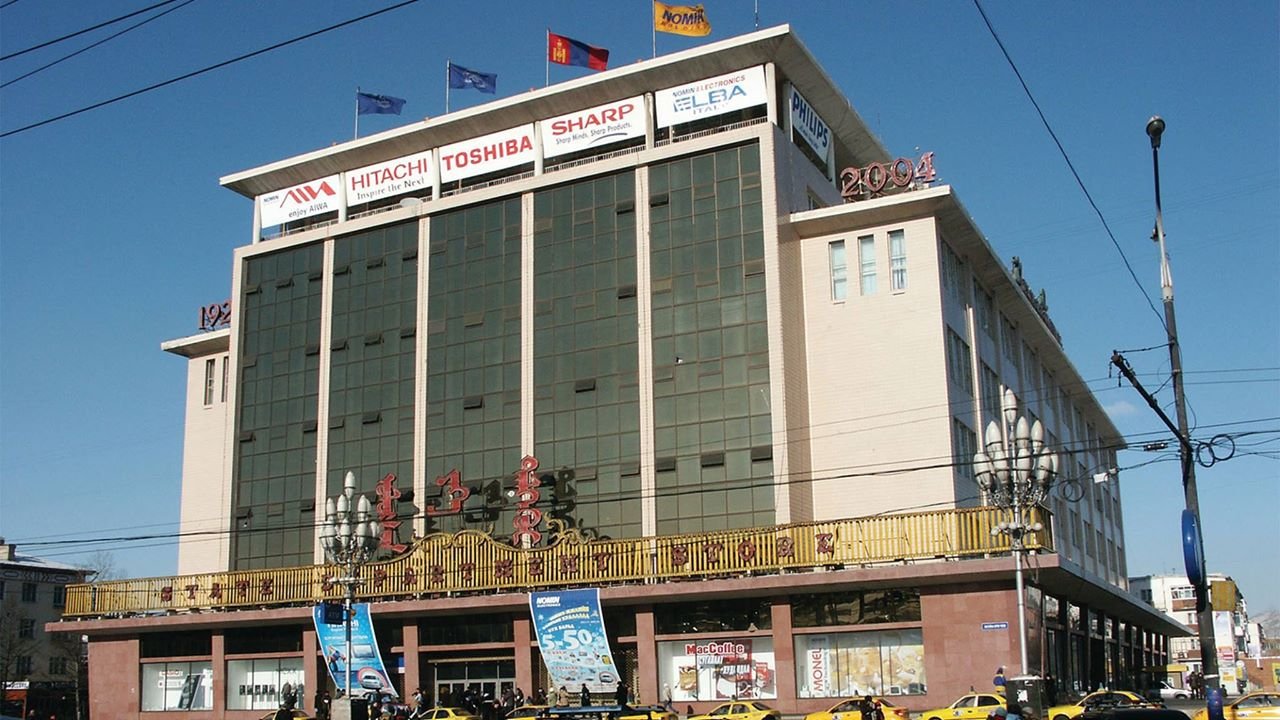
Whether you are looking for local products, international brands, souvenirs, or daily necessities, Nomin provides a convenient shopping experience where you can find almost everything you need in one place.
Karakorum existed for approximately 140 years, serving as the capital of the Mongol Empire for 32 years. The city was destroyed several times, including in 1380 and 1466, but was subsequently rebuilt on each occasion.
Today, the historic site offers visitors a glimpse into Mongolia’s rich medieval history and the legacy of the Mongol Empire.
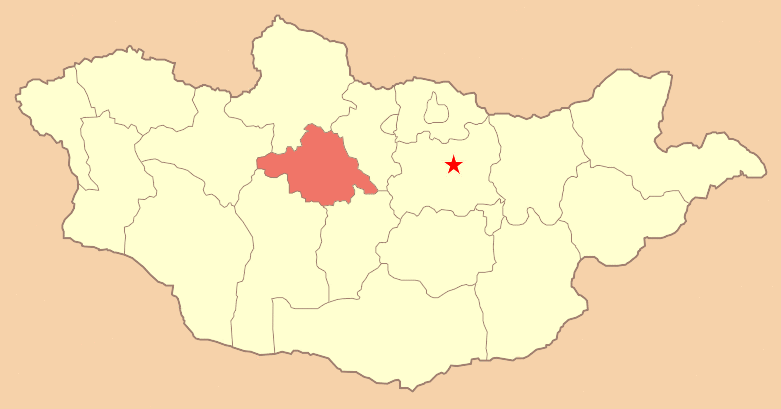
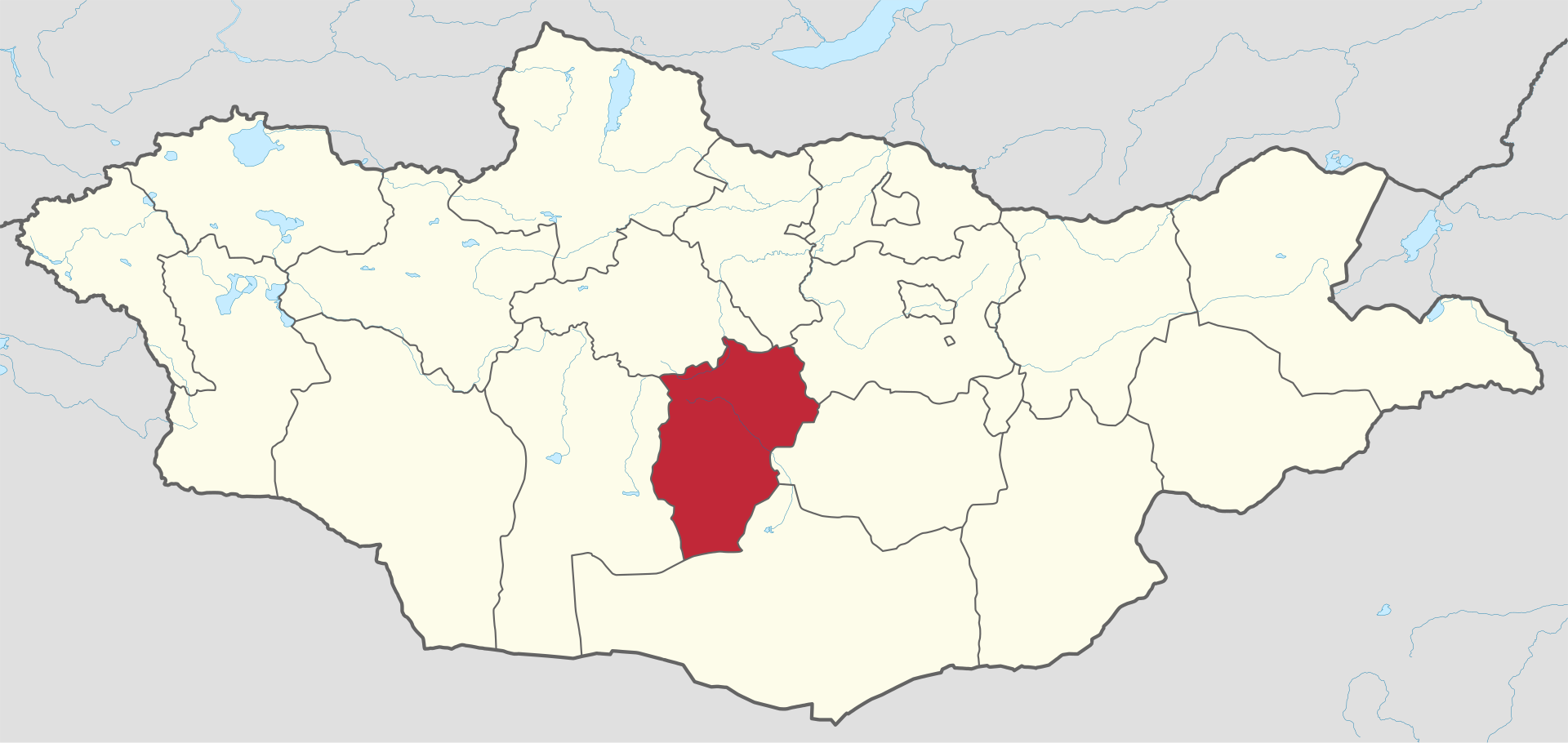
Arkhangai is blessed with stunning natural landscapes, including majestic mountains, crystal-clear rivers, beautiful lakes, and lush green valleys. Its unique geological formations and breathtaking scenery make it one of Mongolia’s most attractive destinations for nature lovers.
The province offers visitors an opportunity to experience authentic nomadic culture, taste traditional Mongolian dairy products, and enjoy the peaceful beauty of the countryside. It attracts both domestic and international travelers seeking relaxation, adventure, and a deeper connection with Mongolia’s natural and cultural heritage.
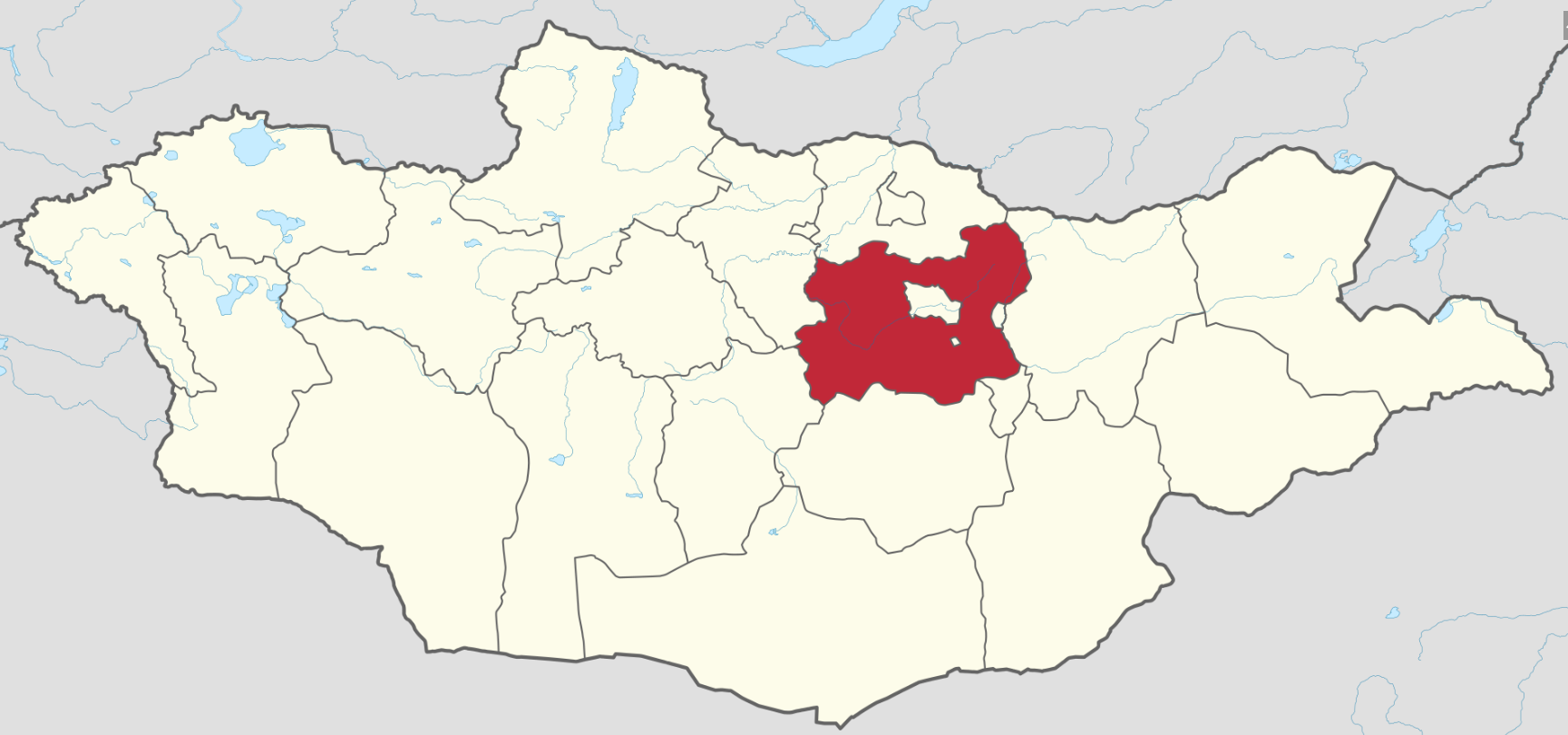
Töv Province is particularly known for its well-developed intensive livestock farming, specializing in dairy and meat production. Its proximity to Ulaanbaatar makes it an important supplier of fresh milk, dairy products, and meat to the capital.
With its vast grasslands, rolling hills, and traditional nomadic heritage, Töv Province offers visitors a glimpse into Mongolia’s rural lifestyle and pastoral culture. Its convenient location also makes it an ideal destination for travelers wishing to explore the countryside and experience the natural beauty surrounding Ulaanbaatar.
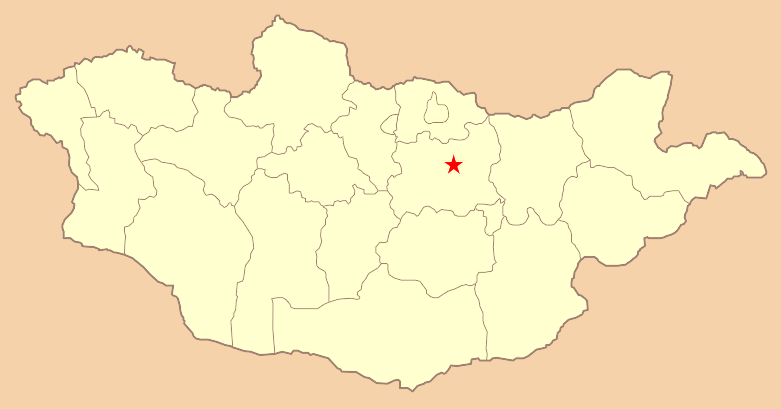
The city was founded in 1639 as a nomadic center of Buddhist monastic culture. Throughout its early history, it moved locations 29 times before finally settling at its present location in 1778.