
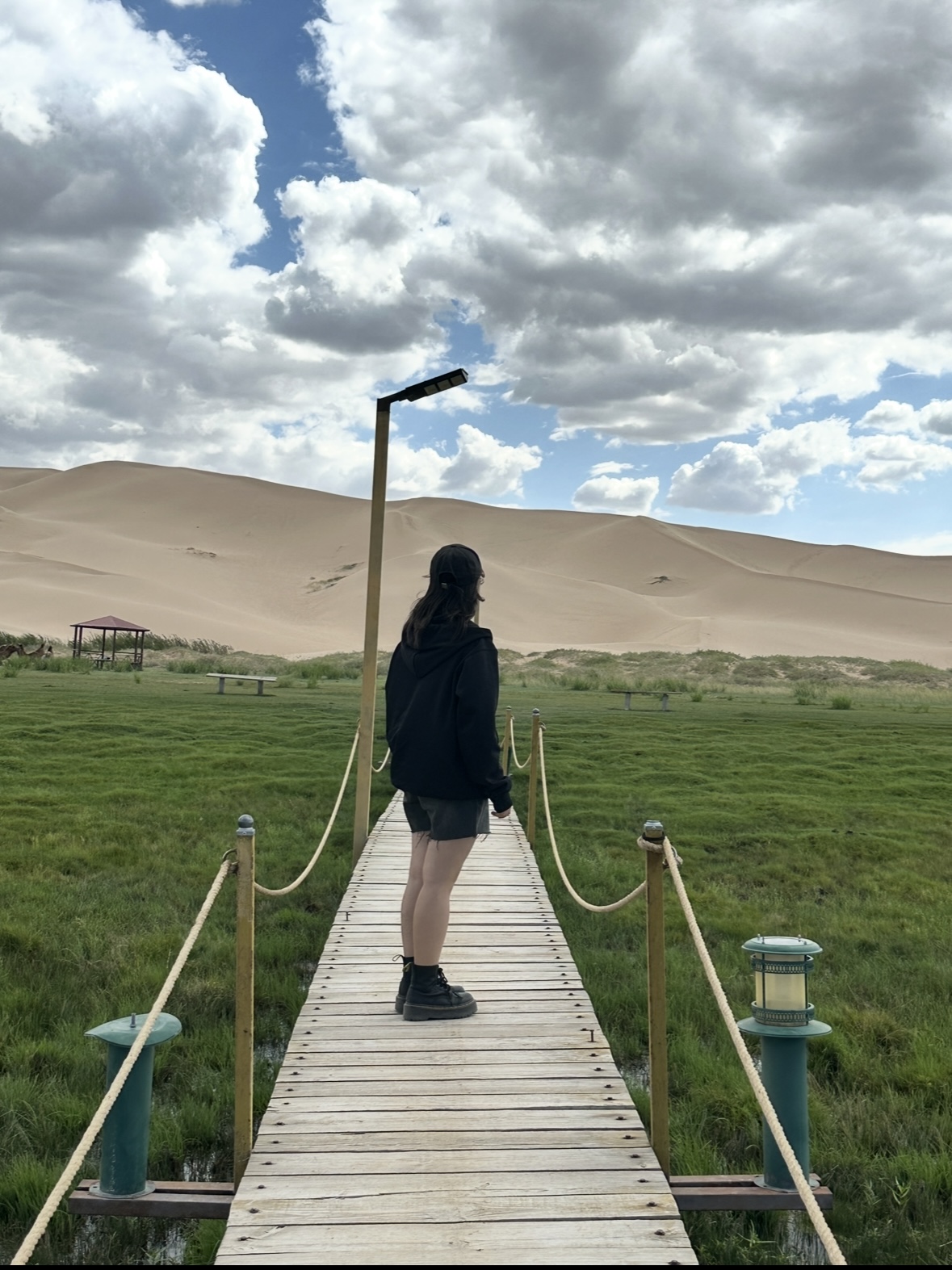
Depart from Your Hotel
Begin your journey from your hotel in Ulaanbaatar and travel south toward the spectacular landscapes of the Gobi Desert.
Lunch in Mandalgovi
Stop in Mandalgovi, the capital of Dundgovi Province, to enjoy lunch before continuing your journey to Tsagaan Suvarga.
Tsagaan Suvarga (White Stupa)
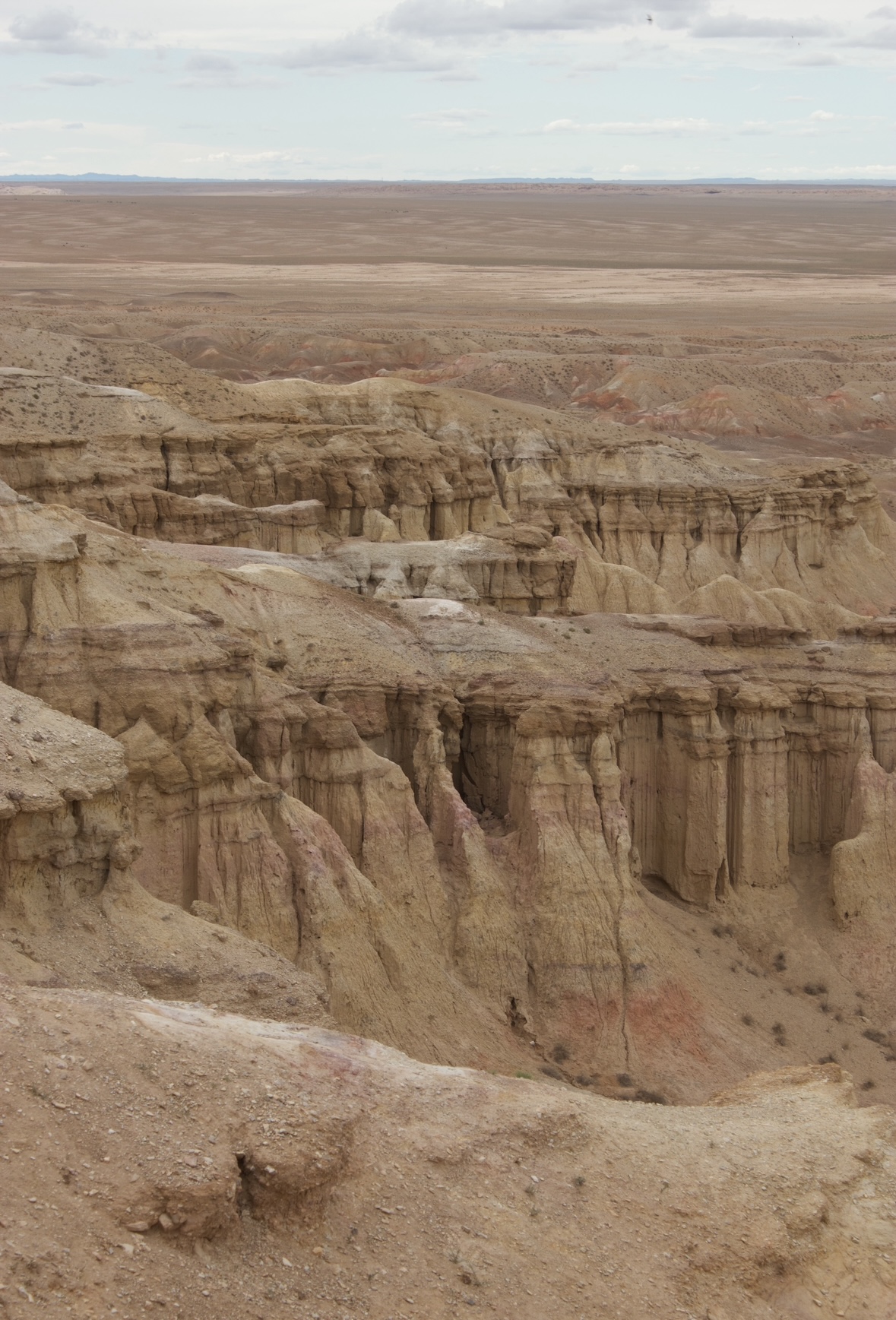
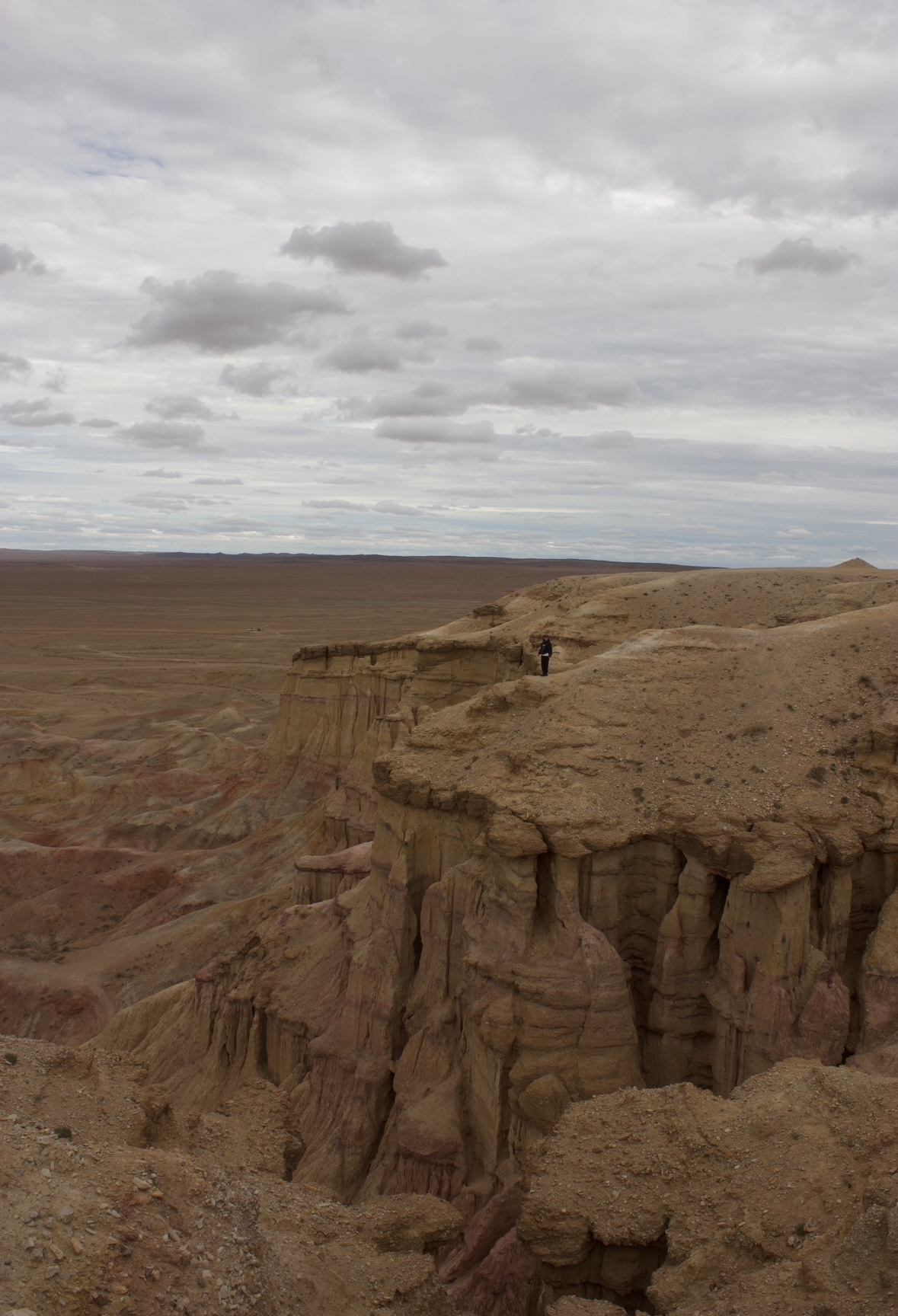
Discover the spectacular white cliffs of Tsagaan Suvarga, whose towering formations resemble Buddhist stupas when viewed from a distance.
Tourist Camp in the South Gobi
Arrive at your tourist camp in the South Gobi region, settle into your accommodation, and enjoy dinner.
Stargazing Under the Mongolian Sky
Enjoy the peaceful atmosphere of the Gobi at night. With little artificial light, you may be able to admire countless stars, the Milky Way, and even shooting stars. Stargazing is subject to weather and visibility conditions.
Stay at a Tourist Camp
Rest overnight at a tourist camp in the South Gobi region, surrounded by Mongolia’s vast natural landscapes.
Travel to Dalanzadgad
Continue your journey through the South Gobi toward Dalanzadgad, the regional center of the province. Enjoy the changing scenery of Mongolia’s vast desert landscapes along the way.
Lunch at the Camp
Take a break and enjoy lunch at the tourist camp before continuing your Gobi adventure.
Visit a Nomadic Family
Experience the daily life of a Mongolian nomadic family. Learn about traditional customs, household activities, local food, and livestock care while interacting with your hosts and discovering Mongolia’s nomadic heritage.
Camel Riding
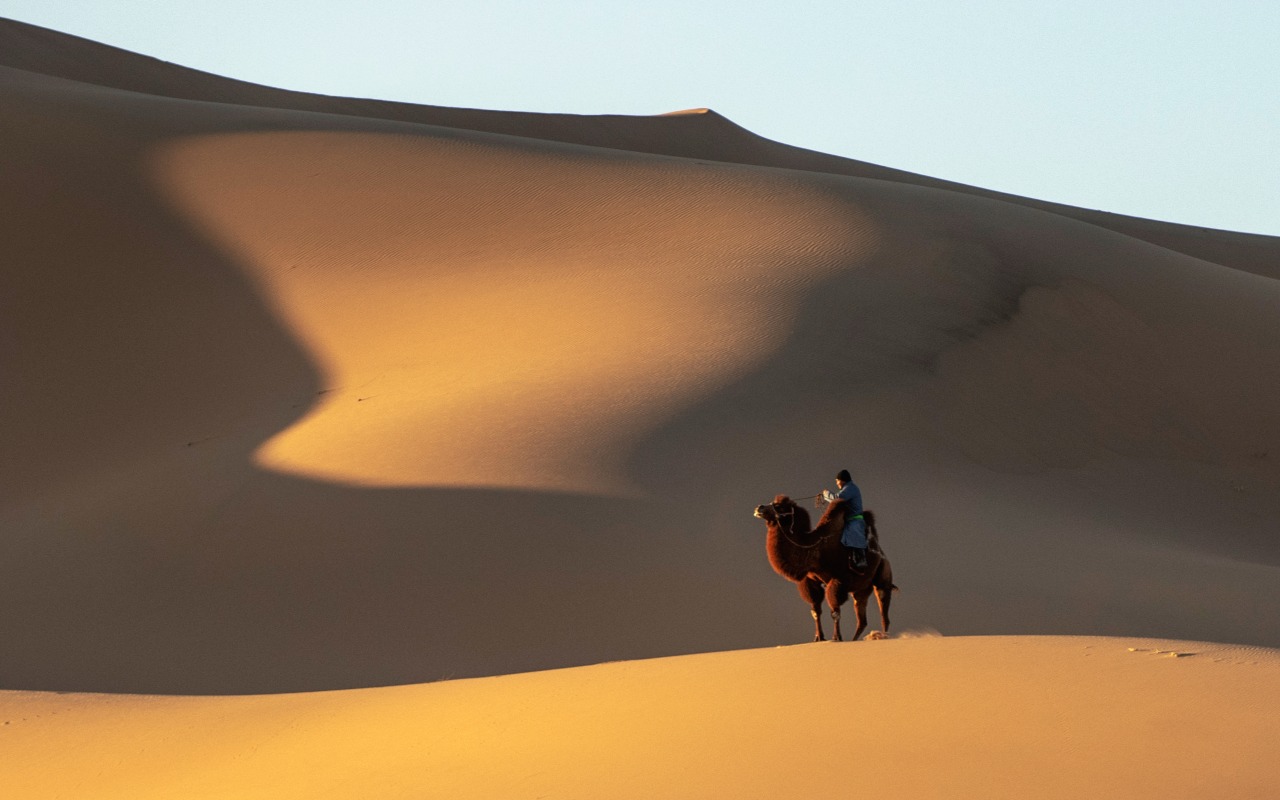
Enjoy a memorable camel ride through the Gobi Desert landscape. Experience a traditional way of traveling across the desert while taking in the surrounding scenery.
Traditional Mongolian Costume Experience
Try on a traditional Mongolian outfit called a deel. Traditional outfits for men, women, and children are available, giving you a wonderful opportunity to take memorable photographs in Mongolian dress.
Khongor Sand Dunes
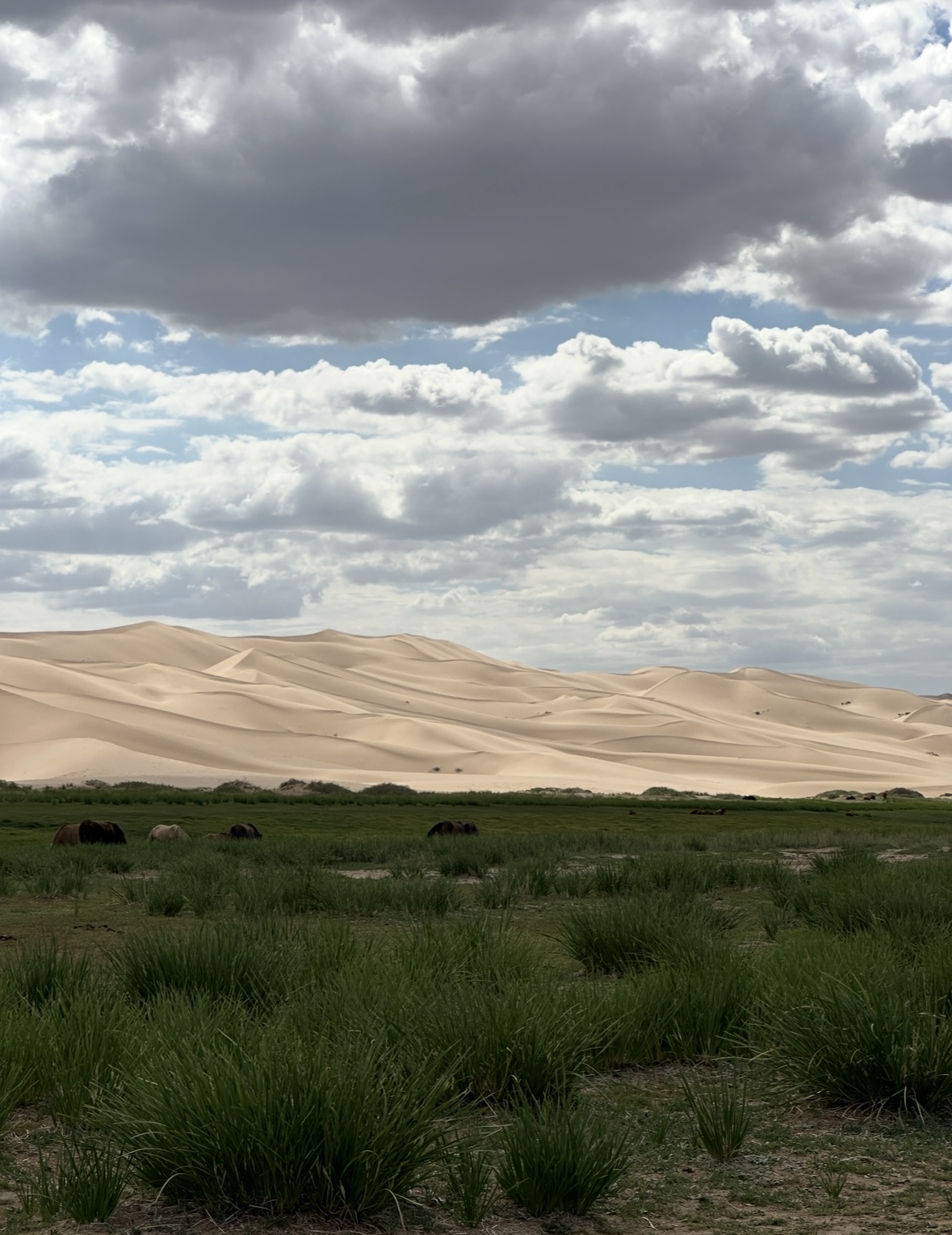
Explore Khongor Sand Dunes, one of Mongolia’s largest dune systems. Admire the sweeping golden sands and visit the nearby Khongoryn Gol oasis, where green vegetation and flowers create a striking contrast with the surrounding desert.
Dinner at the Camp
Return to your tourist camp and enjoy dinner after a day of cultural encounters and desert exploration.
Stay at a Tourist Camp
Relax overnight at a tourist camp in the South Gobi region, surrounded by the peaceful landscapes of the Gobi Desert.
Depart from the Tourist Camp
Begin the day’s adventure from your tourist camp and head out to discover the natural wonders and prehistoric heritage of the South Gobi region.
Gobi Nature and History Museum
Discover the fascinating prehistoric heritage of the Gobi. Explore exhibits featuring dinosaur eggs, fossilized skeletons, and other important discoveries that reveal the ancient creatures that once inhabited Mongolia.
Hiking in Yolyn Am Canyon
Explore Yolyn Am, also known as Eagle Valley, in the Gurvan Saikhan Mountains. Enjoy a scenic walk through the dramatic canyon, surrounded by towering rock formations and beautiful mountain landscapes.
Packed Lunch
Take a break during your excursion and enjoy a packed lunch surrounded by the beautiful natural scenery of the South Gobi.
Horseback Riding – Course B
Experience horseback riding in Mongolia’s beautiful natural surroundings. This tour includes Horseback Riding Course B, offering an opportunity to enjoy the landscape from horseback. Please refer to the horseback riding section for further details.
Stargazing
Look up at Mongolia’s expansive night sky and enjoy the chance to see countless stars and the Milky Way. Stargazing is subject to weather and visibility conditions.
Dinner at the Camp
Return to your tourist camp and enjoy dinner after a day of exploring the Gobi’s natural scenery and cultural heritage.
Stay at a Tourist Camp
Relax overnight at your tourist camp in the South Gobi region, surrounded by Mongolia’s peaceful wilderness.
Khavtsgait Rock Art
Visit the ancient rock art site on the slopes of the Gurvan Saikhan mountain range, approximately 60 km from Dalanzadgad. Discover fascinating petroglyphs carved into the rocks by people in ancient times.
Lunch at the Camp
Take a break and enjoy lunch at the camp before continuing your exploration of the South Gobi’s remarkable landscapes.
Bayanzag – Flaming Cliffs
Explore Bayanzag, located approximately 100 km north of Dalanzadgad Airport. Famous for its dramatic red sandstone cliffs and significant dinosaur fossil discoveries, this remarkable landscape is dotted with low saxaul trees across the surrounding hills.
Transfer to Your Accommodation
Continue to your accommodation and check in after a day of discovering ancient rock art and the spectacular Flaming Cliffs.
Dinner at the Camp
Enjoy dinner at your tourist camp and relax after a day exploring the natural and historical treasures of the Gobi Desert.
Stay at a Tourist Camp
Spend the night at a tourist camp and enjoy the peaceful atmosphere of Mongolia’s vast desert landscape.
Travel to Baga Gazriin Chuluu
Lunch at the Camp
Baga Gazriin Chuluu Rock Formations
Bronze Age Burial Mounds
Ruins of Lovonchambaa Monastery
Dinner at the Camp
Stay at a Tourist Camp
Travel Back to Ulaanbaatar
Lunch at a City Restaurant
Gandan Monastery
Sukhbaatar Square
National Museum of Mongolia
Zaisan Hill
Dinner at a City Restaurant
Return to Your Hotel
Genghis Khan Equestrian Statue
Lunch at the Camp
Turtle Rock
Aryabal Meditation Temple
Flower Hiking
Dinner at the Camp
Stay at a Tourist Camp
Return to Ulaanbaatar
Natural History Museum
Lunch at a City Restaurant
Bogd Khan Palace Museum
Cashmere Shop Visit
Nomin Department Store
Dinner at a Restaurant
Return to Your Hotel
Included
- ✓Hotel pick-up and drop-off in Ulaanbaatar
- ✓English-speaking guide throughout the tour
- ✓Private transportation throughout the 8-day tour
- ✓7 nights of accommodation at tourist camps and a hotel, as specified in the itinerary
- ✓Meals as specified in the itinerary
- ✓Visit to Tsagaan Suvarga (White Stupa)
- ✓Visit to Dalanzadgad and the Gobi Nature and History Museum
- ✓Visit to a nomadic family and traditional Mongolian costume experience
- ✓Camel riding at Khongor Sand Dunes
- ✓Hiking at Yolyn Am Canyon
- ✓Horseback riding experience
- ✓Visit to Khavtsgait Rock Art and Bayanzag (Flaming Cliffs)
- ✓Visit to Baga Gazriin Chuluu rock formations, ancient burial mounds, and Lovonchambaa Monastery ruins
- ✓Visit to Gandan Monastery and Sukhbaatar Square
- ✓Visit to the National Museum of Mongolia and Zaisan Hill
- ✓Visit to the Genghis Khan Equestrian Statue and Terelj National Park
- ✓Visit to Turtle Rock and Aryabal Meditation Temple
- ✓Nature walk through the flower-filled meadows of Terelj
- ✓Visit to the Natural History Museum and Bogd Khan Palace Museum
Excluded
- ✕Travel insurance
- ✕Meals and drinks not specified in the itinerary
- ✕Personal expenses, snacks, and beverages
- ✕Tips for the guide and driver
- ✕Optional activities and additional services not specified in the itinerary
- ✕Souvenirs and personal shopping expenses
- ✕Any services not specifically mentioned under Included
Important Things to Know Before You Go
Clothing
Sun hat and sunglasses, Long-sleeved sun-protective shirts, Warm layers for night
Shoes
Comfortable walking shoes, Extra pairs of socks, Sandals for relax camp
Sun protect
Sunscreen, Lip balm, Hand cream
Water
at least 3 bottle of water
Cash
Some places may not accept card payments, so please bring a small amount of cash
Extra
Powerbank, Extra camera battery, Wet wipes, Some medicians
FYI
During long journeys through the Mongolian countryside, modern restroom facilities may not be available along the way, You may need to use outdoor restrooms roadside stops, which may uncomfortable than what you are used to.
Places You Will Visit
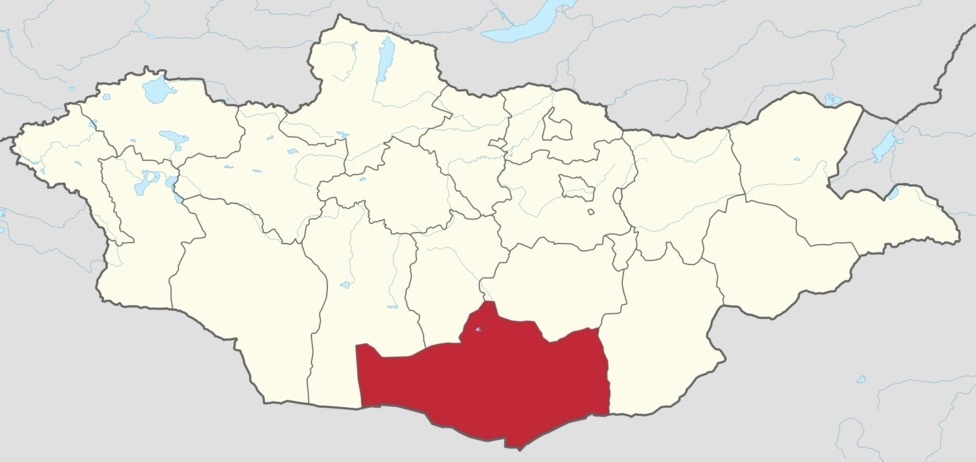
The province is rich in natural resources, including gold, copper, coal, and coalbed methane. Several mining companies operate in the region, contributing to Mongolia’s mining industry.
Ömnögovi is also world-famous for its paleontological discoveries. Fossilized dinosaur bones, eggs, and petrified wood dating back approximately 50–120 million years have been discovered in the region, offering fascinating insights into the prehistoric life that once inhabited the Gobi Desert.
These spectacular formations were created by wind and erosion over layers of mud and sediment that once lay beneath the sea. The cliffs rise approximately 60 meters high and stretch about 400 meters wide, with nearly vertical sides.
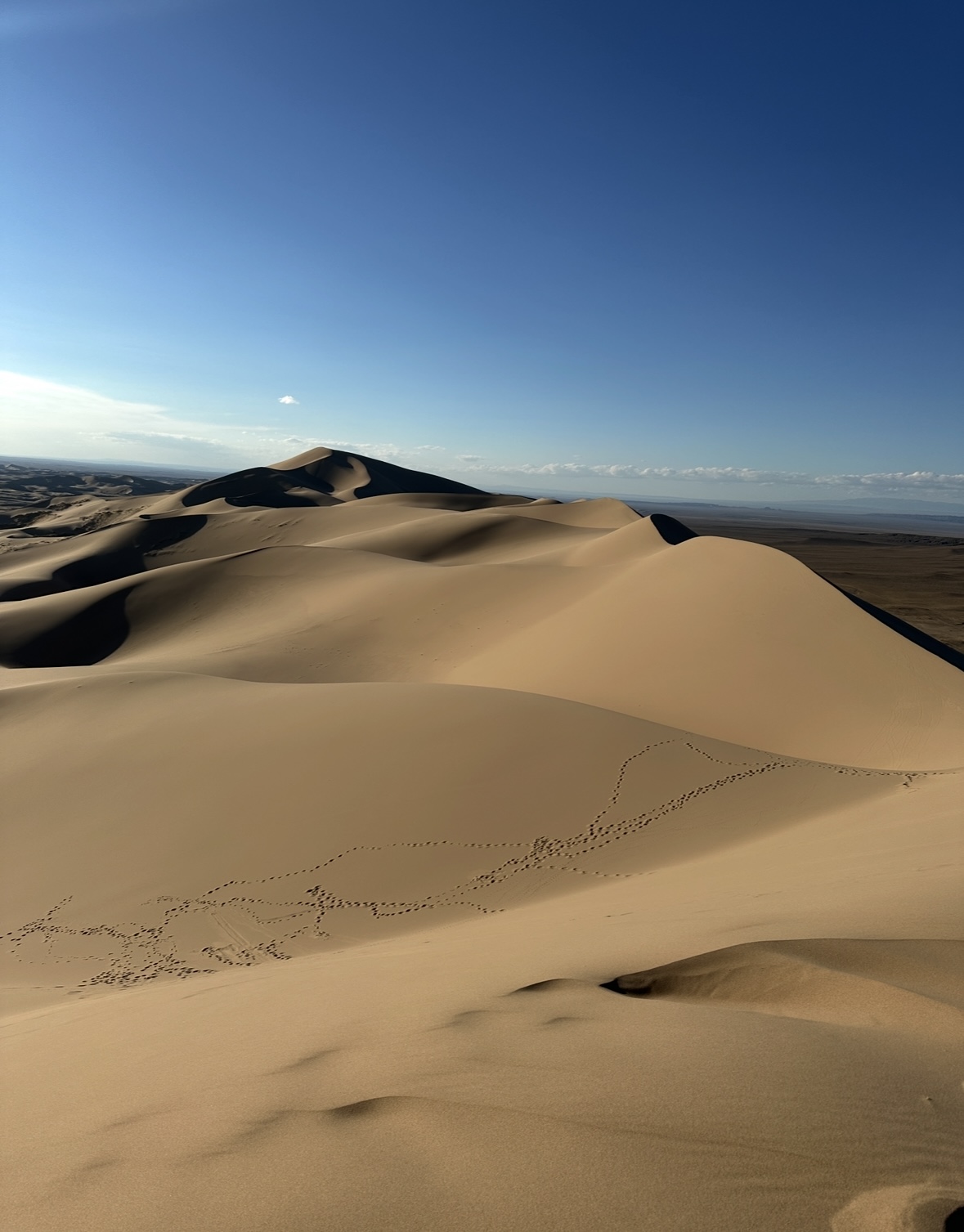
The highest point is known as the Singing Dune, rising approximately 195 meters high. Climbing to the top takes around one hour on average due to the steep, shifting sand.
When the wind blows, the dunes produce mysterious sounds that resemble musical tones. This unique phenomenon is why they are called the “Singing Dunes.”
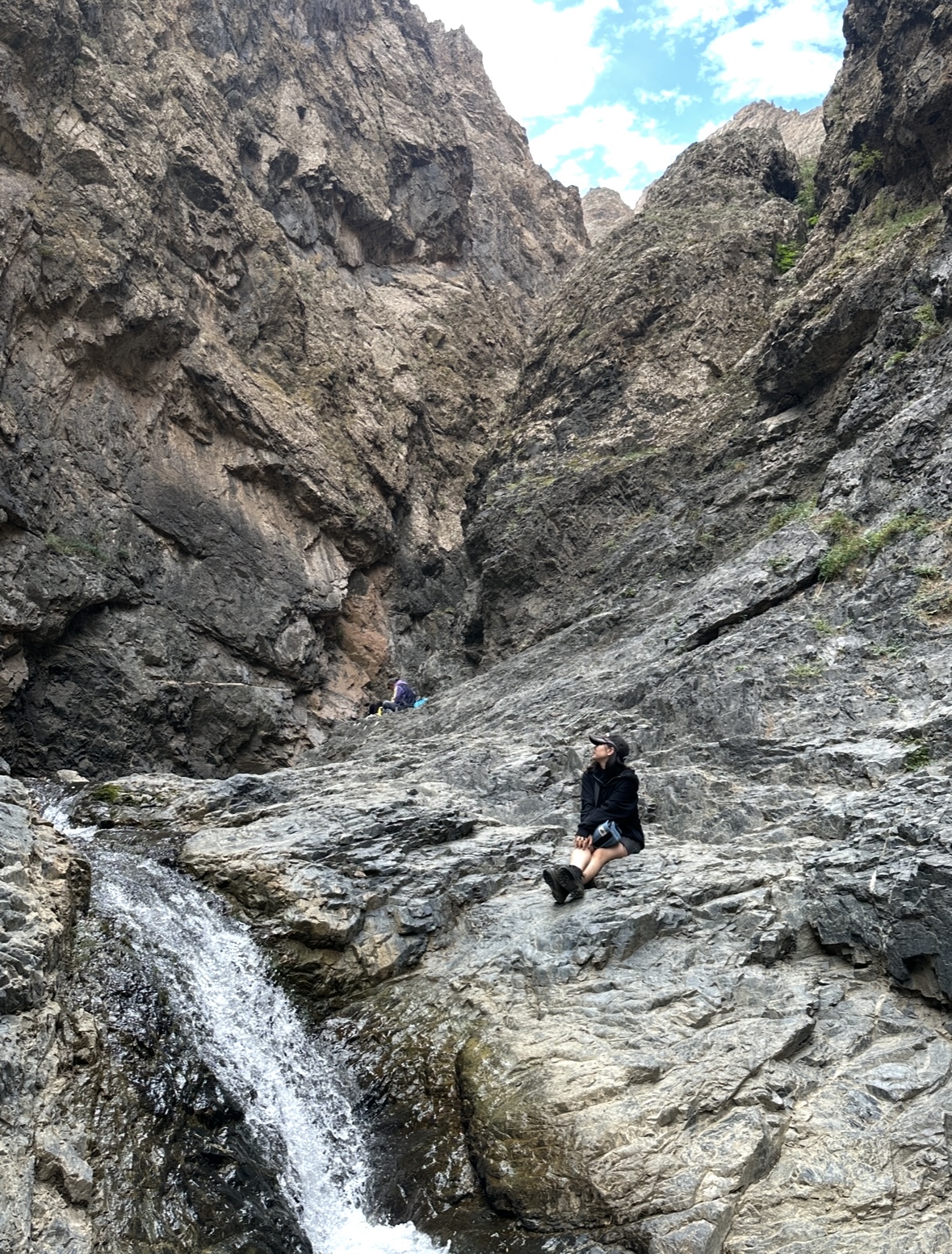
A small stream runs through the narrow gorge, which traditionally remained covered in ice during winter. Although the ice used to last throughout the year, much of it has melted in recent years due to global warming. In shaded areas where sunlight rarely reaches, ice more than one meter thick can still remain. In years with heavy rainfall, up to four waterfalls have been known to cascade down from the cliffs into the gorge.
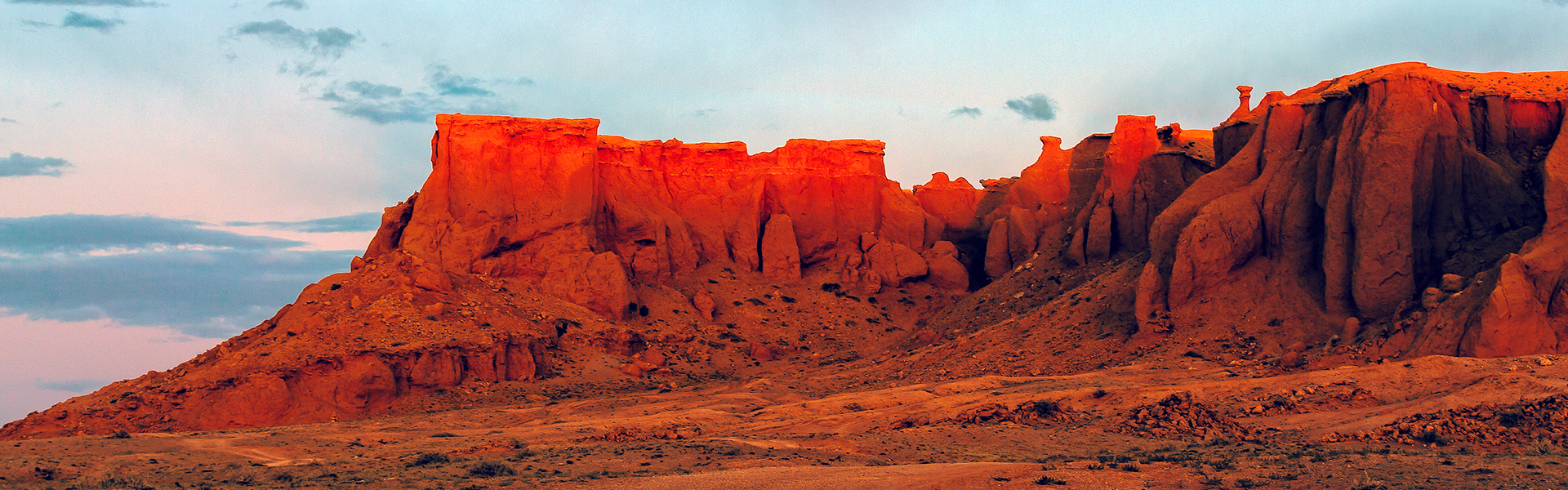
Researchers have found evidence that humans lived in this area around 40,000 years ago. The southern part of Bayanzag has also yielded dinosaur bones and fossilized eggs dating back approximately 60–80 million years, attracting worldwide attention.
In 1922, an American expedition led by Roy Chapman Andrews discovered dinosaur eggs measuring around 10–15 cm. This groundbreaking discovery provided some of the earliest evidence that dinosaurs laid eggs, making Bayanzag one of the most significant dinosaur fossil sites in the world.
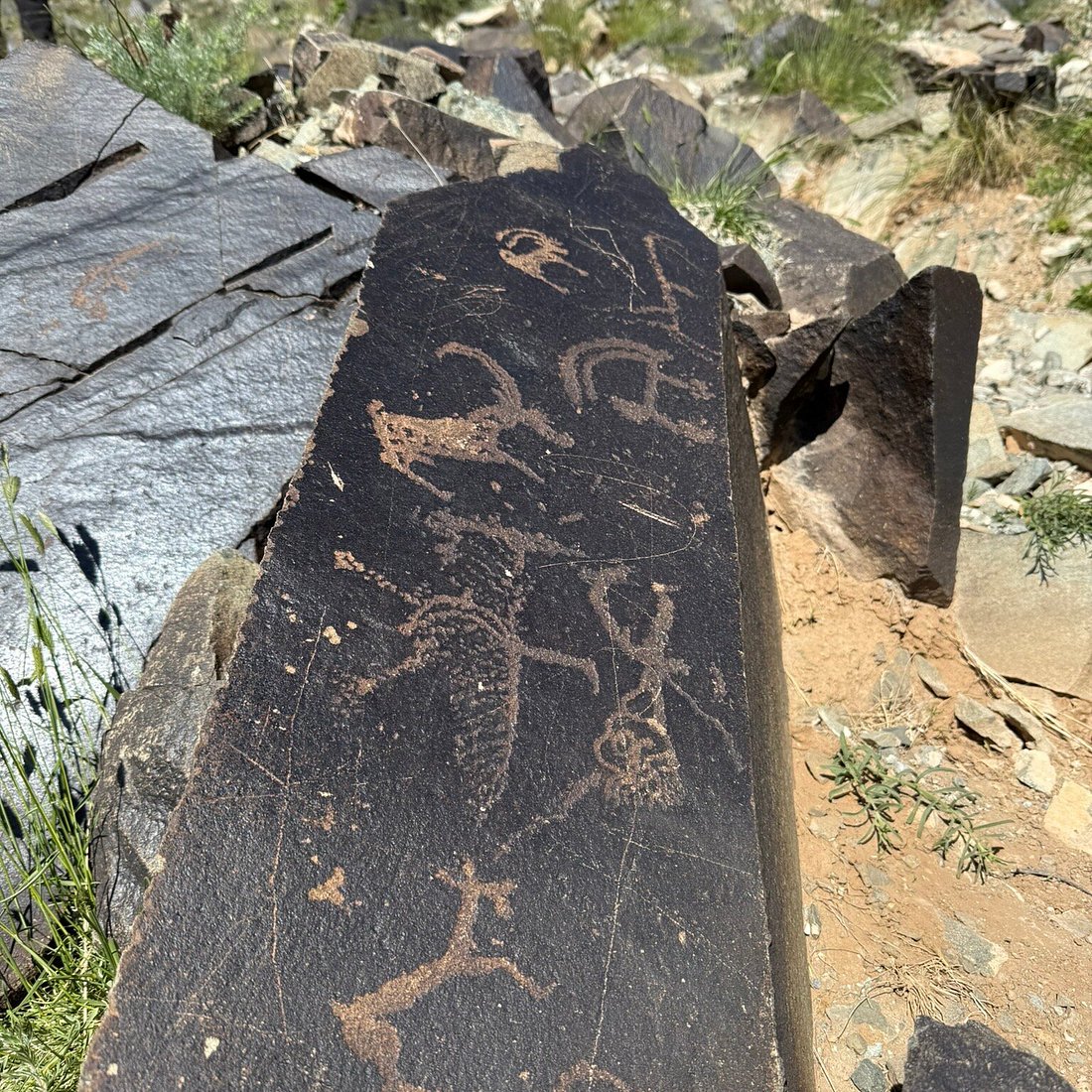
The scenes depicted are believed to date back approximately 3,000 years, nearly 1,000 years before the establishment of the Xiongnu Empire.
This demonstrates that Mongolia’s rock art tradition may preserve multiple layers of historical information, extending beyond artistic expression to include:
Interactions among ancient nomadic peoples across Eurasia
Connections with ancient Chinese historical and political records
Mythological beliefs and symbolic thought
Together, these elements make the Khavtsgait Rock Art Site a valuable window into the history, beliefs, and cultural interactions of ancient civilizations.
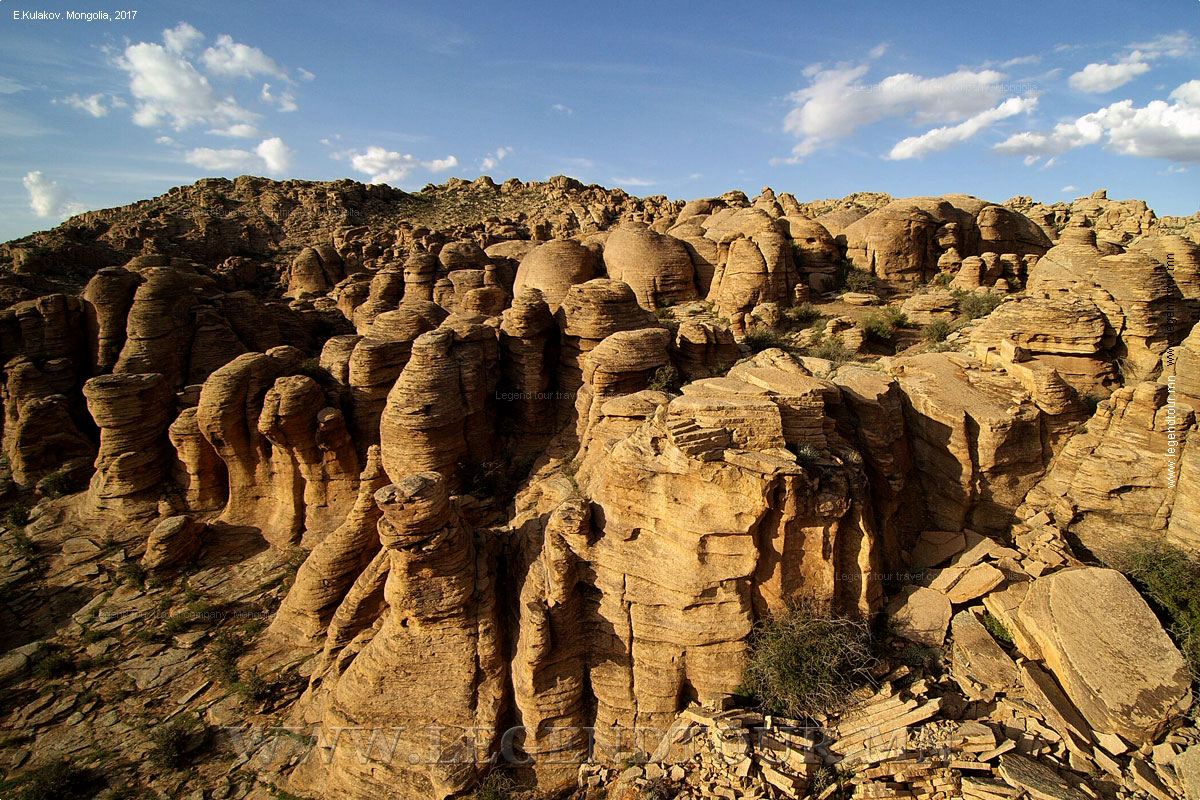
The cave lies at the foot of a small rocky hill in the northeastern central part of the vast valley of Baga Gazriin Chuluu. It has a wide entrance approximately 2 meters in diameter, with a steep passage descending deep beneath the rock, where rainwater flows underneath the rocky surface. The cave extends approximately 18 meters underground.
According to local legend, an elderly man once lived in the area with only one goat. One day, the goat wandered into the cave and disappeared. The old man went in after it but never returned. It is said that the cave was later sealed at a narrow section about 3 meters inside to prevent other people from entering.
Apricot trees grow around the cave, creating a beautiful landscape when they bloom in spring and summer.
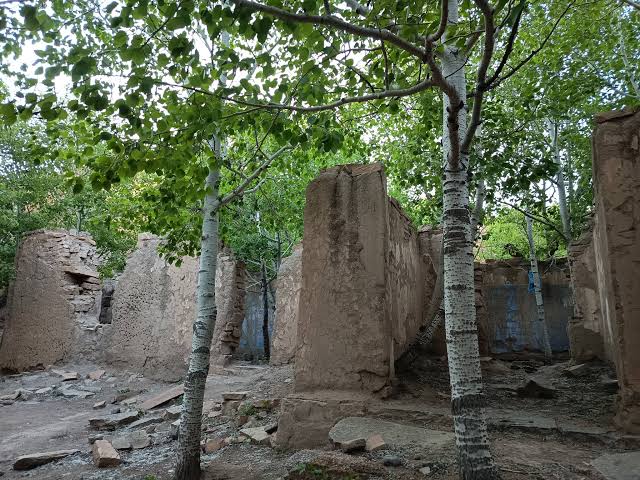
The monastery ceased its religious activities and was abandoned during the political repressions of the 1930s. Today, its ruins remain a historical site, offering a glimpse into Mongolia’s religious heritage and the region’s past.
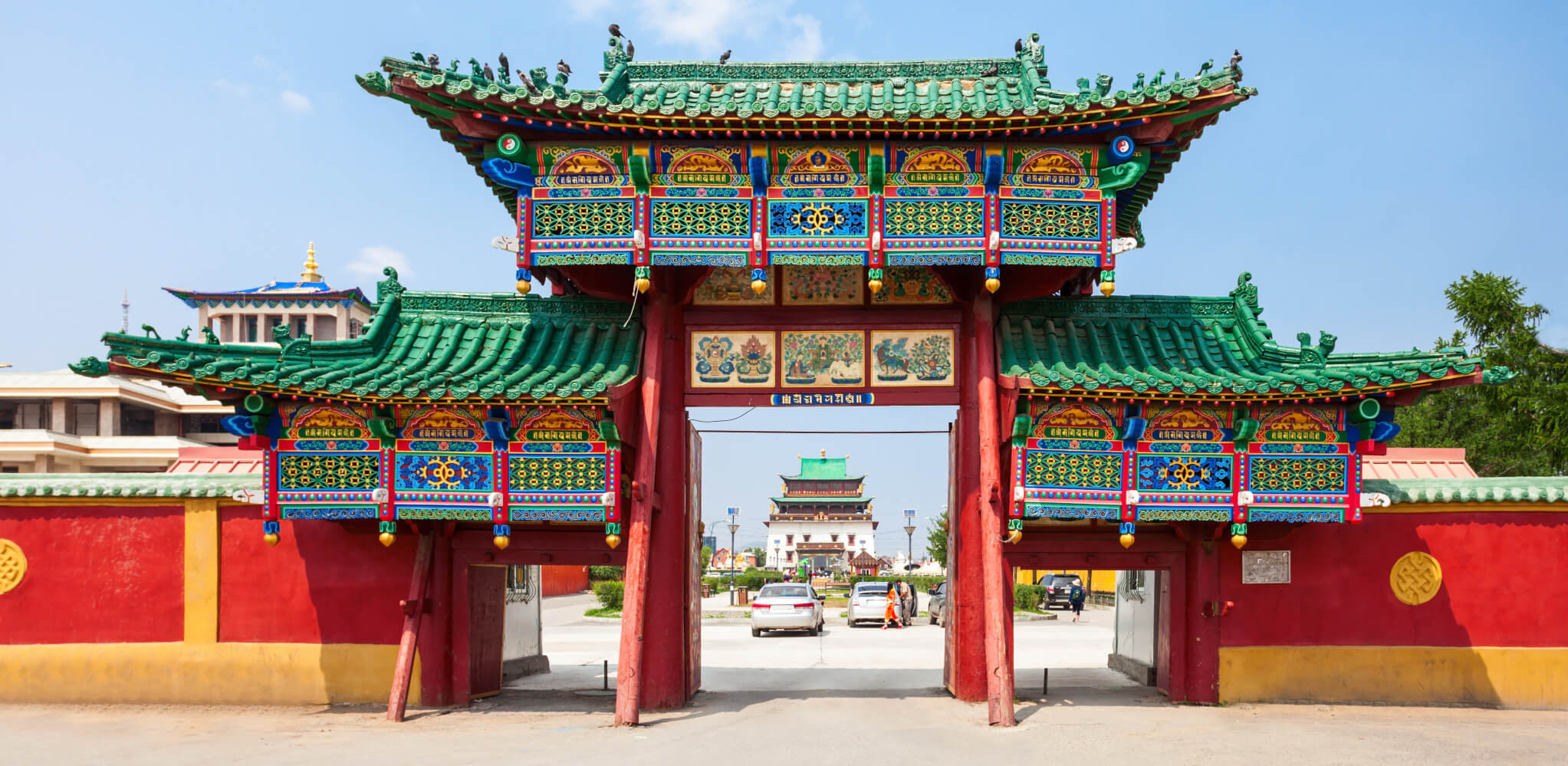
The monastery’s most remarkable attraction is the Migjid Janraisig Statue, a magnificent representation of Avalokiteshvara, the Bodhisattva of Compassion. In Buddhist belief, this deity listens to the prayers of all living beings and symbolizes compassion, mercy, and the wish to relieve suffering.
The original statue was commissioned in 1911 by Bogd Khan, Mongolia’s spiritual leader at the time. Standing 26.5 meters tall, it was made using gold, silver, copper, and precious stones. However, the statue disappeared during the religious purges of the 1930s.
Following Mongolia’s transition to democracy, the statue was recreated through public donations and unveiled on September 20, 1996. The new statue was crafted using approximately 19 tons of copper, decorated with 2,286 precious stones and around 76,000 pieces of gold leaf.
Today, visitors can admire this impressive work of Buddhist art and learn about Mongolia’s spiritual heritage and the enduring importance of compassion in Buddhist teachings.
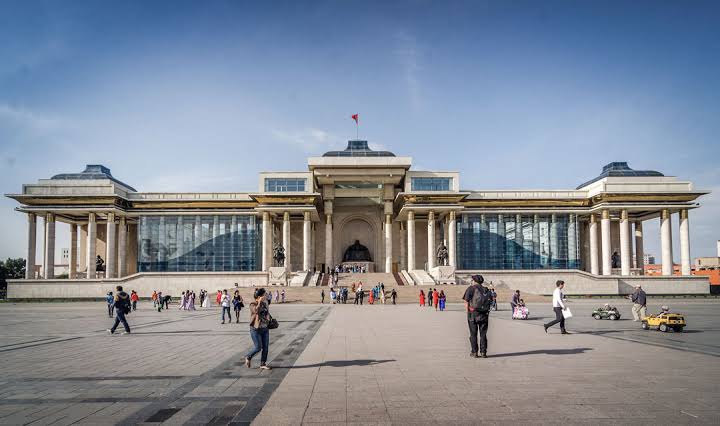
In 1946, on the 25th anniversary of the victory of the People’s Revolution, a statue of General Sukhbaatar was erected, and the square was paved and developed. The bronze statue depicts the general mounted on a horse, rising slightly in his saddle and pointing toward the east, where the sun rises.
On the northern side of the square stands the Government Palace, with a garden behind it. Until 2005, a mausoleum dedicated to Choibalsan and Sukhbaatar stood in front of the palace. It was subsequently removed, and in 2006, to commemorate the 800th anniversary of the founding of the Great Mongol Empire, a grand State Ceremonial Complex was constructed in its place.
The complex features seated statues of Genghis Khan, Ögedei Khan, and Kublai Khan, along with bronze equestrian statues of two distinguished warriors. Today, Sukhbaatar Square remains an important landmark for Mongolia’s political, historical, and cultural identity.
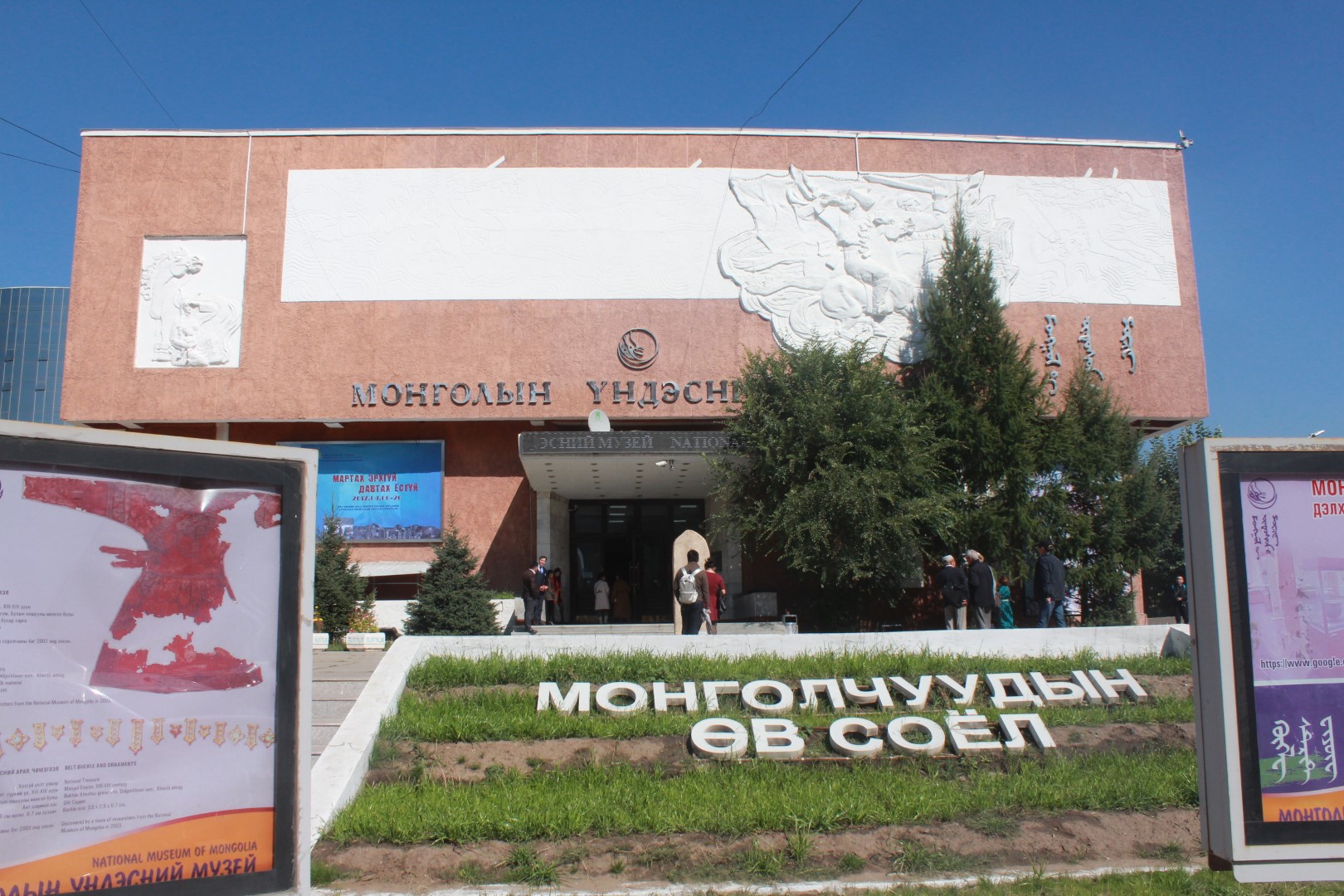
Its exhibitions span from the Paleolithic Age, when humans first inhabited the region, to the present day. Across 10 exhibition halls, visitors can explore archaeological discoveries, traditional customs, ethnic cultures, historical artifacts, and the evolution of Mongolian society.
The museum houses more than 50,000 artifacts and preserves over 30% of the museum collections in Mongolia, making it an important center for historical research, education, and cultural preservation.
Modern museum development in Mongolia began in 1924, with the first exhibition opening at the Winter Palace of Bogd Khan. The collection later expanded into the State Central Museum in 1956, bringing together artifacts related to Mongolian history, ethnography, art, natural history, and paleontology.
Today, the National Museum of Mongolia offers visitors a fascinating introduction to the country’s past and the traditions that continue to shape Mongolian life.
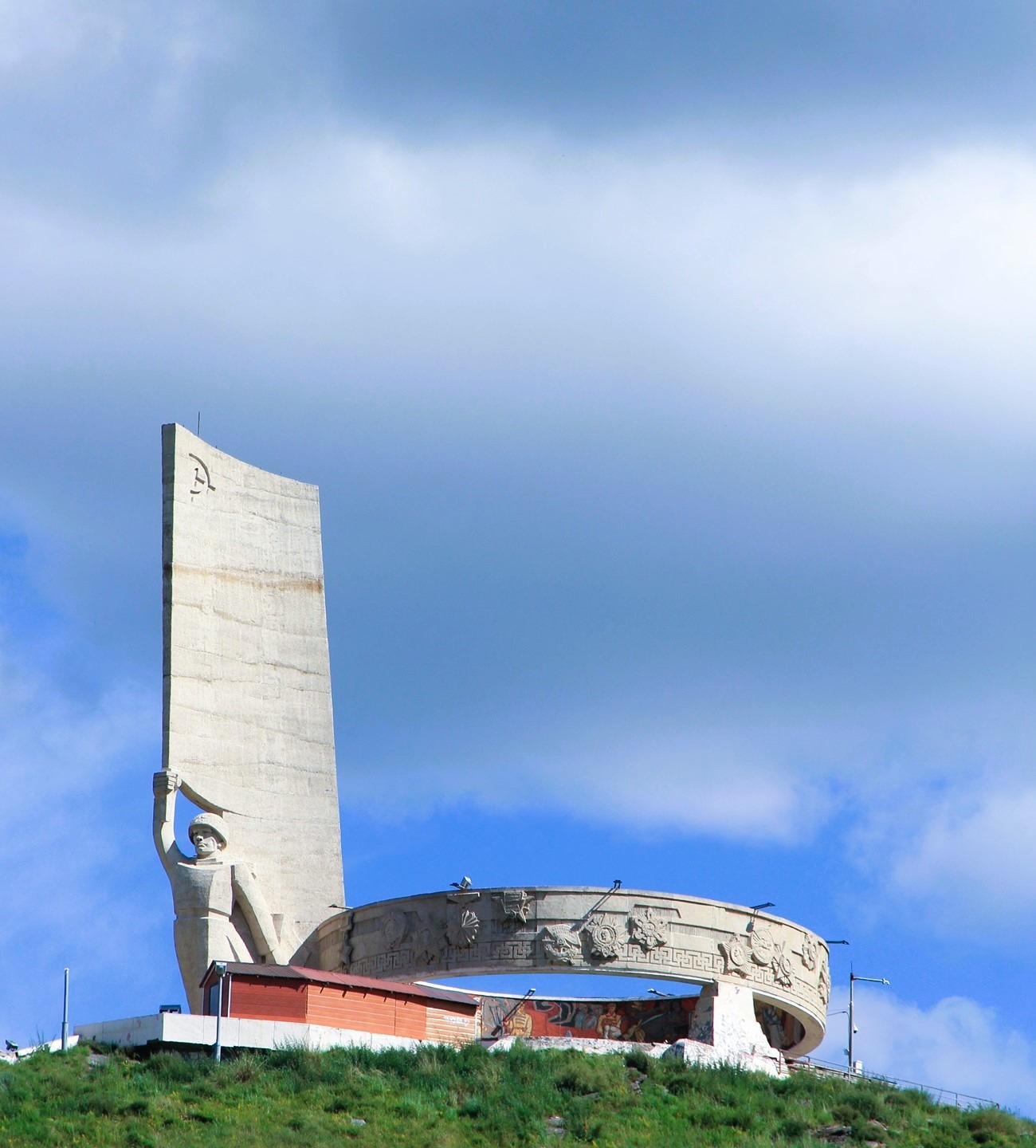
The hill is best known for the Zaisan Memorial, built in 1971 to commemorate Soviet soldiers who died during World War II and to mark the 50th anniversary of Mongolia’s 1921 People’s Revolution. The circular memorial features colorful murals depicting important moments in Mongolian and Soviet history, including their military alliance and shared wartime experiences.
At the foot of the hill, visitors can also see a Soviet tank memorial honoring the Mongolian people’s contribution to the war effort. Together, these monuments offer insight into Mongolia’s 20th-century history and its former relationship with the Soviet Union.
Today, Zaisan Hill is both a historical landmark and a favorite leisure destination for locals and tourists. Climbing the steps to the memorial rewards visitors with beautiful views of Ulaanbaatar, making it an ideal place for sightseeing and photography.
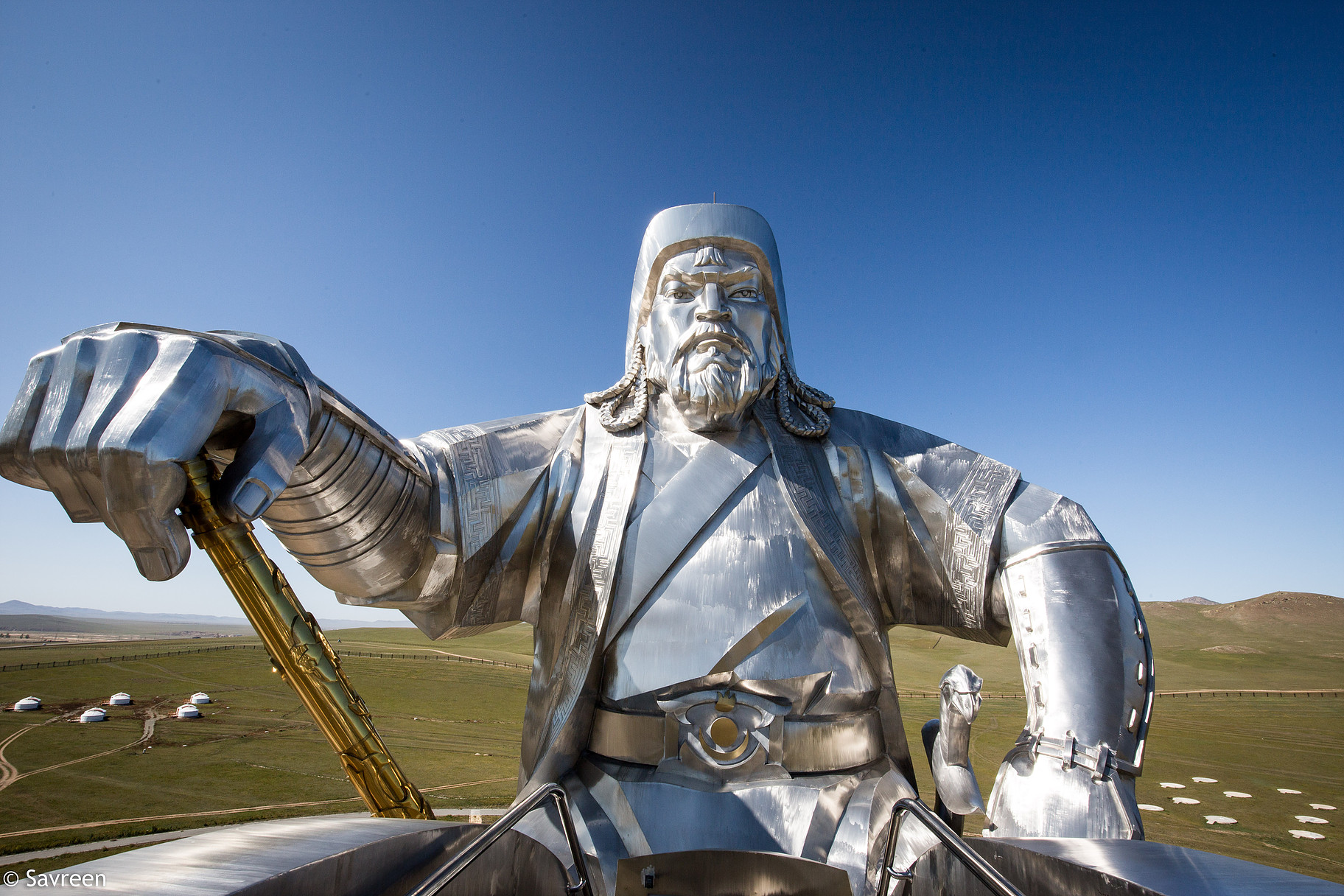
The statue is approximately 40 meters tall, including its base, and is one of Mongolia’s most iconic landmarks. Made from 250 tons of stainless steel, it depicts Genghis Khan proudly riding his horse and looking toward the horizon.
Visitors can take an elevator inside the monument and climb stairs to the horse’s head for spectacular panoramic views of the surrounding Mongolian steppe. The complex also features a small museum, souvenir shops, and a restaurant.
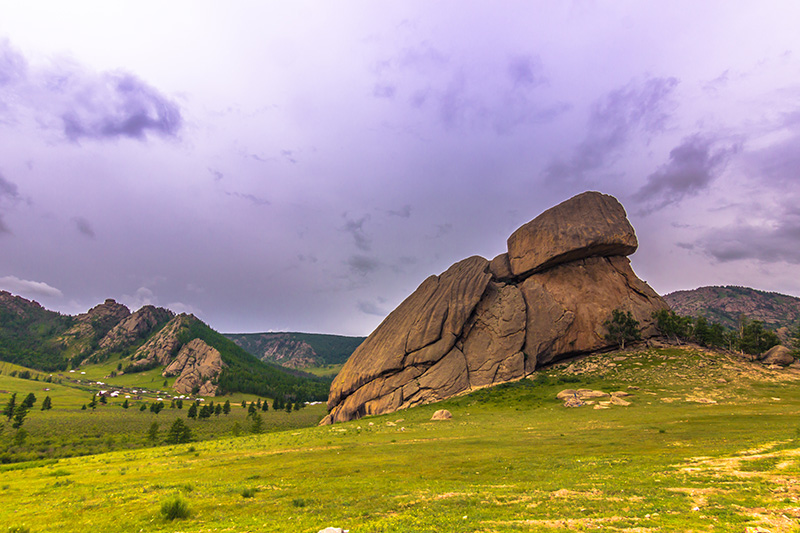
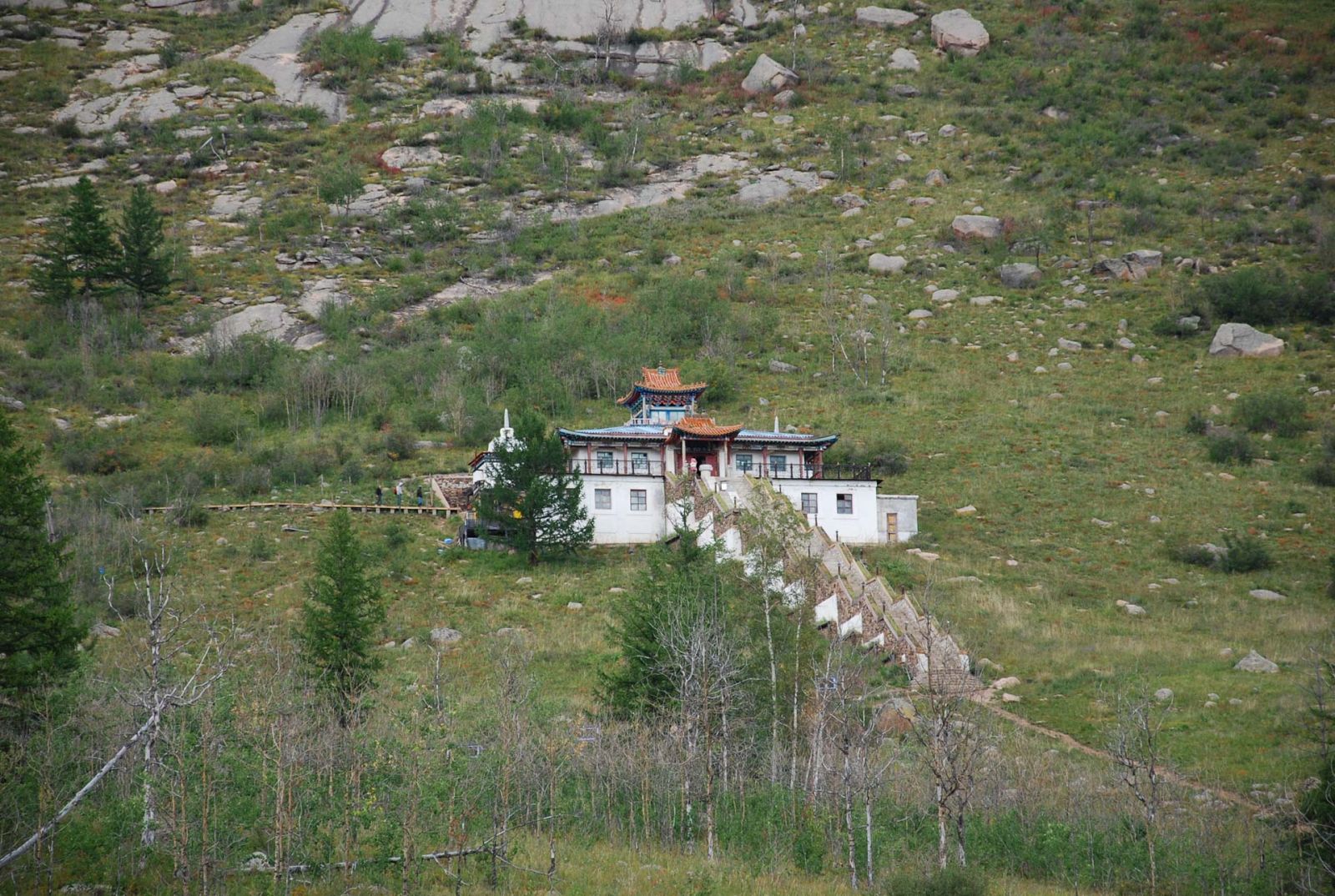
Set among the mountains of Gorkhi-Terelj National Park, the temple is reached by climbing 108 + 8 stone steps carved into the rocky hillside. According to Buddhist belief, reciting “Om Mani Padme Hum” with each step helps cleanse one’s sins and bring inner peace.
The site was chosen after a Tibetan lama reportedly recognized its natural springs and spiritual energy, making it an ideal place for meditation and spiritual practice.
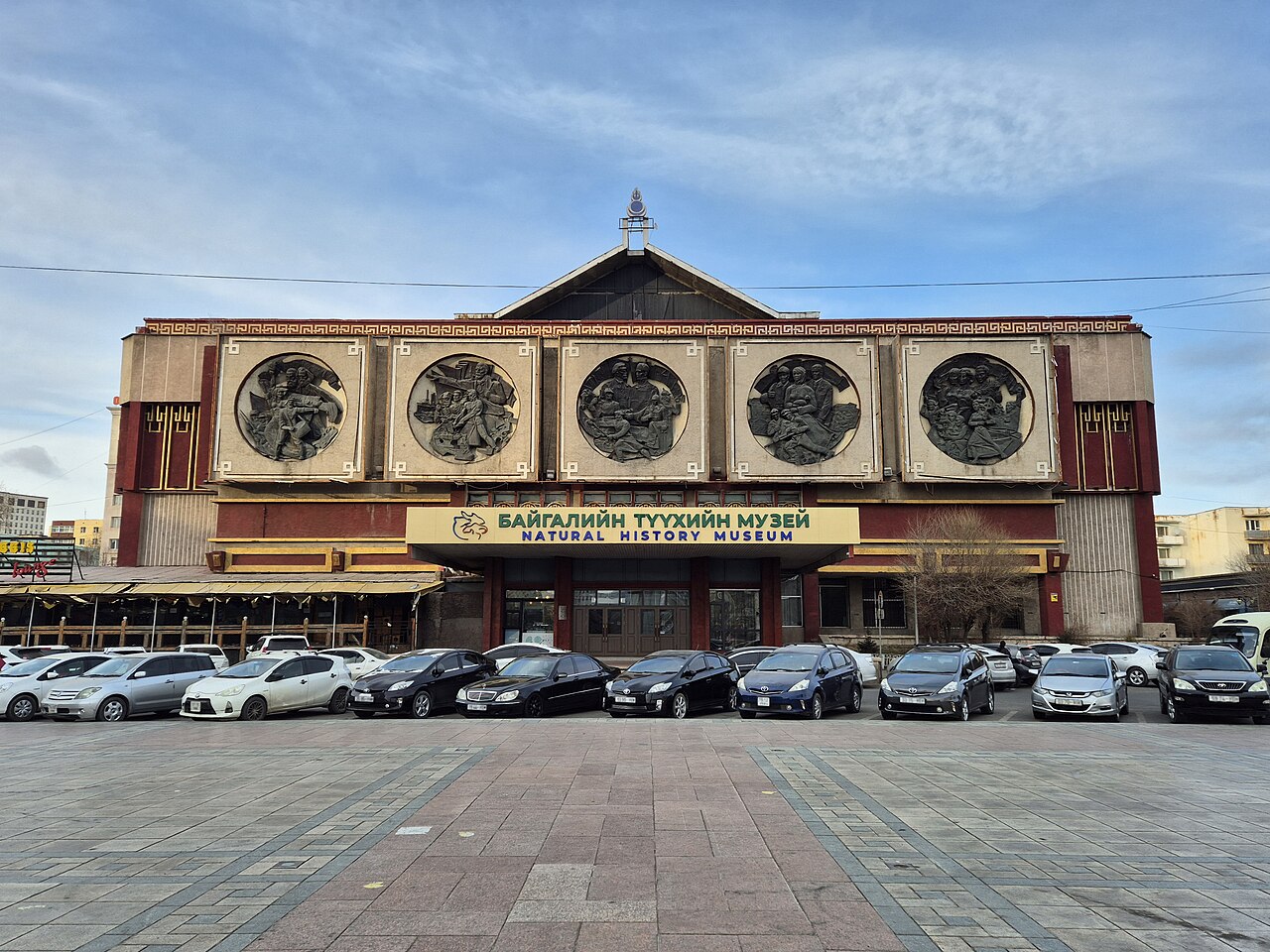
First Floor – The Origin and Evolution of the Universe
This floor explores the origins of the universe, the solar system, the Sun, the Moon and the Earth, as well as the Earth’s external and internal structure.
Second Floor – The Origin and Evolution of Life
Exhibitions cover the Paleozoic, Mesozoic, and Cenozoic eras, the origin and evolution of humans, geography, geology, and mineral resources.
Third Floor – Biological Diversity
This floor features exhibition halls and galleries showcasing plants, insects, invertebrates, fish, amphibians, reptiles, birds, and mammals. It also includes temporary exhibition spaces and an educational hall.
The museum offers visitors an opportunity to explore the natural history of Mongolia and gain a deeper understanding of the Earth’s geological development, the evolution of life, and the diversity of the natural world.
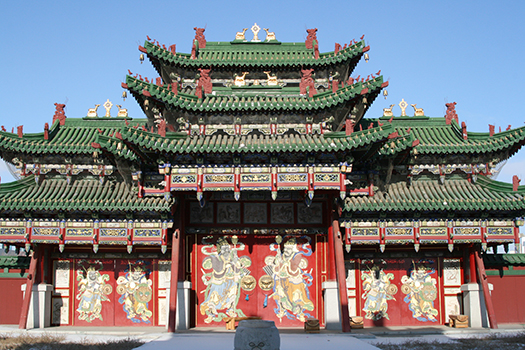
The museum was established in 1924, bringing together historical artifacts, works of art, Buddhist religious objects, ethnographic items, and taxidermy specimens of various animals that had been preserved in the palace.
In 1893, after the Bogd Khan’s palace within the Dechingalav compound was destroyed by fire, the eighth Bogd Jebtsundamba Khutuktu commissioned the construction of a new Green Palace on the northern bank of the Tuul River. The palace was built between 1893 and 1903 and later became an important part of Mongolia’s cultural heritage.
Today, the Bogd Khan Palace Museum offers visitors a fascinating glimpse into Mongolia’s royal history, Buddhist traditions, and artistic heritage.
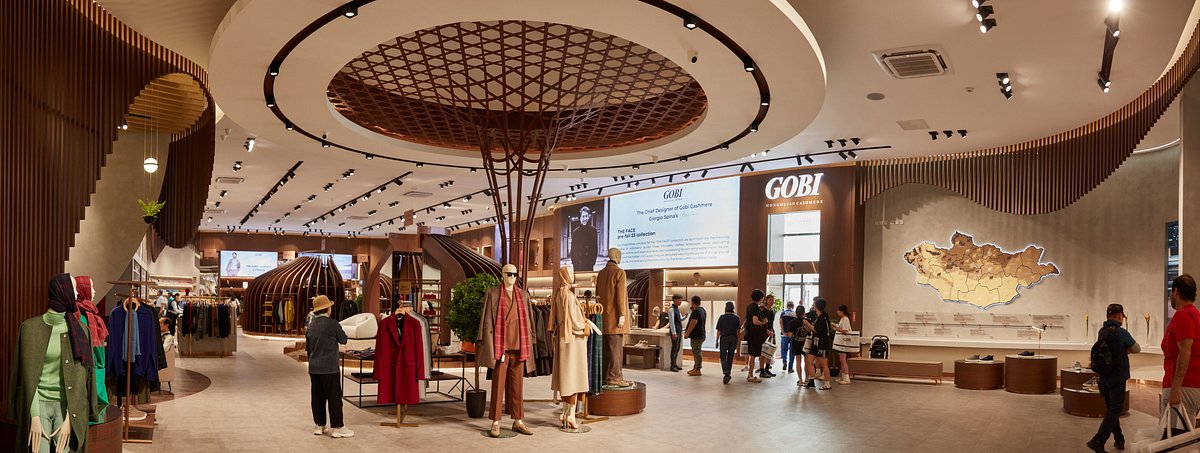
It is one of the few integrated cashmere manufacturers in the world, producing high-quality products from 100% Mongolian goat cashmere using advanced machinery and modern manufacturing technologies that meet international standards.
GOBI is renowned for its premium cashmere products, combining Mongolia’s rich nomadic heritage with modern textile craftsmanship.
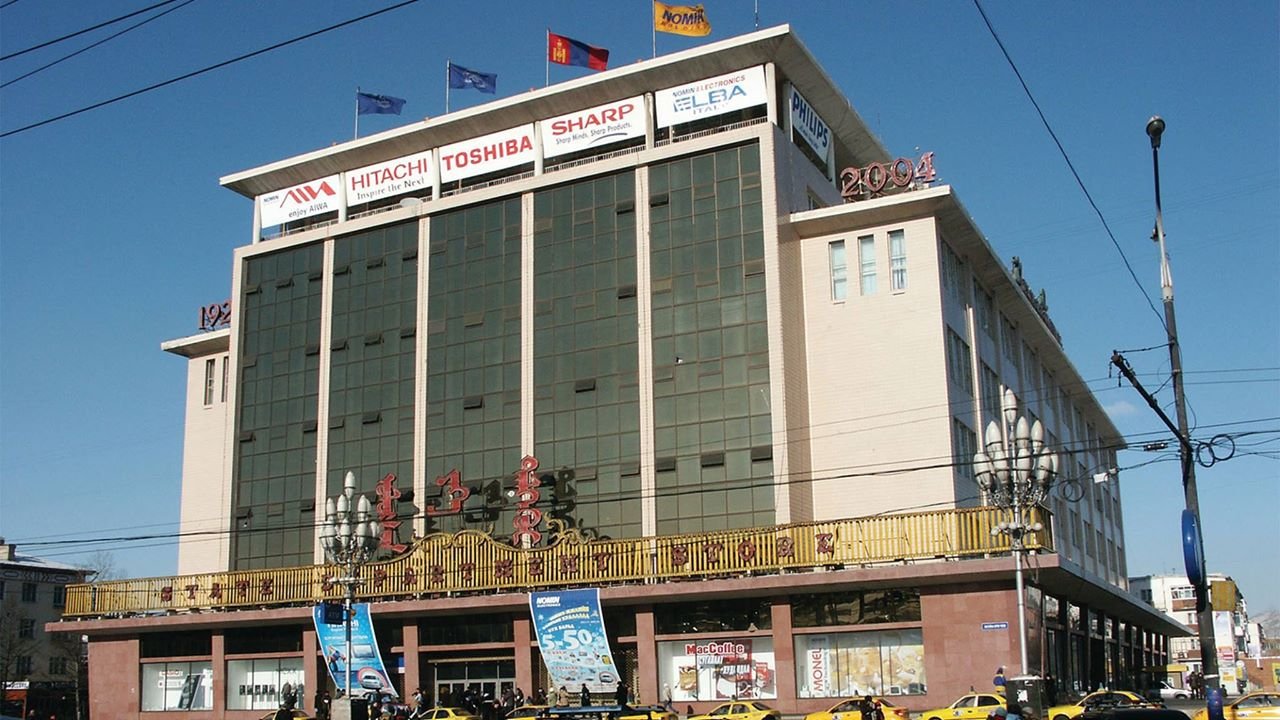
Whether you are looking for local products, international brands, souvenirs, or daily necessities, Nomin provides a convenient shopping experience where you can find almost everything you need in one place.
A convenient one-stop shopping destination for both locals and international visitors.
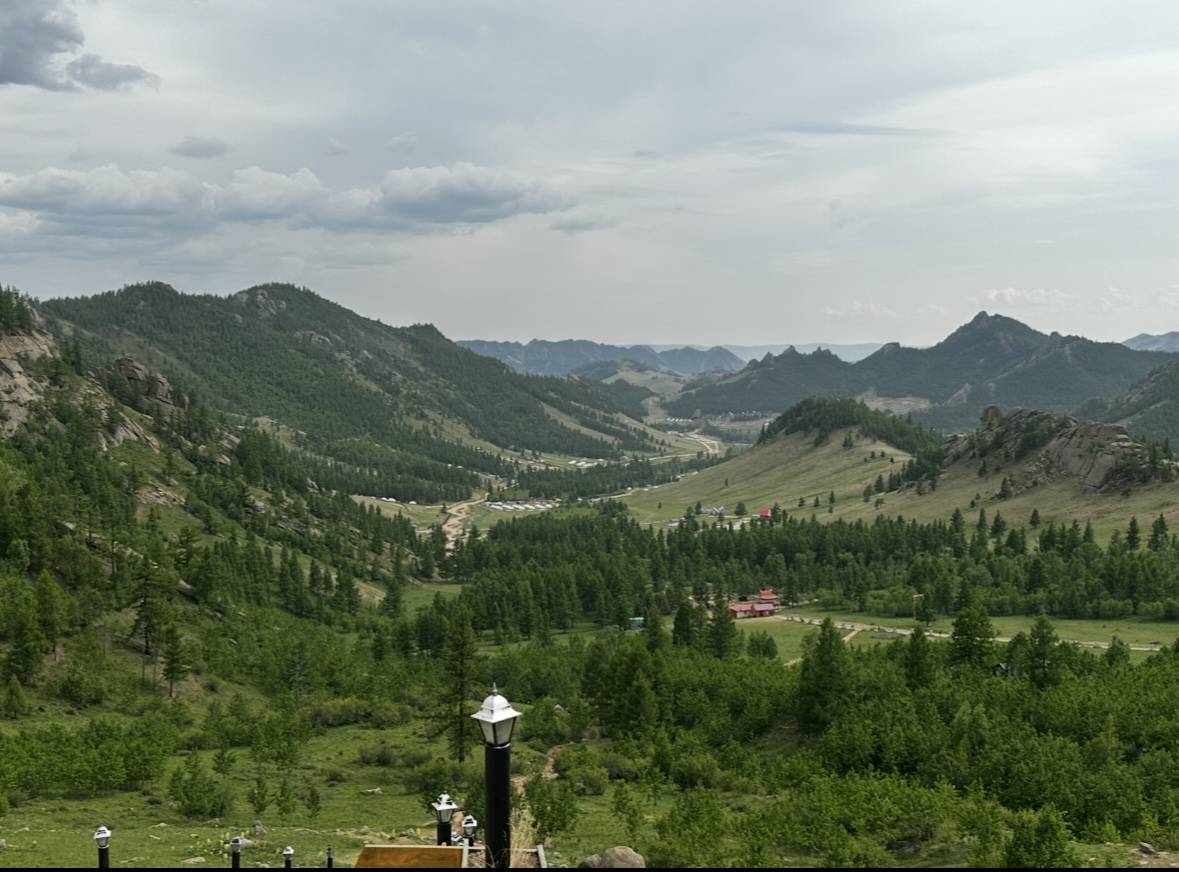
The Tuul River, one of Mongolia’s major rivers, flows through the region. Stretching approximately 888 km, it is an important natural waterway that adds to the beauty of the surrounding landscape.
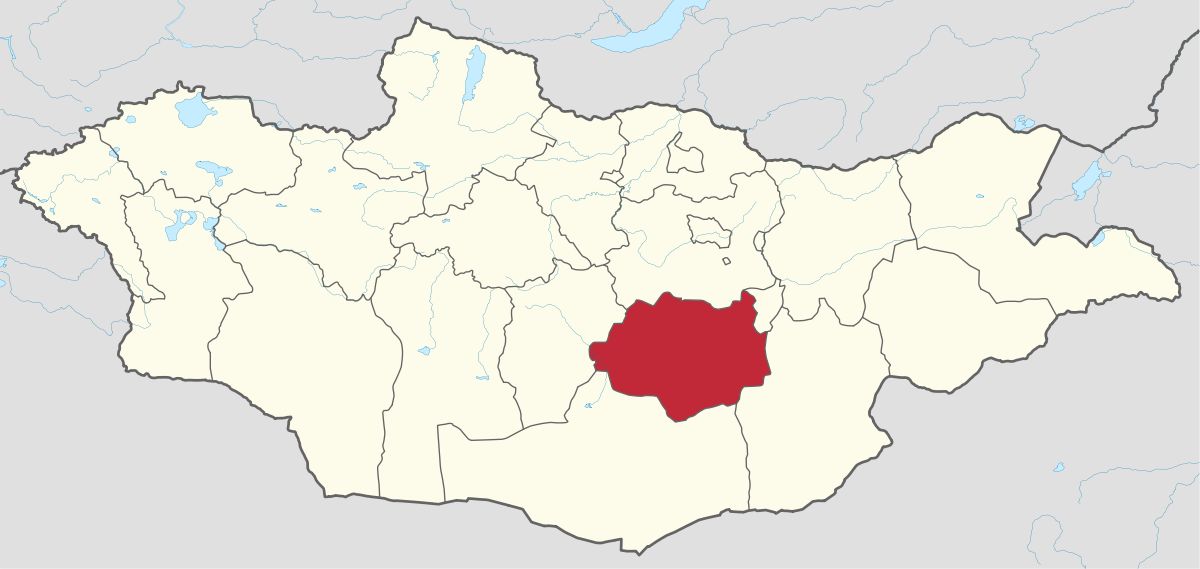
Dundgovi lies within a warm, extremely dry semi-desert and desert-steppe region, characterized by vast open landscapes, rolling hills, and a unique natural environment.
The climate is continental, with average temperatures ranging from −16°C to −19°C in winter and +17°C to +21°C in summer.
With its distinctive nomadic culture, traditional music, local delicacies, and beautiful steppe scenery, Dundgovi offers visitors an authentic glimpse into Mongolia’s traditional way of life.
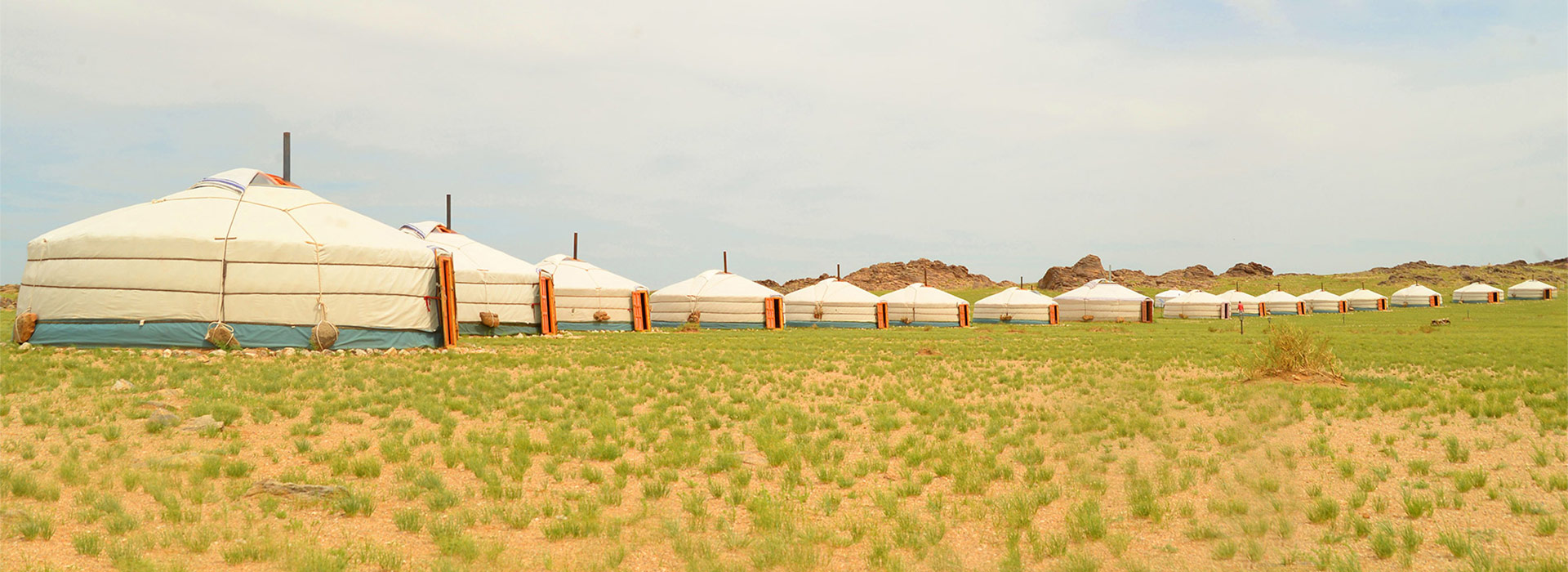
Traditional Ger Camps
Some ger camps offer a more traditional Mongolian experience. These gers may have no electricity or heating systems, and bathrooms and toilets are usually located outside the ger. Private showers may not be available, so guests should be prepared for basic facilities and a more rustic stay.
Modern Ger Camps
Other camps offer more modern accommodation, combining the traditional Mongolian ger design with contemporary comforts. Depending on the camp, facilities may include heating, electricity, an indoor private bathroom, and a shower.
Important Note: Facilities vary by location and accommodation type. We recommend checking the available amenities before booking to ensure that your accommodation meets your comfort and travel needs.
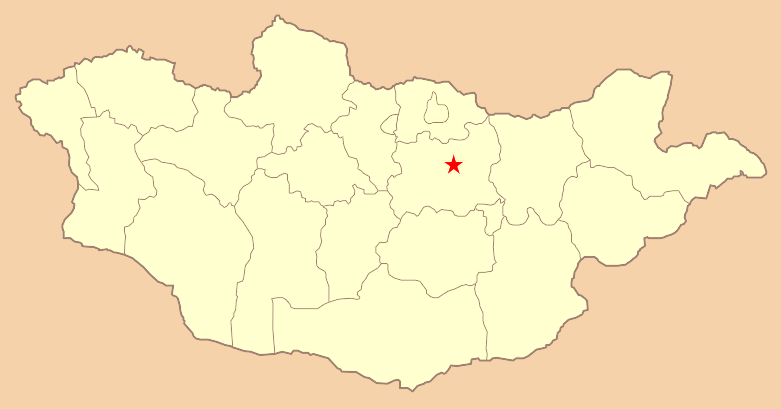
The city was founded in 1639 as a nomadic center of Buddhist monastic culture. Throughout its early history, it moved locations 29 times before finally settling at its present location in 1778.