

Introduction
In the remote, snow-capped peaks of western Mongolia lies a breathtaking cultural frontier far removed from the rest of the country. Here, in Bayan-Olgii province, the landscape is dominated by the majestic Altai Mountains, rushing glacial rivers, and a rich, distinct heritage: the Kazakh eagle hunters.
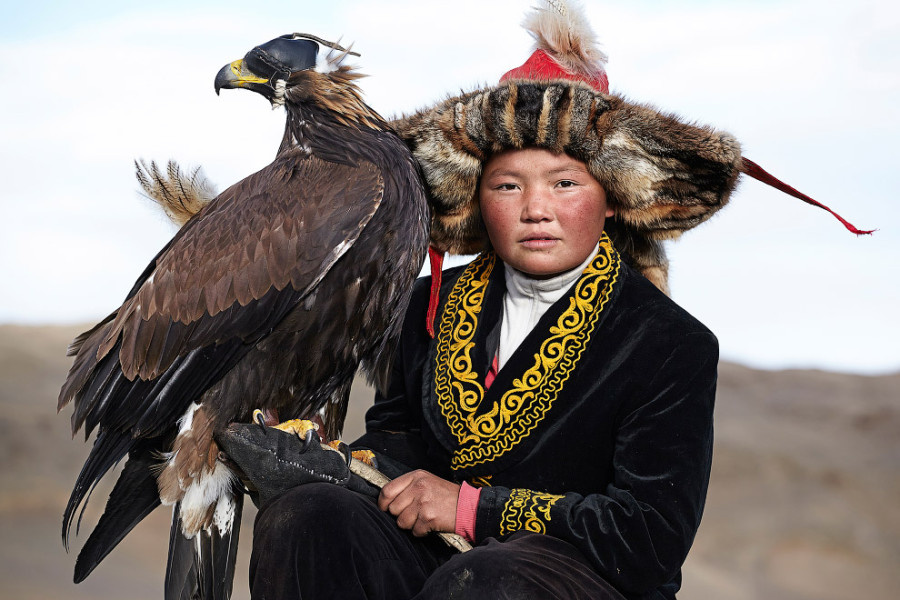
Accounting for Mongolia’s largest ethnic minority, the Kazakhs have preserved an ancient equestrian hunting tradition that has been passed down through generations for thousands of years. Partnering with formidable golden eagles, these master falconers command a level of awe and fascination that draws travelers, photographers, and documentary filmmakers from every corner of the globe.
In this ultimate guide, we explore the captivating world of Western Mongolia’s eagle hunters, the traditions of Kazakh culture, and everything you need to plan your expedition to Bayan-Olgii.
1. The Ancient Tradition of Eagle Hunting (Borkutshi)
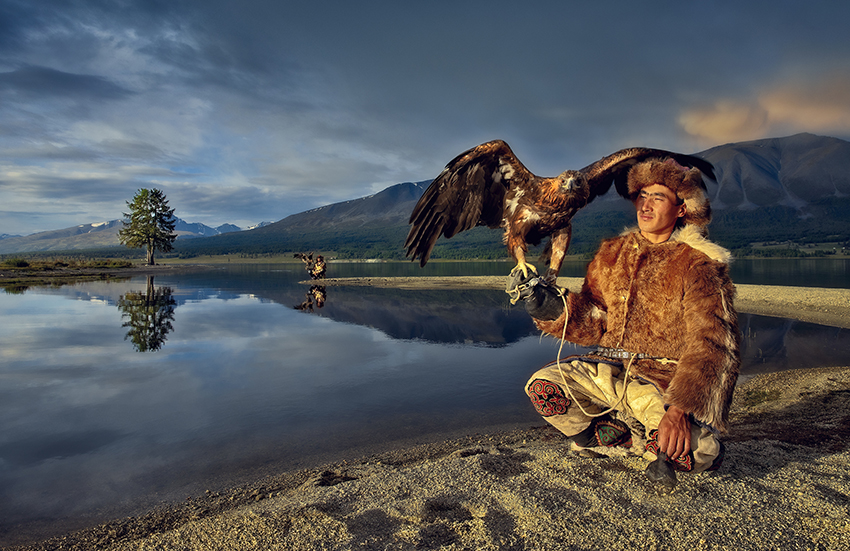
Eagle hunting—locally known as borkutshi—is not merely a sport or hobby; it is a profound way of life built on mutual trust, respect, and survival.
- Capturing and Training: Traditionally, hunters capture young female golden eagles (which are larger and more aggressive than males) from their nests in the high cliffs during autumn. The hunter then trains the bird over several years, forging an unbreakable bond.
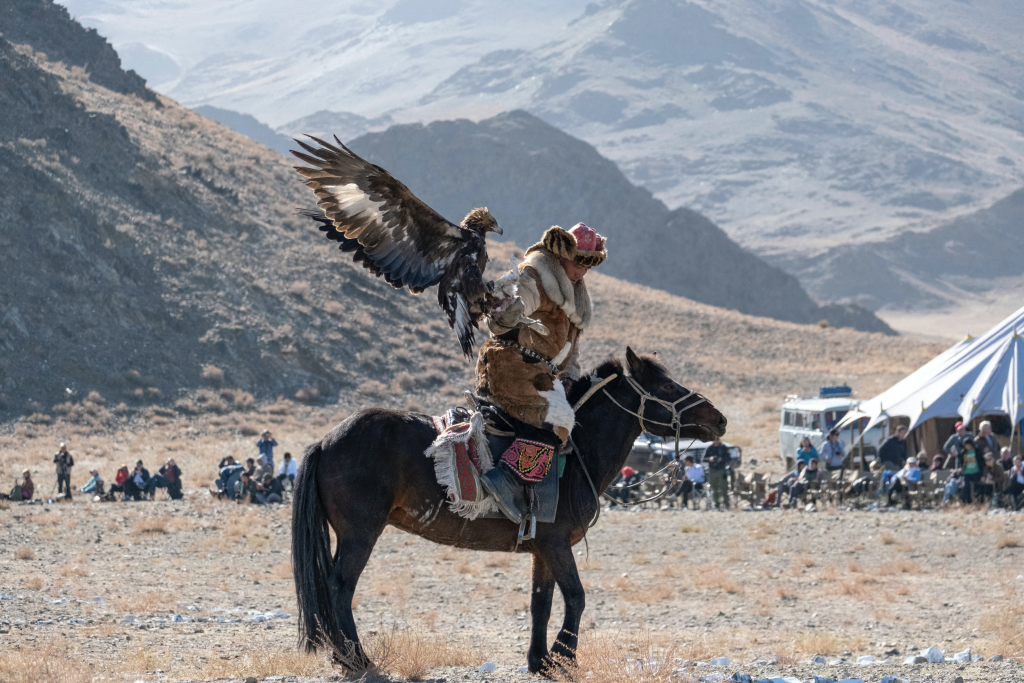
- The Hunting Partnership: During the harsh winter months when snow blankets the steppe, eagle hunters ride on horseback into the mountains with hooded eagles perched on their thick leather gauntlets. Using sharp vision, the golden eagle spots prey—such as corsac foxes and hares—from miles away, diving at speeds exceeding 150 miles per hour.
- Release into the Wild: Demonstrating deep ecological respect, many Kazakh eagle hunters release their eagles back into the wild after 10 to 12 years of partnership so the birds can live out their natural lives and breed.

2. Kazakh Culture & Lifestyle in Bayan-Olgii
Bayan-Olgii is culturally distinct from central and southern Mongolia. While the majority of Mongolia practices Buddhism, the Kazakhs are predominantly Muslim, adding a rich layer of cultural diversity to the country.
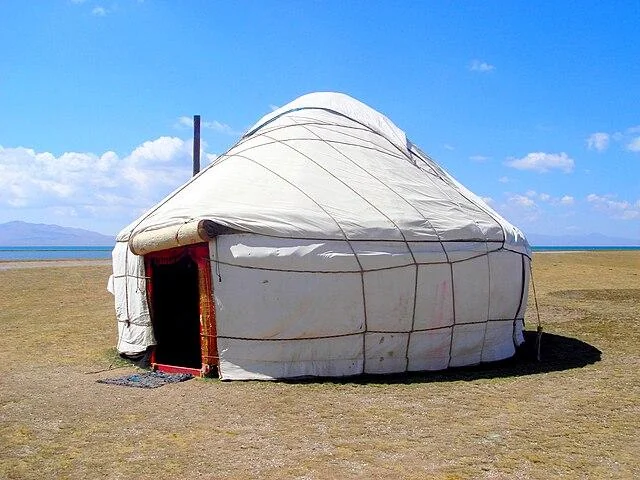
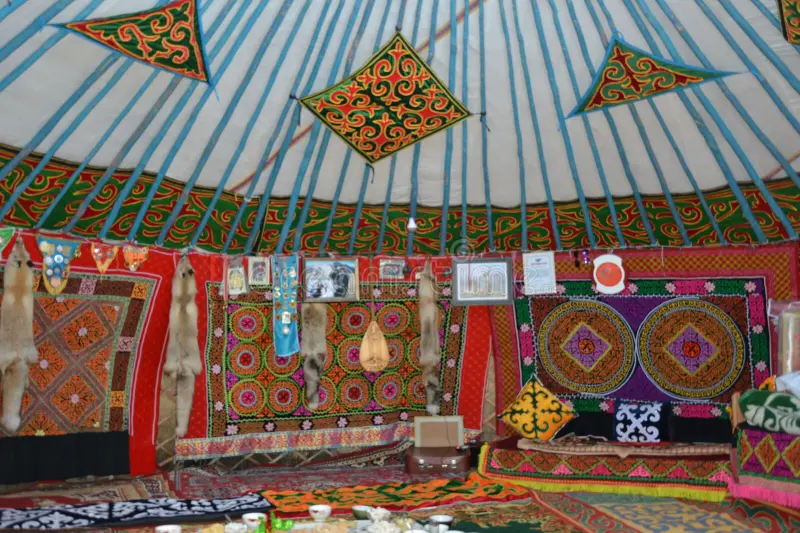
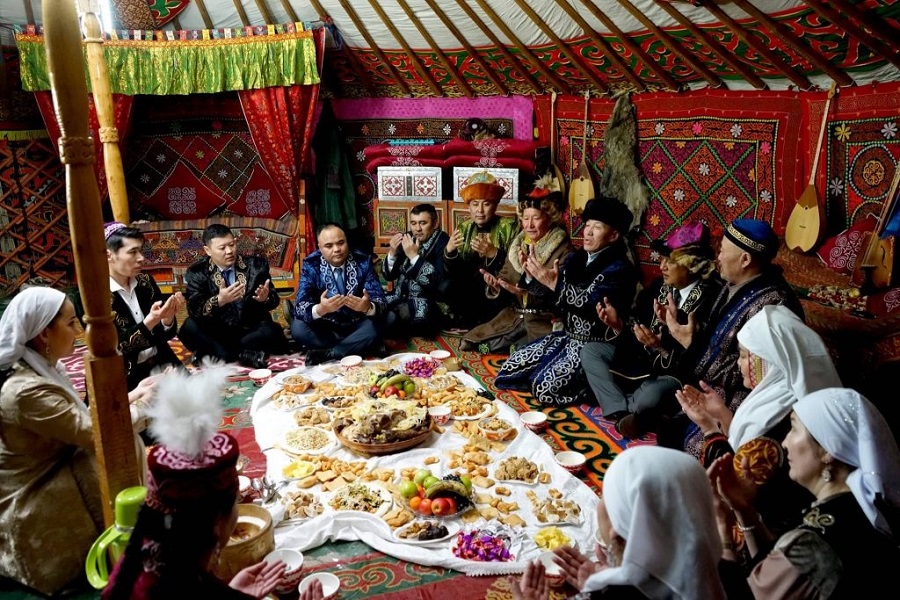
- Architecture and Hospitality: Instead of the traditional white Mongolian ger, Kazakh families often live in spacious, felt-covered tents known as kiyiz ui or in permanent stone-and-brick houses in Olgii town. Kazakh hospitality is legendary; guests are welcomed with hot tea, homemade bread (baursak), and hearty meat dishes like beshbarmak.
- Art and Embroidery: Kazakh women are renowned for their intricate felt wall hangings (tekemet and syrmak) featuring vibrant geometric patterns that symbolize family unity, strength, and prosperity.
- Music and Festivals: Traditional instruments such as the two-stringed dombra and soulful folk singing play a central role in evening gatherings and celebrations.
3. The Golden Eagle Festival & Annual Events
If you want to witness eagle hunters in action, timing your trip to coincide with autumn festivals is an unforgettable experience.
- The Annual Golden Eagle Festival (Olgii): Held every year in early October, this vibrant festival brings together over 70 master eagle hunters competing in speed, agility,ing, and calling their birds to artificial lures. It is accompanied by traditional camel races, horseback games like kokpar (tug-of-war on horseback), and bustling handicraft markets.
- Local Eagle Festivals: Smaller regional festivals take place in neighboring soums (districts) throughout September and October, offering a more intimate, crowd-free cultural experience.
4. Exploring Bayan-Olgii: Beyond Eagle Hunting
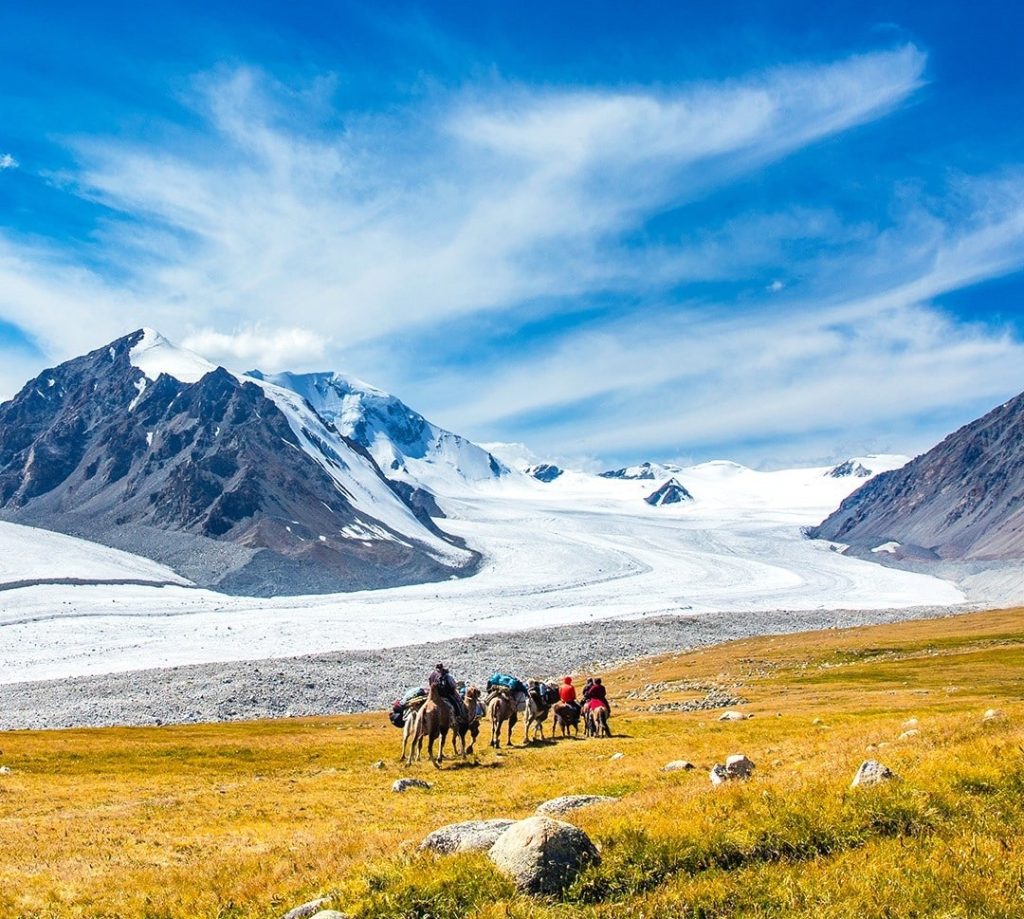
Bayan-Olgii is an outdoor playground for trekkers, mountaineers, and adventure seekers. Key highlights include:
- Altai Tavan Bogd National Park: Home to Mongolia’s highest peaks, glistening glaciers, and ancient petroglyphs dating back to the Bronze Age.
- Khoton and Khurgan Lakes: Pristine alpine lakes nestled in a lush valley surrounded by snow-capped mountains, perfect for fishing, hiking, and nomadic homestays.
- Olgii Town: The provincial capital featuring a vibrant local market, mosque, museum, and artisanal workshops where you can purchase authentic Kazakh embroidery and crafts.
5. Practical Travel Tips for Visiting Bayan-Olgii
- Best Time to Visit:
- Summer (June to August): Ideal for trekking, mountain climbing, and exploring alpine lakes.
- Autumn (September to October): Best for witnessing the Eagle Festivals, crisp weather, and witnessing hunters in action.
- How to Get There: Most travelers take a domestic flight from Ulaanbaatar to Olgii (approx. 3 hours), as driving overland across unpaved western routes takes multiple days.
- Guided Tours are Essential: Independent travel in remote western Mongolia is logistically challenging due to rugged terrain, language barriers (Kazakh and Mongolian), and lack of infrastructure. Booking a private tour with experienced local guides and 4×4 vehicles is strongly recommended.
Plan Your Western Mongolia Adventure with H&A Travel
At H&A Travel, we specialize in designing customized, authentic cultural and adventure expeditions to Bayan-Olgii. From securing festival tickets and arranging private 4×4 transport to connecting you with authentic Kazakh eagle-hunting families, our local experts handle every detail.
Ready to witness the majestic golden eagles of the Altai Mountains? Explore our curated Western Mongolia Tour Packages or contact our local travel experts today to start planning your once-in-a-lifetime expedition!