

To an outsider, the native Mongolian horse (Aduu) might look surprisingly small at first glance—standing at just 12 to 14 hands tall, often classified as pony-sized by Western standards. But do not let their modest stature fool you.
These hardy, semi-feral steeds carried Genghis Khan’s warriors across half the known world in the 13th century, building the largest contiguous land empire in human history.
Today, there are more horses in Mongolia than there are people, and they remain the pulsing heart of nomadic steppe culture.
So, what makes the Mongolian horse so extraordinary? From extreme biological adaptations to deep cultural significance, here is the secret behind the iconic horse of the steppes.
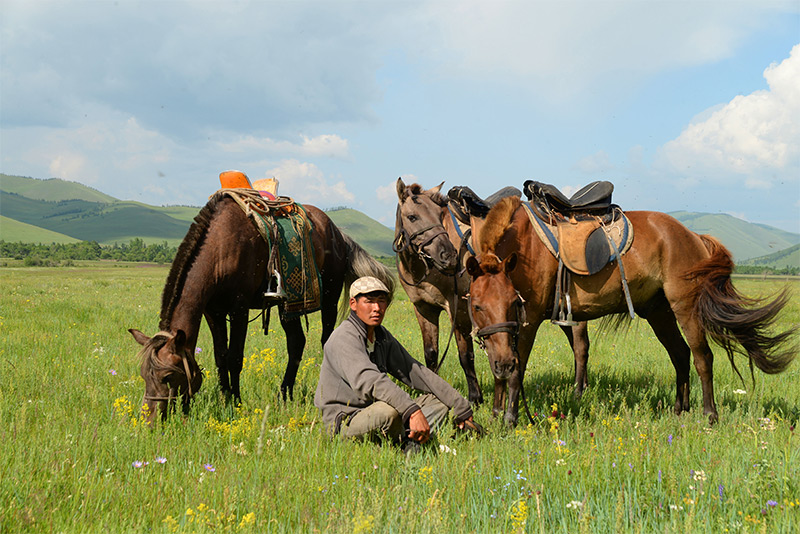
1. Built for Extremes: Surviving -40°C to +40°C
Unlike Western domestic horses that spend their lives in sheltered stables with groomed feed and tailored horseshoes, Mongolian horses live outdoors year-round in total freedom.
They endure one of the most hostile climates on Earth:
- The Winter Thick Coat: As freezing winter (Dzud) conditions approach, Mongolian horses grow an exceptionally thick, dense winter coat and store heavy fat reserves beneath their skin.
- Snow Digging (Foraging): When heavy snow covers the grass, these tough animals use their strong, hard hooves to paw through deep snowdrifts to reach buried vegetation.
- Unshod Hooves: Mongolian horses rarely wear metal horseshoes. Their hooves are naturally thick, hard, and sure-footed across rocky mountains, marshy valleys, and sandy desert dunes.
2. Unmatched Endurance over Long Distances
While Thoroughbreds excel at short, explosive bursts of speed on manicured racetracks, the Mongolian horse is the ultimate long-distance endurance athlete.
During the height of the Mongol Empire, riders on the Yam postal network covered up to 200 miles (320 km) a day by swapping fresh mounts at relay stations. A single Mongolian horse can easily trot 30 to 40 miles a day over rugged terrain carrying an adult rider—and repeat the journey day after day on a diet composed entirely of wild natural grasses.
“A Mongol without a horse is like a bird without wings.” — Traditional Mongolian Proverb
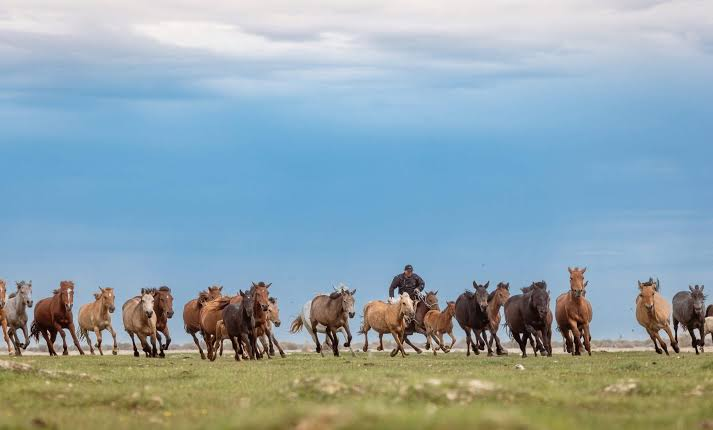
3. Semi-Feral Nature & Natural Herding Instincts
Mongolian horses are not strictly wild, nor are they fully domesticated in the Western sense. They live in semi-feral herds (Aram) led by a dominant stallion who protects his mares and foals from predators like wolves.
Key characteristics of their wild spirit:
- Self-Reliance: They do not rely on humans for feed, water, or shelter. They find their own water sources and navigate dangerous weather independently.
- Incredible Directional Memory: A Mongolian horse can memorize vast landscapes and find its home camp from dozens of miles away, even during night blizzards.
- Natural Group Instinct: When ridden in a line or group across the open steppe, they move together with innate harmony and rhythm.
4. The Heart of Nomadic Life & Culture
The relationship between a Mongolian nomad and their horse is built on deep respect rather than pet-like affection.
- Airag (Fermented Mare’s Milk): During summer, nomadic families milk the mares every two hours to produce Airag, Mongolia’s national traditional beverage packed with vitamins and minerals.
- Naadam Festival Racing: Horse racing is one of the “Three Manly Games” of Naadam. Unlike Western short-track races, child jockeys race Mongolian horses across raw steppe terrain over distances of 10 to 26 kilometers (6 to 16 miles)!
- Morin Khuur: Mongolia’s iconic two-stringed instrument, the Horsehead Fiddle, is carved with a horse’s head on top and traditionally strung with horsehair from a stallion and mare.
Riding a Mongolian Horse: What Travelers Should Know
Embarking on a horseback riding trek across Mongolia’s endless prairies is a true bucket-list experience. If you plan to ride a Mongolian horse, keep these tips in mind:
- Mount from the Left Side Only: Mongolian horses are trained to be handled and mounted exclusively from their left side.
- Avoid Bright Flapping Clothes: Loose, noisy rain jackets or flapping scarves can startle semi-wild horses.
- Respect Their Spirit: They respond best to calm, confident riders who allow them to pick their footing on rugged trails.
Experience Riding on the Mongolian Steppe with H&A Travel
Whether you are a beginner looking for a gentle afternoon horse ride in Terelj National Park or an experienced rider seeking a multi-day trail riding expedition through the Orkhon Valley, H&A Travel offers custom horseback adventures suited for every travel style.
Guided by experienced local horsemen, you will traverse pristine river valleys, camp beneath star-filled skies, and feel the true freedom of the open steppes.