

If you want to truly understand modern Mongolia, its culture, and the mind of Genghis Khan, there is one literary masterpiece you must know: The Secret History of the Mongols (Mongolyn Nuuts Tovchoo).
Written shortly after the death of Genghis Khan in the 13th century, this ancient text is not just Mongolia’s oldest surviving literary work—it is the only primary source written by the Mongols themselves about their own origins and empire.
While Persian, Chinese, and European chroniclers often portrayed the Mongols as enigmatic conquerors from the wild steppes, The Secret History offers a raw, intimate, and unfiltered look at the human behind the legend.
Here is the fascinating story of this ancient text, why it was hidden for centuries, and why it remains deeply relevant for travelers visiting Mongolia today.
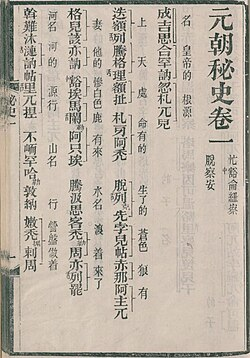
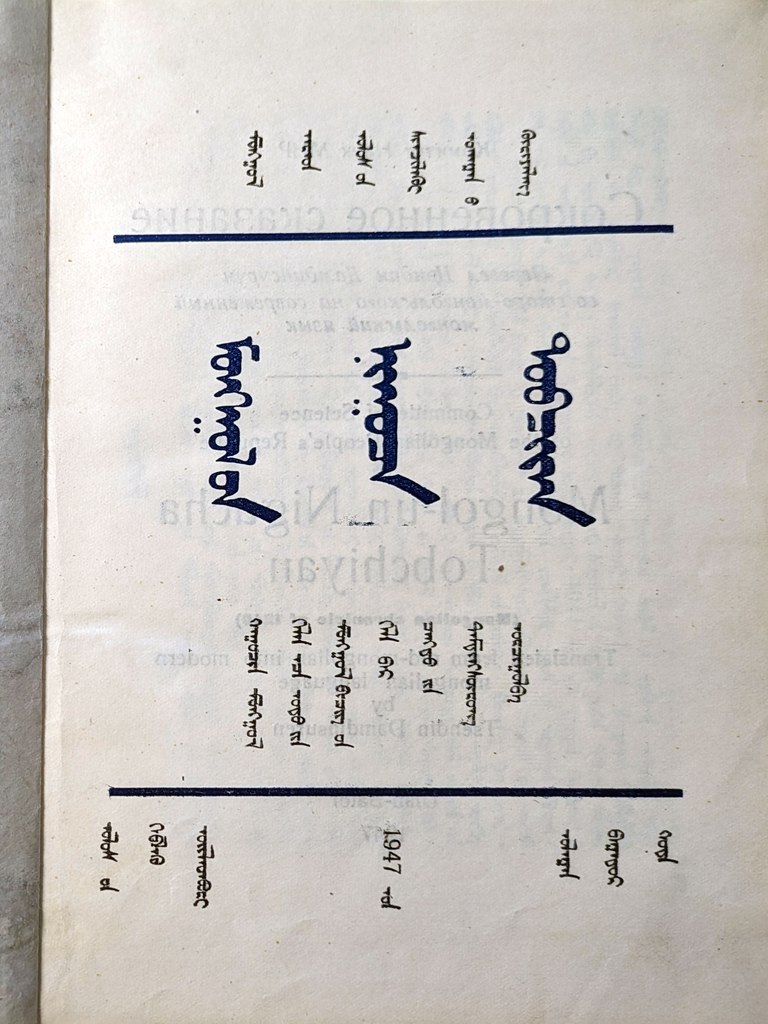
What Is “The Secret History of the Mongols”?
Composed around 1240 AD by an anonymous author, The Secret History of the Mongols was written using the Uyghur-Mongolian script.
It is part epic poem, part political biography, and part cultural chronicle. The book traces the mythical ancestral origins of Temüjin (Genghis Khan)—descended from the union of a blue-grey wolf (Börte Chino) and a fallow deer (Gua Maral)—all the way through his early hardships, his unification of the steppe tribes, and the reign of his son and successor, Ögedei Khan.
Why Was It Called “Secret”?
The title is not just a modern marketing hook; it was genuinely secret:
- For Royal Eyes Only: The book contained sensitive family history, intimate tribal rivalries, and internal politics of the golden lineage (Altan Urug). It was kept strictly within the imperial court as a private instruction manual for future Khans.
- Lost to History for Centuries: Following the collapse of the Mongol Empire, the original Mongolian manuscript disappeared.
- Rescued Through Chinese Phonetics: In the 14th century during the Ming Dynasty, Chinese scholars translated the text and transcribed the Mongolian sounds using Chinese characters (Ming Transcription). It wasn’t until the 19th and 20th centuries that scholars like Archimandrite Palladius and Erich Haenisch successfully reconstructed and translated the original Mongolian text back for the modern world.
4 Reasons Why “The Secret History” Matters Today
1. It Reveals the Human Side of Genghis Khan
Unlike imperial propaganda that paints leaders as flawless gods, The Secret History portrays Temüjin with striking vulnerability and honesty:
- It reveals his childhood fear of dogs.
- It details his grief when his best friend turned bitter rival, Jamukha, fought against him.
- It acknowledges his early defeats, family conflicts, and personal mistakes.
2. A Window into 13th-Century Nomadic Life
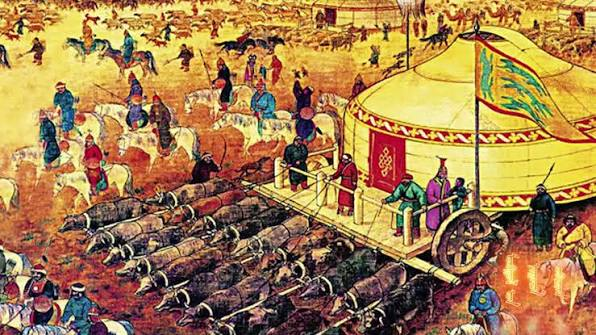
Beyond court intrigue, the text serves as a vivid encyclopedia of steppe life. It describes traditional ger construction, hunting techniques, seasonal migrations, clan alliances, and traditional dishes that nomads still practice across Mongolia today.
3. The Origins of Mongolian Values & Law
The Secret History highlights core nomadic virtues that define modern Mongolian culture:
- Fraternal Loyalty (And): Blood brotherhood sworn between non-relatives.
- Hospitality & Respect: The moral duty to shelter travelers and honor elders.
- Meritocracy: Rewarding talent and devotion over noble birth.
4. A Masterpiece of Epic Poetry
Written in alliterative verse, the original text reads like an epic song filled with vivid proverbs, metaphors, and rhythmic couplets meant to be recited aloud by nomadic bards.
Where to Experience the History in Mongolia Today
To walk in the footsteps of the prose written in The Secret History, travelers can visit key historical sites across central and eastern Mongolia:
- Burkhan Khaldun Mountain: The sacred UNESCO World Heritage mountain in Khentii province where Temüjin prayed for strength and hid from enemies.
- Karakorum (Harhorin): The ancient capital built by Ögedei Khan, surrounded by the stunning Orkhon Valley landscape.
- Chinggis Khaan National Museum in Ulaanbaatar: Features rare historical displays, reconstructed manuscripts, and artifacts from the Mongol Empire era.
- Delüün Boldog: Located in Dadal sum, Khentii province—celebrated as the legendary birthplace of Temüjin.
Trace the Footsteps of “The Secret History” with H&A Travel
At H&A Travel, history isn’t just something you read—it’s something you feel as you travel across the vast open steppes, stay in traditional gers, and hear epic stories around a campfire.
Our historical and cultural tour packages take you deep into the heartland of the ancient Mongol Empire, accompanied by expert local guides who bring the pages of The Secret History to life.