
Every July, the endless green steppes of Mongolia transform into a vibrant celebration of culture, athleticism, and national pride. This is Naadam—Mongolia’s largest and most famous festival, recognized by UNESCO as an Intangible Cultural Heritage of Humanity.
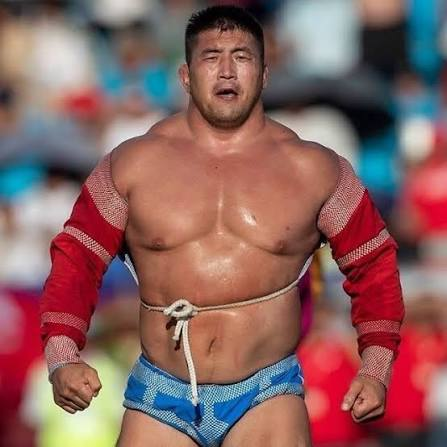
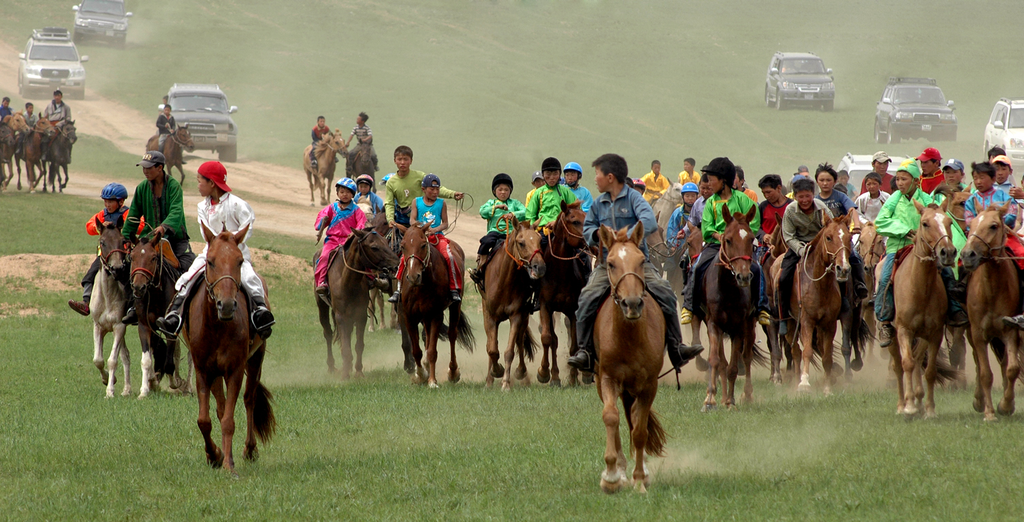
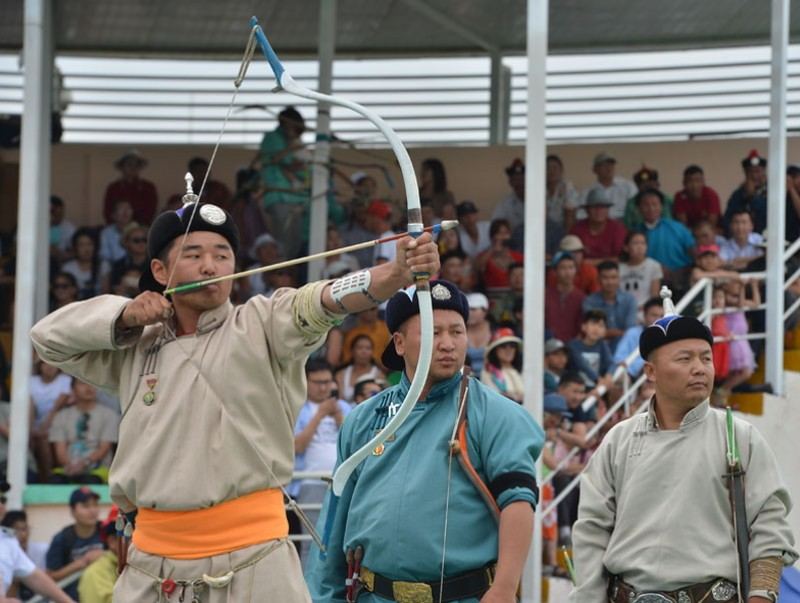
Known locally as “Eriin Gurvan Naadam” (The Three Manly Games), the festival features intense competitions in wrestling, horse racing, and archery (with anklebone shooting added in modern times).
To an outsider, Naadam looks like a colorful cultural holiday. But its origins lie deep in ancient military strategy. Centuries before it became a peaceful national celebration, Naadam was an essential military review and combat readiness test for nomad warriors.
Here is the fascinating history of how ancient warfare evolved into Mongolia’s ultimate summer festival—and how you can experience it today.
The Ancient Origins: Martial Arts of the Nomadic Steppe
The roots of Naadam stretch back thousands of years to the ancient Hunnu (Xiongnu) Empire and earlier nomadic confederations.
In a world where survival depended on mobility, bowmanship, and physical strength, every nomadic shepherd was also a frontline soldier. Great gatherings were organized before major military campaigns or during seasonal clan assemblies (Kurultai).
These gatherings served two strategic purposes:
- Physical Fitness & Combat Readiness: Testing soldiers in hand-to-hand combat, long-range archery, and high-speed equestrian maneuvers.
- Scouting & Recruitment: Identifying the strongest warriors, fastest horses, and most accurate marksmen to lead imperial vanguard units.
Genghis Khan and the Imperial Era
During the height of the Mongol Empire in the 13th century, Genghis Khan institutionalized these competitions to keep his troops in peak physical condition during periods of peace.
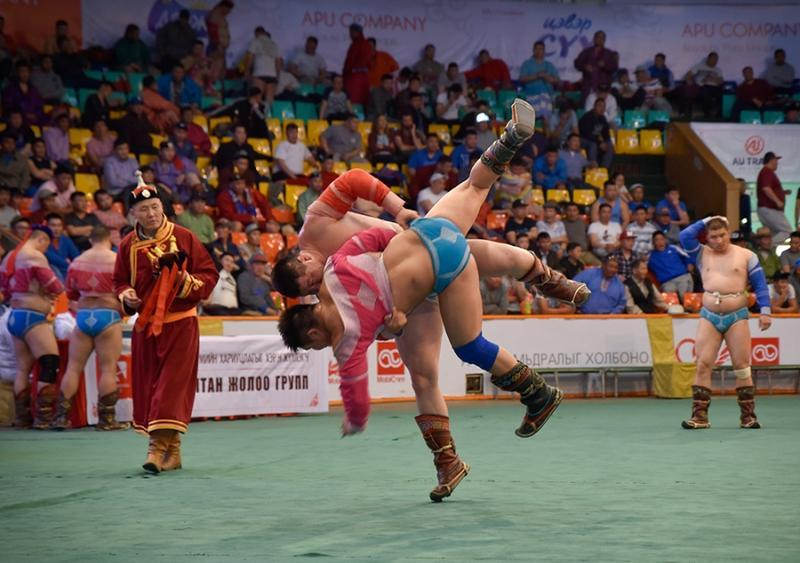
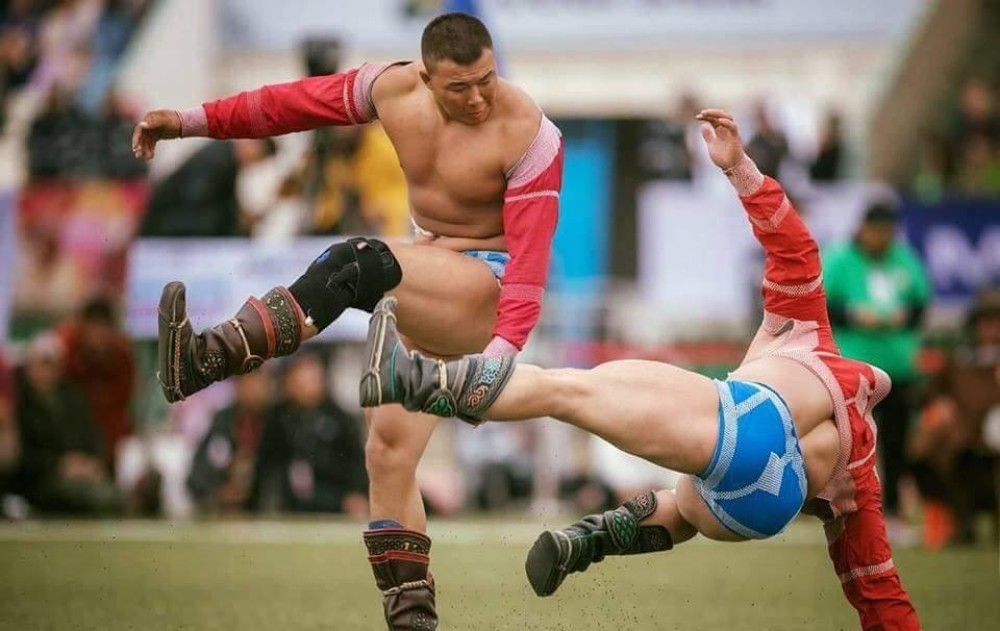
- Wrestling as Hand-to-Hand Combat: Mongolian wrestling (Bukh) taught warriors balance, leverage, and grappling tactics essential for knocking enemy riders off their horses.
- Archery on Horseback: Nomadic archers were famous for using powerful composite recurve bows while galloping at full speed. Archery contests tested distance, precision, and focus under pressure.
- Horse Racing across Open Steppe: Unlike short-track European racing, Mongolian horse races spanned distances of 15 to 30 kilometers (9 to 18 miles). This tested the endurance, stamina, and navigation skills required for long-distance military raids.
According to historical records like the Inscription of Chinggis Khaan (Stele of Yisüngge, c. 1224), an archer named Yisüngge shot a target from an astonishing distance of 335 fathoms (approx. 500 meters / 1,600 feet) during an imperial Naadam gathering!
The Evolution: From Sacred Ritual to Modern National Holiday
Over the centuries, Naadam underwent several major transformations:
- Religious Influences (17th–19th Century): With the spread of Tibetan Buddhism in Mongolia, Naadam was integrated with religious ceremonies, honoring local mountain spirits (Ovoo) and Buddhist deities (Danshig Naadam).
- The Revolution of 1921: Following the Mongolian People’s Revolution in 1921, Naadam was officially designated as the official state festival celebrating national independence and sovereignty.
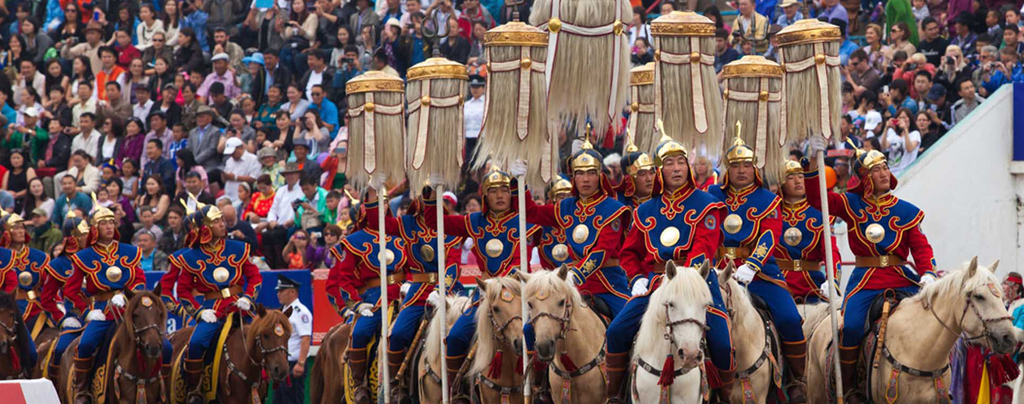
- Modern Naadam: Today, official State Naadam takes place every year from July 11th to 13th in Ulaanbaatar, while smaller, intimate countryside Naadams are celebrated in every province (Aimag) and sum across the nation.
The Three Manly Games Explained
| Mongolian Wrestling | Bukh | Single-elimination tournament with no weight classes and no time limits. Defeated wrestler touches the ground with elbow, knee, or back. |
| Horse Racing | Moriin Uraldaan | Long-distance cross-country races (10–26 km) ridden by young child jockeys aged 6 to 12. |
| Archery | Sur Kharvaa | Archers shoot at woven leather cylinder targets (sur) on the ground using traditional composite bows. Female archers compete alongside men. |
| Anklebone Shooting | Shagai Kharvaa | Teams flick polished sheep anklebones at tiny targets along a wooden structure while chanting traditional songs. |
Tips for Visiting Naadam Festival in Mongolia
If you are planning to travel to Mongolia during July, experiencing Naadam firsthand is an absolute must:
- Book Tickets Early: Tickets for the Opening Ceremony at the Central Stadium in Ulaanbaatar sell out quickly. Make sure your tour operator secures them in advance.
- Experience a Countryside Naadam: While the Ulaanbaatar festival is grand and spectacular, countryside Naadams in provincial towns offer closer access to wrestlers, archers, and nomadic families.
- Try Traditional Festival Foods: Don’t miss out on eating fresh Khuushuur (deep-fried meat pastries) and drinking cold Airag (fermented mare’s milk)—the official foods of Naadam!
Experience Naadam Festival with H&A Travel
Want to witness the spectacle of Naadam up close?
At H&A Travel, we offer exclusive, small-group Naadam Festival tour packages that combine tickets to the grand Opening Ceremony in Ulaanbaatar with authentic countryside visits, ger camp stays, and Gobi Desert expeditions.